Rambutan
 Author: Marko Balašević
Time for reading: ~3
minutes
Last Updated:
August 08, 2022
Author: Marko Balašević
Time for reading: ~3
minutes
Last Updated:
August 08, 2022
CHAPTERS (Table Of Contents)
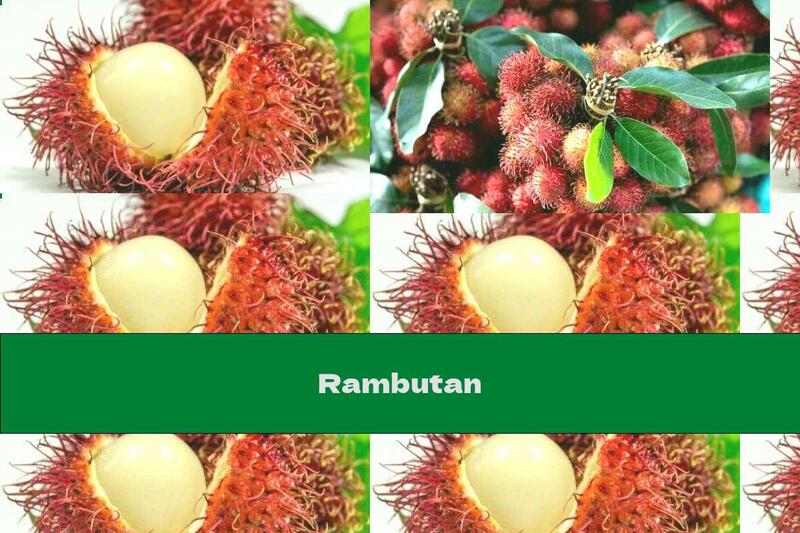
Rambutan (Nephelium lappaceum) is a medium-sized tropical fruit that is grown mainly in Southeast Asia. It resembles lychee and longan.
Rambutan (Nephelium lappaceum) is a medium-sized tropical fruit that is grown mainly in Indonesia, Malaysia, the Philippines, Sri Lanka and other countries in Southeast Asia.
The name of the fruit comes from the Malay word for hair "rambut", which literally means "hairy", precisely because it has a hairy red-green shell. In appearance, the fruit is often likened to a sea urchin.
Rambutan grows on a tree that can reach 27 meters in height if grown in tropical countries. The fruit is related to lychee and longan, with a similar appearance when peeled. Its translucent white inside has a soft and sweet taste, with seeds in the middle.
Health benefits
Rambutan is very nutritious and can provide many health benefits - from weight loss and better digestion to increased resistance to infections.
1. Rich in nutrients and antioxidants
Rambutan is rich in many vitamins, minerals and beneficial plant compounds. Its interior provides about 1.3-2 grams of fiber per 100 grams and only 75 calories. Like what you would get from the same amount of apples, oranges and pears.
It is rich in vitamin C - a powerful antioxidant that protects body cells from damage. It also helps in easier absorption of iron. Consumption of 5-6 rambutan fruits will satisfy 50% of the daily needs of vitamin C.
The fruit contains the chemical element honey, which plays an important role in the proper growth and maintenance of bone cells, brain and heart. It also contains small amounts of manganese, potassium, phosphorus, magnesium, zinc and iron.
2. Promotes digestionRambutan can contribute to healthy digestion because it contains insoluble and soluble fiber.
About half of the fiber in the fruit is insoluble. They pass through the intestines undigested, accelerating the movement of food. This leads to less likelihood of constipation.
The soluble fiber in the fruit provides food for the bacteria in the gut. These bacteria, in turn, produce short-chain fatty acids (acetate, propionate and butyrate) that feed the cells in the gut. These fatty acids can also reduce inflammation and improve the symptoms of intestinal disorders, such as irritable bowel syndrome, Crohn's disease and ulcerative colitis.
3. Helps to lose weightLike most fruits, rambutan can also prevent weight gain and promote weight loss due to its low calorie content - only 75 per 100 grams. It can satiate you for longer and reduce the likelihood of overeating.
Soluble fiber dissolves in water and forms a gel-like substance in the gut, which helps slow down digestion and absorption of nutrients. This helps to reduce appetite and give a feeling of fullness and satiety. The fruit has a large amount of water, which is good for hydrating the body.
4. Fights infectionsVitamin C, which is contained in the fruit, promotes the production of white blood cells, which the body needs to fight infections. If you take too little of this vitamin, the immune system weakens and the body becomes more susceptible to infections.
5. Other potential benefits- Reduces the risk of cancer: Several animal studies have found that compounds in rambutan can help prevent the growth and spread of cancer cells.
- Protects against heart disease: Animal studies have shown that extracts from the peel of the fruit reduce the levels of total cholesterol and triglycerides in mice with diabetes.
- Protects against diabetes: Animal studies show that rambutan bark extract can increase insulin sensitivity and reduce fasting blood sugar levels, as well as insulin resistance.
These three additional benefits are related to compounds found in the bark or seeds of rambutan. The effects have only been observed in animals, more human studies are needed to ensure these benefits.
How to eat rambutan
Rambutan can be purchased fresh, canned, in the form of juice or as jam. To make sure that the fruit is ripe, its color should be red. The more saturated the color, the more ripe the fruit.
Cut the rambutan in half, then squeeze to release its sweet translucent inside. It contains a large seed, which you remove with a knife. Peel a squash, grate it and squeeze the juice. You can use the fruit in salads, curry, pudding or ice cream.
Contraindications
The inside of rambutan is considered safe for human consumption. Its bark and seeds are fried and used for cooking mainly in Asian countries, while in Europe their consumption is avoided. Animal studies report that the bark can be toxic when taken regularly and in very large amounts.
It is believed that the intake of raw seeds has narcotic and analgesic effects that can cause symptoms such as drowsiness, coma and even more severe consequences, so it must undergo heat treatment. Roasting is the only known way to counteract the natural narcotic properties of raw seeds. There are no clear guidelines on how to properly bake to make it safe for human consumption.
Related Articles
Top Nutrition Articles Today
- . Foods Containing Carrageenan: A Comprehensive Guide for Your...
- . The Truth About Potato Chips: Health Effects and Alternative...
- . Foods For A Regular Stomach
- . Medicinal Drinks For Colds
- . The Nutritional Benefits of Figs: A Fiber-Rich Fruit Packed...
- . How To Cook Pork Liver And Mushrooms In Cream Sauce With Che...
- . List of Foods that Contain Carrageenan: A Guide to Avoiding...
- . Camel Meat
- . The Ultimate Guide to Creating a Well-Structured Diet Plan f...
- . Highest Calorie Foods In The World