Retinal Detachment
 Author: Karen Lennox
Time for reading: ~2
minutes
Last Updated:
August 08, 2022
Author: Karen Lennox
Time for reading: ~2
minutes
Last Updated:
August 08, 2022
CHAPTERS (Table Of Contents)
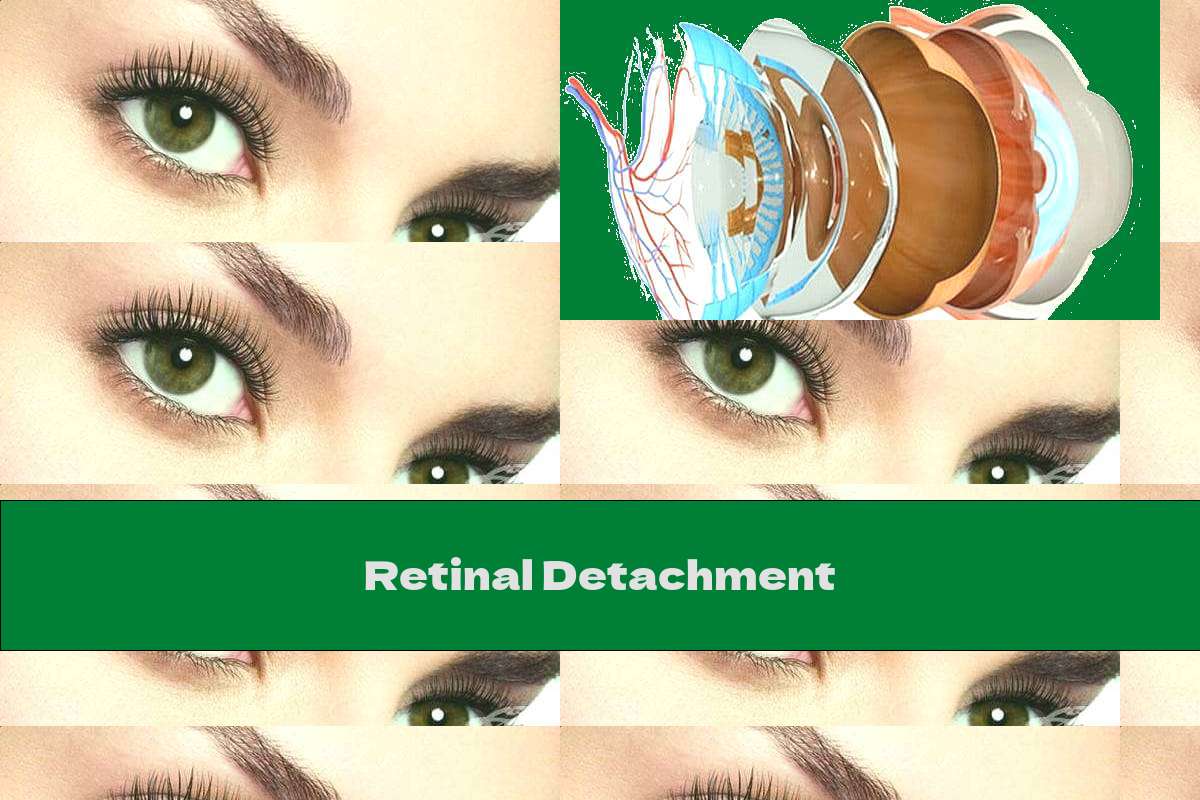
Retinal detachment is a pathological process in which the retina separates from the choroid (or the vascular lining of the eyeball). The symptoms of such a problem are: weakening of vision;
Retinal detachment is a pathological process in which the retina separates from the choroid (or the vascular lining of the eyeball).
The symptoms of such a problem are:
- vision loss;
- sudden loss of peripheral vision;
- blurred vision;
- blurring and deformation of images, objects, letters;
- reduction of the visual field.
Useful foods for retinal detachment
During the treatment of the disease and for prevention against its development, proper nutrition is necessary, as the connection between vision and the products we consume has been repeatedly proven by a number of scientists. Antioxidants should be taken to strengthen the retina, because this organ is very sensitive to the action and influence of free radicals. The strongest vitamins with antioxidant properties are those of groups E and C. In addition, the intake of carotenoids (in particular, lutein and zeaxanthin) and omega-3 fatty acids is important for a healthy retina . Therefore, it is good to consume foods such as:
- cereals, black, wholemeal bread, bran bread;
- fish (especially sea and fatty), lean meats, liver;
- all seafood;
- dairy products (preferably low or medium fat);
- vegetables (including leafy vegetables), herbs and spices: cabbage (red, white, broccoli, cauliflower, Brussels sprouts), carrots, beets, spinach, sweet and hot peppers, horseradish, garlic, parsley, dill, pumpkin, peas, parsnips, ginger, cloves;
- cereals (porridge): oats, buckwheat, wheat, pasta from dark flour;
- dried fruits and nuts: cashews, peanuts (which are legumes, among others), walnuts, almonds, champignons, dried apricots, raisins, dates, prunes;
- fresh fruits and berries (especially useful are citrus fruits, blueberries, blackcurrants, strawberries, blackberries, viburnum, sea buckthorn, rose hips, apricots, rowan, raspberries, hawthorn);
- fats and oils of vegetable origin.
People with such a health problem are better to eat often, but less. Separate meals are recommended. Eat at least 5 times a day.
Fluids should not be forgotten. Freshly squeezed juices, decoctions of rose hips and hawthorn, as well as stems and leaves of blackcurrant will benefit the retina. Take compotes of fresh, dried or frozen fruits (preferably not sweetened), green tea.
The treatment of the problem can only be with medical intervention, so the earlier it is detected, the better. In the early stages of retinal detachment, visual ability is restored in all cases and no complications occur. If the necessary measures are not taken in time, complete loss of vision is possible forever.
Dangerous and harmful foods in retinal detachment:
- too greasy, salty and sweet food;
- semi-finished products;
- canned food and sausages (except homemade);
- alcohol ;
- trans fats and products with artificial ingredients.
Smoking cessation is mandatory.