Scoliosis (lateral Curvature Of The Spine)
 Author: Mark Velov
Time for reading: ~3
minutes
Last Updated:
August 08, 2022
Author: Mark Velov
Time for reading: ~3
minutes
Last Updated:
August 08, 2022
CHAPTERS (Table Of Contents)
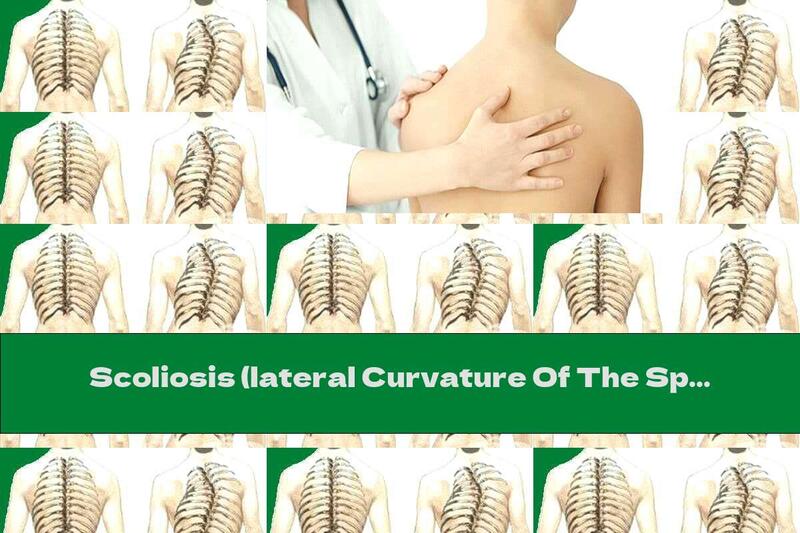
Scoliosis is a lateral curvature of the spine, which can lead to disruption of internal organs and systems. Nutrition emphasizes the intake of protein and healthy carbohydrates.
Scoliosis is a lateral curvature of the spine, which can lead to disruption of internal organs and systems. The disease can develop at any age, and men are more at risk.
To treat the problem, doctors recommend a range of methods, including massage, physiotherapy, physical therapy, aimed at healing the patient. Particular attention is paid to nutrition in order to achieve greater effectiveness of treatment.
Useful foods and substances
ProteinsIt is extremely important to take a sufficient amount of protein-rich foods, especially if the patient is a student. It is these substances that break down into amino acids in the body, affect its development and growth, charge it with energy. Sources of protein are: peanuts, beans, peas, sturgeon caviar, cottage cheese, tuna, salmon, chicken, rabbit, beef, turkey, lean lamb.
Fruits and vegetablesIt is obligatory to consume enough fruits and vegetables, because they contain a maximum of vitamins and useful microelements.
Cereals and pastaIt is useful to diversify the menu with porridge (rice, buckwheat, oats, barley, semolina, millet), also with pasta, as they are not only carbohydrates and give energy to the body, but also contain nutrients such as honey , boron, iron, magnesium and others.
SeafoodSeafood and seaweed are also good to eat because they contain phosphorus and polyunsaturated fatty acids, which strengthen the spine and improve the work of the intervertebral discs.
Dairy productsIt is good to take as much dairy products (cottage cheese, cheese), various nuts, legumes, oatmeal and barley, as they enrich the body with calcium, which plays an important role in bone formation.
Vitamin E.
Doctors recommend increasing the consumption of products rich in vitamin E, because they are not only antioxidants, but also involved in the formation of bone tissue. The vitamin is found in fish, nuts, dried fruits (prunes and apricots), spinach, buckthorn, sorrel, oatmeal.
Vitamin CIn scoliosis, it is very important to include in the menu sources of vitamin C (blackcurrant, rose hips, peppers, citrus fruits, kiwi, sea buckthorn, honeysuckle, various types of cabbage, strawberries. The benefit of the vitamin lies in its important role in the formation of bone tissue.
Vitamin DVitamin D is also important in the treatment of scoliosis because it is responsible for regulating the metabolism of calcium and phosphorus in the body and has a beneficial effect on bone growth. Contained in some fish (mackerel, salmon), chicken eggs, cream, butter.
Vitamin AThe use of products containing vitamin A helps to absorb calcium and phosphorus, necessary for the formation and strengthening of bones. Sources of the vitamin are: carrots, melons, sea buckthorn, apricots, yellow pumpkin, eggs, liver (animal and fish).
Vitamin BDuring this period, the body also needs B vitamins, which are especially useful B1, B2, B6 and B12. They not only participate in metabolic processes in the body, but also strengthen the collagen matrix of bones. Vitamins from the group are contained in legumes, spinach, wheat bread, buckwheat, animal liver, beef, lean pork, walnuts, potatoes, vegetable fats.
Valuable products in scoliosis
You should not eat a lot of fatty, smoked, sweet and pasta foods, because they all lead to obesity, as a result - additional strain on the spine.
Excessive use of salt and fats of animal origin has an adverse effect on joints and bones.
It is recommended to limit the intake of coffee and strong black tea - caffeine in them washes calcium from the bones.
Alcohol and smoking are contraindicated in scoliosis - they poison the body with toxins.
- Nutrition in osteochondrosis of the spine
- Nutrition in kyphoscoliosis
- How to "feed" the spine
Related Articles
Top Nutrition Articles Today
- . Which Foods Protect Against Cancer?
- . The Power of Mushrooms: Nutritional Benefits and Delicious R...
- . List of Foods that Contain Carrageenan: A Guide to Avoiding...
- . The Power of Ascorbic Acid: Importance, Sources, and Health...
- . Carbohydrates In Wheat And Rice
- . The Content Of Vitamins In Apples: Calories, Health Benefits...
- . Don't Eat These Foods If You Don't Want To Get Angry
- . How To Cook Roast Pork Ribs With Honey, Lemon And Ginger - R...
- . The Power of Beef Bones: Nutrition, Benefits, and Recipes
- . Chicory: 15 Health Benefits, How To Drink, Contraindications...