Smart Food Replenishment During COVID-19
 Author: Leticia Celentano
Time for reading: ~3
minutes
Last Updated:
August 08, 2022
Author: Leticia Celentano
Time for reading: ~3
minutes
Last Updated:
August 08, 2022
CHAPTERS (Table Of Contents)
Not only the shelf life but also the nutrients are important for the smart replenishment of goods during COVID-19.
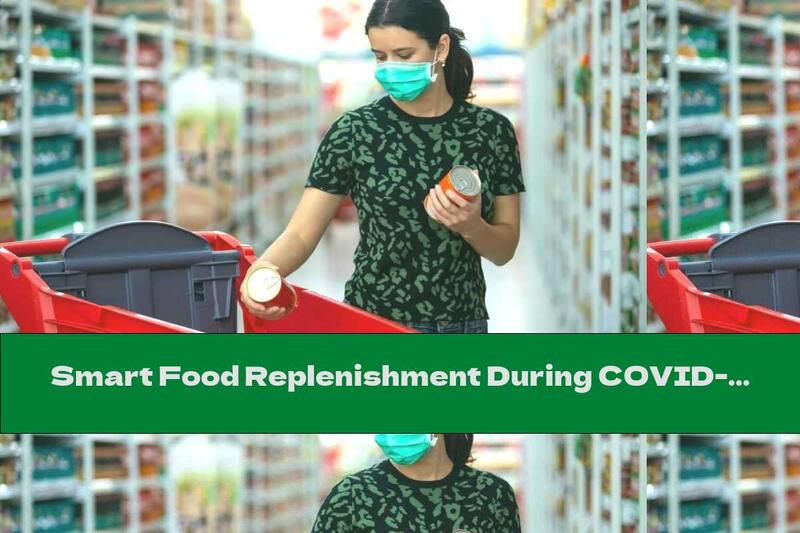
The state of emergency has been extended in many countries. In our country it remains in force until May 13, and this makes many people shop hard and stock up on food for a longer time. The fact that they will visit the store and contact less often with others makes them feel more secure and protected. In our quest to provide everything for a long time, however, we make mistakes that over time have an impact not only on the waist but also on the overall health of the body.
Therefore, when shopping in quantity, it is important to find a balance, so that the products are not only long-lasting, but also useful. Nutritionists have their secrets and tricks in this regard as well - for example, thick-skinned vegetables have a longer shelf life, and packaged foods that are high in sugar should be less than 10% of the total dietary intake. for the day.
Therefore, as tempting as another packet of cookies may seem, let it be clear that it will not help the immune system in any way. On the contrary - it will only burden her.
Where is the secret? In foods rich in antioxidants, fiber, protein and healthy fats to support the body's energy needs. Here are some suggestions:
Prunes
Prunes are a good source of fiber and have a shelf life of 1 year. Dried fruit without added sugar is not only a good source of fiber and promotes digestive health, but also has many other benefits. For example, pureed can be a substitute for sugar in various pastries.
And did you know that eating 5-6 prunes a day makes bones healthier?
Boils
Eating legumes such as chickpeas and beans three times a week is a great way to increase your intake of healthy protein. Legumes, including lentils, chickpeas, beans and dried peas, have an average of 8 grams of protein per half cup, which is twice as much as quinoa protein, for example.
This makes them one of the best sources of plant-based protein. These products also have a long shelf life and can be used as a main meal or added to various recipes such as salads, soups and even pastries.
Pumpkin
When looking for fruits and vegetables with a long shelf life, the best are those that have a thick rind. Like the winter gourd, which can last at least a few months on the kitchen counter.
Rice noodles and frozen vegetables
The package of white rice and flour are among the first products on the shopping list for a long time, but eating too many of the foods containing them can lead to unhealthy spikes in blood sugar levels.
The better options are on the stand with frozen products and rice pasta. The combination of the two is nutritious and useful.
Oat flakes
Whole grain oats can last more than a year in the cupboard if the package is not opened. The advantage is that in addition to the well-known oatmeal, it can be used as a useful ingredient in cookies, bread or even as a base for oatmeal.
It is well known that the greatest health benefits of oatmeal are fiber.
Canned salmon and tuna
Salmon and tuna are full of protein and will last a long time in the closet. In addition, appropriate quantities of lean meat, poultry and seafood can be purchased and stored in the freezer.
Coconut milk
Coconut milk can be used in a wide variety of dishes and can last a year. And his big trump card is that it can be used in everything from sweet to salty dishes.
Coconut milk is full of vitamin C, E and B vitamins. It has a strong antioxidant effect and brings the body an enviable amount of magnesium, potassium, phosphorus and iron.
Related Articles
- Nutrition for Respiratory Health: Supporting Your Lungs with the Right Foods
- The Ultimate Guide to High Gluten Foods: Benefits, Sources, and Recipes
- The Ultimate Guide to High Gluten Foods: Effects, Benefits, and Recipes
- The Ultimate Guide to Lactic Acid in Nutrition: Benefits, Food Sources, and Recipes
- The Nutritious World of Wendy's Salads: A Healthy Fast Food Option
Top Nutrition Articles Today
- . Steak Label
- . List of Foods that Contain Carrageenan: A Guide to Avoiding...
- . The Truth About Potato Chips: Health Effects and Alternative...
- . 10 Day No Sugar No Carb Diet
- . The Power of Chaga Mushroom in Nutrition: Benefits, Uses, an...
- . The Nutritional Value of Hickory Smoked Bacon - A Complete G...
- . Calories In 3 Strawberries
- . Can You Take A Bath When You Have A Cold?
- . Nutrition and Albinism: Managing the Condition Through Diet
- . The Power of Pear Puree: Nutrition, Health Benefits, and Rec...