Sorghum
 Author: Karen Lennox
Time for reading: ~3
minutes
Last Updated:
January 27, 2026
Author: Karen Lennox
Time for reading: ~3
minutes
Last Updated:
January 27, 2026
CHAPTERS (Table Of Contents)
In this article, learn more about Sorghum. Sorghum - types, use, composition, health benefits and contraindications..
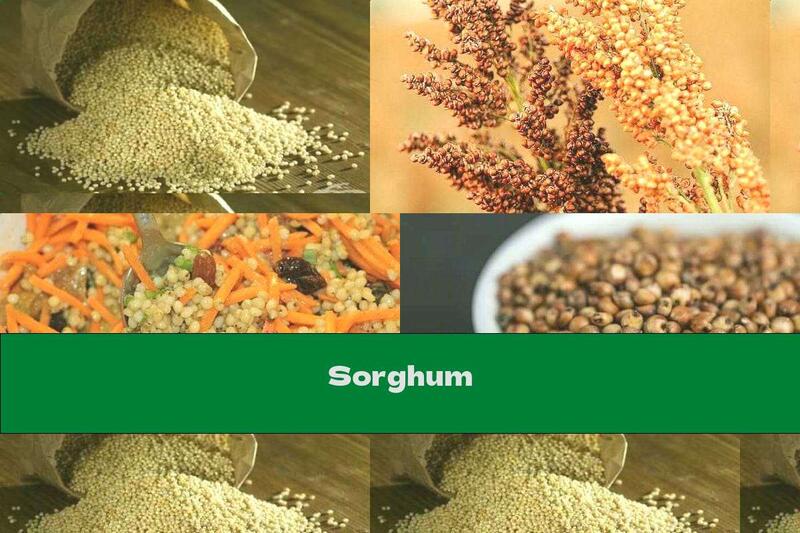
Sorghum is a cereal that is used for feed, in the manufacture of alcoholic beverages, biofuels, is used in cooking and cosmetics. There are dozens of plant varieties, most of which are wild, and there are many hybrids.
Some of the most common types are:
- sugar sorghum (sugar broom) - from the stems of the plant is made honeydew for various confectionery, syrup, honey;
- technical sorghum - used for making paper, brooms, knitwear;
- fodder sorghum - it has a juicy core and is good food for animals;
- lemon sorghum - used as a spice for meat, fish, vegetables and seafood; goes well with ginger, garlic, pepper; this variety produces valuable essential oil, which is used in the pharmaceutical, food and perfume industries.
Use in cooking
Sorghum has a neutral, in some cases sweet taste, which makes it a universal product for a wide range of culinary applications. Grains are most often used for the production of starch, flour, couscous, alcoholic beverages, baby food.
Sugar sorghum is also used to make jam, various drinks, such as yeast, mead, beer, vodka ...
Interestingly, this is the only plant whose juice contains about 20% sugar.
From cereals are obtained nutritious and delicious porridges, cakes, all kinds of confectionery, various soups and main dishes. It goes well with fresh vegetables, lime juice, mushrooms and lemon.
Sorghum does not contain gluten, so to make quality pastries it is often mixed with classic wheat flour.
In the diet the product is used to prepare useful and filling garnishes, porridges, added to salads. Long eliminates the feeling of hunger, enriches the body with minerals and vitamins.
Composition and useful substances
Sorghum contains unsaturated and saturated acids, mono- and disaccharides, a variety of vitamins (PP, B1, B5, B2, B6, A, H, choline). In terms of the presence of polyphenolic compounds, it is 12 times higher than the record in the face of bilberry (in 1 gram of sorghum there are about 62 milligrams of polyphenolic compounds, while in the fruit - 5 milligrams per 100 grams of product). The mineral composition is also rich and includes phosphorus, magnesium, potassium, calcium, sodium, iron, copper, silicon, aluminum and others.
It should be noted that the culture does not contain the important amino acid lysine, so it is recommended that the beans be combined with other sources of protein.
Healing properties
Sorghum is rich in carbohydrates and proteins, which determines its nutritional value. Thiamine favors brain and nerve functions, stimulates appetite and gastric secretion, improves heart muscle function. It also has a positive effect on growth, energy, ability to learn and is necessary for muscle tone. The vitamin acts as an antioxidant, protects the body from the destructive effects of aging.
Polyphenolic compounds, which are strong antioxidants, protect the body from negative environmental factors, from the action of tobacco and alcohol, slow down aging.
In addition, due to the presence of vitamin PP and biotin in the composition, the culture improves metabolic processes that break down fats and stimulates the production of fatty acids, steroid hormones and vitamins A and D. Sorghum also contributes to the formation of tryptophan niazine and protein synthesis.
The phosphorus in the composition actively supports the formation of the skeleton and provides the cells with the necessary phosphoric acid. It, in turn, is involved in the construction of many enzymes - the main drivers of cellular reactions.
Sorghum intake is indicated for people with diabetes because it helps regulate blood sugar levels and is involved in glucose synthesis.
The grains stimulate the production of hemoglobin and help erythrocytes to transport oxygen to the tissues of the human body.
The use of sorghum is recommended for diseases of the gastrointestinal tract, various nervous disorders, problems with the skin and mucous membranes. It is useful for the product to be part of the menu of the elderly, children, pregnant and lactating women. It is a prophylactic against the development of heart attack and stroke, rejuvenates. It is suitable for consumption by people suffering from celiac disease (gluten intolerance), as it does not contain gluten, as mentioned above.
Infusion of the rhizomes of the plant is effective in neuralgia, gout, rheumatism. The nipple extract is considered an excellent diuretic, eliminates swelling.
Use in cosmetics
Lemongrass essential oil is used in the manufacture of perfumes. Added to cosmetics, it helps to improve the structure of the skin, rejuvenates and tones.
Harm and contraindications
Sorghum beans are not only suitable for use in case of individual intolerance to the product.
Top Nutrition Articles Today
- . The Role of Silica in Vitamins: Benefits, Sources, and Recom...
- . Fructose In Strawberries
- . Sea Buckthorn: Health Benefits And Harms
- . The Nutritional Benefits of Eggs: A Complete Guide
- . One Meal a Day Menu: Benefits, Meal Planning, and Sample Men...
- . Nutrition In Hyperopia (farsightedness)
- . List of Foods that Contain Carrageenan: A Guide to Avoiding...
- . Nutrition Guide for Thyroidectomy Patients: Tips for a Healt...
- . The Ultimate Guide to Chicken Nutrition: Importance, Benefit...
- . How To Whip Sour Cream With Sugar