Strawberries - In Which Diseases Are They Useful?
 Author: Marko Balašević
Time for reading: ~2
minutes
Last Updated:
August 08, 2022
Author: Marko Balašević
Time for reading: ~2
minutes
Last Updated:
August 08, 2022
CHAPTERS (Table Of Contents)
In this article, learn more about Strawberries - In Which Diseases Are They Useful?. Strawberries are one of the freshest fruits we eat in the summer.
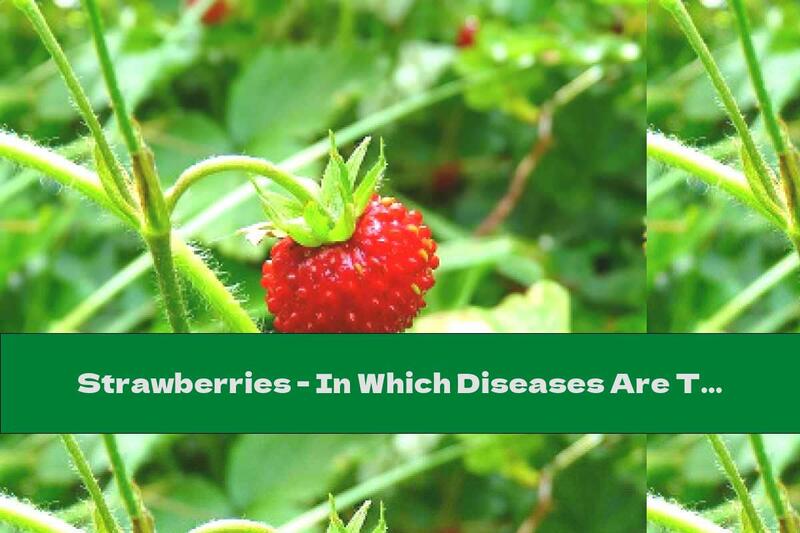
Strawberries are one of the freshest fruits we eat in the summer. It turns out that there are nearly 600 different types of strawberries in the world, such as wild strawberries in the Top 10 fruits and vegetables that contain large amounts of antioxidants.
Red fruit, a favorite of young and old, has a number of health benefits. Among the most popular are that their consumption reduces the risk of developing cardiovascular problems, cancer and diabetes. Strawberries improve the quality of the skin and hair, charge us with energy and at the same time help to reduce excess weight.
Here are the conditions in which strawberries are most useful and why:
Heart failure
A study from Harvard University shows that consumption of anthocyanins (one of the flavonoids in strawberries) can reduce the risk of developing a heart attack by 32% in young and middle-aged women. Those who eat wild strawberries and blueberries every week are healthier, scientists say.
Vitamin C, potassium, folic acid and fiber are just some of the beneficial ingredients in strawberries. A glass full of fresh strawberries contains 160% of the body's daily need for vitamin C, which is "packaged" in only 50 calories.
The flavonoid kercetin, which is also part of the valuable substances of strawberries, is a natural anti-inflammatory agent that reduces the risk of atherosclerosis. It also has a positive effect on cancer cells, another study shows. The large amount of polyflenol helps fight cardiovascular disease by controlling blood pressure through an anti-inflammatory mechanism. Potassium and fiber in red fruit keep the heart healthy.
Crab
Strawberries contain powerful antioxidants that act as free radicals that reduce tumor growth and have anti-inflammatory effects.
Blood Pressure
Due to the high content of potassium in strawberries, they are recommended for consumption by people with high blood pressure and fight the negative effects of sodium on the body. Potassium deficiency in the body increases the risk of developing high blood pressure.
Constipation
Foods that are richer in water and fiber normalize the intestinal flora and improve metabolism. Strawberries, lemons and grapes help with constipation.
Allergies and asthma
Quercetin in strawberries has a strong anti-inflammatory effect, so these fruits are useful as an alternative treatment for various allergy symptoms, including runny nose, watery eyes and others. Several studies have shown that substances contained in strawberries help with asthma.
Related Articles
- The Nutritional Value of Potato Chips: How They Fit Into a Healthy Diet
- The Nutritional Value of Potato Chips: Are They a Healthy Snack Choice?
- The Nutritional Value of Potato Chips: Are They a Healthy Snack Choice?
- The Nutritional Value of Potato Chips: Are They a Healthy Snack Option?
- The Nutritional Value of Potato Chips: Are They a Healthy Snack Choice?
Top Nutrition Articles Today
- . The Importance of Carotene in Nutrition: A Complete Guide
- . The Ultimate Guide to Lean Meat in Nutrition: Benefits, Type...
- . The Truth About Potato Chips: Health Effects and Alternative...
- . Camel Meat
- . The Role of Water in Nutrition: Importance and Benefits
- . 7 Foods For Bigger And Firmer Breasts
- . Highest Calorie Foods In The World
- . List of Foods that Contain Carrageenan: A Guide to Avoiding...
- . The Role of e633 in Nutrition: Enhancing Flavor in Food Prod...
- . E551: The Food Additive You Should Know About