Sunflower Seeds - Useful And Harmful Properties
 Author: Victoria Aly
Time for reading: ~6
minutes
Last Updated:
August 08, 2022
Author: Victoria Aly
Time for reading: ~6
minutes
Last Updated:
August 08, 2022
CHAPTERS (Table Of Contents)
Sunflower seeds are a rich source of vitamins A, D, E and group B, useful unsaturated fatty acids, proteins, antioxidants, minerals and other important substances for human health.
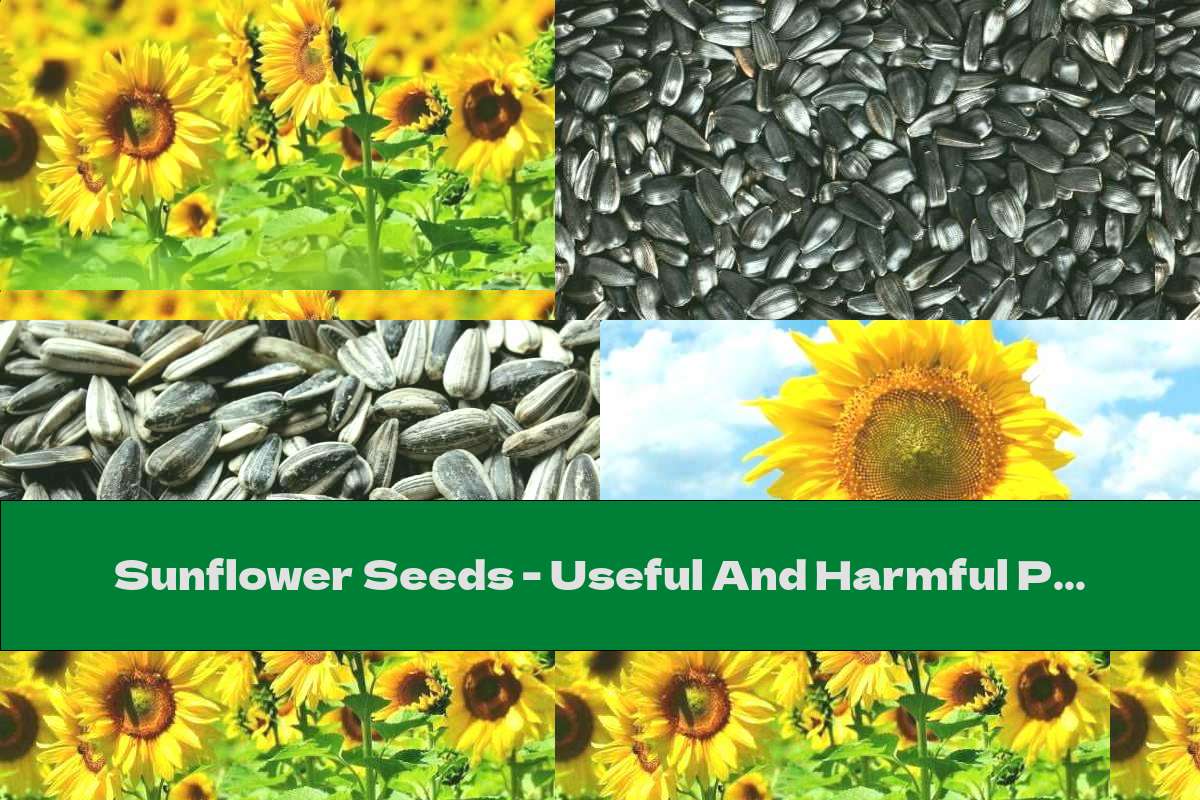
Sunflower seeds are the fruits of the sunflower plant. There are two main types of sunflower crops. One species is grown for eating and the other for producing sunflower oil. The seeds of the plant are covered with inedible black and white striped shells.
The seeds used to extract sunflower oil have hard black shells. Their taste is soft nutty and the texture hard but tender. They are often baked to improve their taste. Both raw and baked can be purchased.
Sunflower seeds are added to multigrain breads and desserts, and are taken as a snack. They are a rich source of healthy fats, useful plant compounds, vitamins and minerals. These nutrients play an important role in reducing the risk of health problems, including heart disease and type 2 diabetes.
Nutritional composition of sunflower seeds
Sunflower seeds are an exceptional product. Its biological value is higher than that of eggs and meat. It is processed and assimilated very easily. The presence of vitamin D in it is greater than in the liver of cod, which has always been considered the richest source of this vitamin. The substances contained in the seeds improve the condition of the skin and mucous membranes, normalize the pH balance - this is the reason why the product is widely used in cosmetics.
Sunflower stores many nutrients in one small seed. In 1/4 bowl or 30 grams of peeled and roasted seeds contain:
- 163 calories;
- 14 grams of fat;
- 2.7 grams of monounsaturated fatty acids;
- 5.5 grams of protein;
- 6.5 grams of carbohydrates;
- 3 grams of fiber.
Vitamins:
- vitamin E - 37% of the daily requirement (DP *);
- niacin (PP) - 10% of (DP *);
- vitamin B6 - 11% of (DP *);
- folic acid (B9) - 17% of (DP *);
- pantothenic acid (B5) - 20% (DP *).
Minerals :
- iron - 6% of (DP *);
- magnesium - 9% of (DP *);
- zinc - 10% of (DP *);
- honey - 26% of (DP *);
- manganese - 30% of (DP *);
- selenium - 32% of (DP *).
Seed protein contains many essential amino acids that ensure normal fat metabolism in the body.
Fatty acids in sunflower seedsSunflower seeds also contain a large amount of unsaturated fatty acids: linoleic, palmitic, oleic, stearic, arachidonic and others. Some of these substances, called vitamin F, are not synthesized in the body, but are needed for its normal functioning, even more than other vitamins. Without unsaturated fatty acids, cell membranes and nerve fibers will be even more vulnerable and begin to break down sooner; will accumulate excess cholesterol, which is a prerequisite for the development of atherosclerosis, myocardial infarction.
Vitamins and antioxidants in sunflower seedsSunflower seeds are rich in fat-soluble vitamins A, E and D, as well as water-soluble B vitamins. The content of vitamin E is so high that 50 grams of nuts are enough to get the necessary daily dose of it for the body of an adult. . Vitamin E and selenium in seeds function as antioxidants to protect the body's cells from free radical damage, which is responsible for the development of some chronic diseases. This vitamin and powerful antioxidant has a pronounced anticancer effect, prevents the development of atherosclerosis, protects against various radiation (including computer). In addition, seeds are a good source of beneficial plant compounds, including phenolic acids and flavonoids, which also function as antioxidants. They also contain tannins,
Vitamin D is necessary for bone development and growth, it is extremely important for children and adolescents. Vitamin A takes care of our vision, the beauty of our skin, hair and nails.
Useful properties of sunflower seeds
Sunflower seeds are useful in heart and liver disease
Specialists and nutritionists often recommend the use of these nuts as a prevention and treatment of various diseases. Daily intake of 100 grams of them protects against cardiovascular disease, relieves liver disease. Sunflower seeds are useful for athletes and people who are subjected to heavy physical labor, as they strengthen the muscular system. Raw seeds help in the recovery and healing of tissues after severe infectious diseases, injuries and fractures.
Sunflower oil is prepared from purified seeds, which is characterized by many useful properties: it can be used for the treatment and prevention of thrombophlebitis, diseases of the gastrointestinal tract and lungs, in toothache, for cosmetic purposes.
Improves the condition of appearanceSunflower seeds contain a lot of zinc, which participates in the work of the thymus and has a beneficial effect on the hair (it becomes healthy and shiny). Adolescents who like to eat raw seeds are protected from the appearance of pimples and blackheads on the face; obese sufferers get rid of excess cholesterol with the help of this product, even when special diets do not work.
Normalizes blood pressureDecoction of the seeds helps with bronchitis, stops coughing. From immature seeds is prepared medicine, which is used to normalize blood pressure and prevent atherosclerosis. These nuts protect against depression and fight anxiety.
Risks and contraindications from the consumption of sunflower seeds
High salt content
The shells of roasted sunflower seeds are covered with more than 2500 mg of sodium, which is 108% of the daily requirement of 1/4 cup (30 grams of seeds). As most people consume much larger amounts, this drastically increases the sodium intake for the day and can harm a person's health. Therefore, seeds with salt should be avoided.
Kidney damageAnother reason why seeds should be eaten in moderation is the cadmium content. This heavy metal can damage the kidneys if taken in large amounts over a long period of time. Sunflowers tend to take cadmium from the soil and transfer it to the seeds.
The WHO recommends 490 micrograms of cadmium per 70 kilograms. At 255 grams of sunflower seeds per week for one year, the average intake of cadmium increases from 65 mcg to 175 mcg per week. This means that the levels of cadmium in the blood do not increase and the kidneys are not damaged. Therefore, it would not lead to health problems when consuming reasonable amounts of sunflower seeds (30 grams per day), but you should not overdo it.
Seed contaminationThe seeds can be contaminated with harmful bacteria such as salmonella, which are able to grow in warm and humid conditions. This is particularly disturbing for raw sprouted sunflower seeds, which may not have been treated at temperatures above 48 degrees. Drying the seeds at higher temperatures helps kill harmful bacteria.
Constipation, abdominal pain and nauseaEating large amounts of sunflower seeds at once can lead to constipation in both children and adults. Consuming them with the shell can increase the chances of fecal exposure, as there is a risk of swallowing fragments of the shell that the body cannot absorb. Other symptoms besides constipation are abdominal pain and nausea.
Allergy to sunflower seedsAlthough allergy to sunflower seeds is relatively rare, it does exist. Her reactions may include asthma, swelling of the mouth, itchy mouth, hay fever, skin rash, lesions, vomiting and anaphylaxis.
Allergens are various proteins in seeds. Sunflower seed oil, as well as roasted ground seeds, can be just as allergenic as whole seeds. Refined sunflower oil is very unlikely to contain sufficient amounts of allergenic proteins, but there have been reports of highly sensitive people experiencing allergic reactions to it.
Seed allergies are more common in people exposed to direct contact with the plant or its seeds as part of their job. These people are sunflower farmers and those who raise animals. Feeding poultry with sunflower seeds can release these allergens into the air. Young children may be more sensitive to semen and may have an allergic and skin reaction.
Some people develop an allergy to touching sunflower seeds when making yeast and seed bread, which causes a reaction such as itchy and inflamed hands.
- Hemp seed
- Sunflower honey
- Sunflower halva
- Sunflower oil - types, composition, benefits and storage
Related Articles
- The Role of Sodium Methyl Para-Hydroxybenzoate in Nutrition: Preservative Properties & Health Concerns
- The Ultimate Guide to Hemp Seeds: Nutrition, Recipes, and More
- The Role of Functional Properties in Muffins: Nutrition, Diets, and Recipes
- The Functional Properties of Muffins in Nutrition: A Comprehensive Guide
- Nutritional Benefits of Functional Properties in Muffins: A Comprehensive Guide