The Best Foods Containing Collagen
 Author: Maryam Ayres
Time for reading: ~4
minutes
Last Updated:
August 08, 2022
Author: Maryam Ayres
Time for reading: ~4
minutes
Last Updated:
August 08, 2022
CHAPTERS (Table Of Contents)
Collagen is a basic protein that takes care of the health of the skin and connective tissue. Here are the foods you can use to help produce it.
The effects of collagen on health are increasingly being mentioned in conversations about healthy eating . Although supplements are the easiest way to get it, the best source remains food. After all, nature has made sure that we have an abundance of everything around us, as long as we look for it. The bad thing is that most people do not get enough collagen, which directly affects their health.
Why should we take collagen?
Collagen is an important protein that should be abundant in our body. It provides skin elasticity, slows down the signs of aging and maintains joint health, which you know is a serious problem exacerbated over the years.
With age, the production of collagen in the body decreases and wrinkles and joint pain appear imperceptibly. After the age of 25, we start to lose about 1.5% of collagen per year, and by the age of 40, it has already decreased by 25%, over 60 by 50%. Therefore, it is very important to find ways to add it to prevent various unpleasant effects of aging, and not only against aging, but also to maintain good shape and strength of connective tissue. There are a number of factors that interfere with collagen synthesis, such as smoking, excessive sun exposure and a nutrient-poor diet.
Fortunately, it is not difficult to get the collagen your body needs. Supplements are a quick and very easy source through which we can increase the levels of this protein, but we can also enrich our diet and make the intake much tastier and more enjoyable.
Some studies show that the addition of collagen (whether from supplements or foods) improves various conditions:
- supports intestinal health;
- reduces joint pain;
- reduces hair loss;
- improves skin elasticity;
- increases muscle mass;
- prevents bone loss;
- improves heart health.
If you are already convinced of the benefits of collagen, it's time to see which foods will help you get it in the easiest way.
Foods rich in collagen
Some foods contain ready-made collagen or amino acids that are involved in its production.
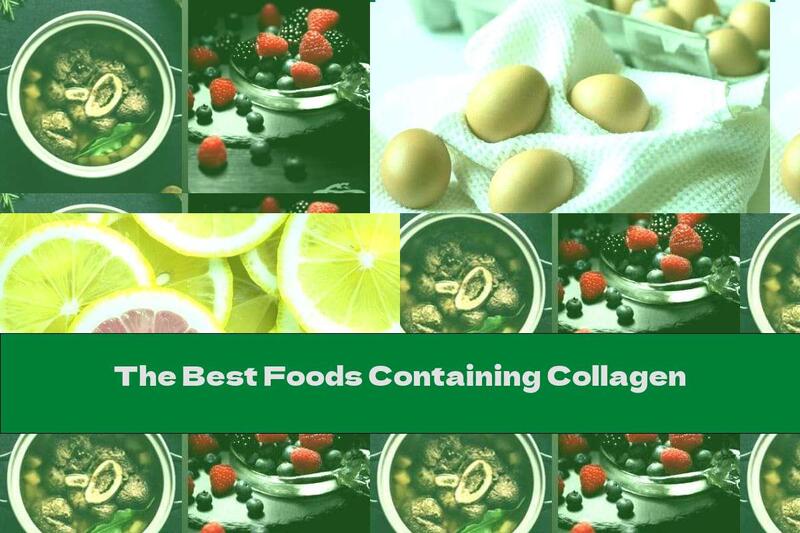
1. Bone brothWe can't help but put it first. Surely from the title of the article you understood that he will be present in the list. Bone broth is prepared by cooking bones with tendons, which makes it an extremely rich source of collagen, adding to it many important amino acids.
2. SpirulinaThis type of algae is an exceptional source of amino acids such as glycine, which is a key component of collagen. Spirulina can be found dried in most pharmacies and can be added to smoothies, desserts and juices.
3. Cod fishLike other fish, white fish is full of amino acids such as glycine and proline. It is also high in some important nutrients, such as selenium, vitamin B6 and phosphorus.
4 eggsThis is probably the cheapest and most affordable quality food you can consume. Eggs contain amino acids, including glycine and proline, which are involved in the formation of collagen. Eat a whole egg instead of just egg whites to get a full set of nutrients, healthy fats and high quality protein.
5. GelatinGelatin is a type of protein derived from collagen, which is why it is considered one of the richest foods in collagen. It can be used for cooking, as an additive in dishes, broths, and to increase the nutritional value of food. Gelatin supplements are also common.
Foods that support collagen production
In addition to eating foods rich in collagen, you can stimulate its production in the body by including some products that contain various vitamins and minerals that help build collagen.
1. Green leafy vegetablesThey are rich in vitamin C. Such vegetables are spinach, kale, arugula and are some of the best foods that promote collagen synthesis in the body. The benefits of vitamin C are not one and two. As you know, it has a strong antioxidant effect, which also fights the damage caused by free radicals, but it is also necessary for the production of type 1 collagen, which is the most common form of collagen in the body.
2. Pumpkin seedsPumpkin seeds are extremely nutritious, they provide some of the best nutrients that stimulate collagen. Pumpkin seeds contain 19% of your daily zinc needs for each serving, and it is an important mineral for collagen synthesis. Zinc also supports immunity and accelerates wound healing and cell growth.
3. BerriesStrawberries are considered one of the best stimulants for building collagen because they contain elaginic acid - it is a type of antioxidant that prevents the breakdown of collagen. Other sources of this antioxidant are all kinds of berries, such as blueberries, blackberries, raspberries.
4. Citrus fruitsCitruses, such as lemon, lime, oranges, grapefruit, are very rich in nutrients. These fruits are high in vitamin C, which we have already mentioned has an extremely important role in the production of collagen. Another plus of citrus fruits are antioxidants, fiber and various trace elements that support overall health.
5. GarlicGarlic is rich in sulfur, which is thought to significantly increase collagen synthesis. It is hardly necessary to list the dishes in which you can add garlic. As long as you love its taste, you can make it an integral part of your daily menu.
Try to include at least 2-3 of the foods that boost collagen production daily to help your body synthesize the beneficial protein.
Related Articles
- Nutrition for Respiratory Health: Supporting Your Lungs with the Right Foods
- The Ultimate Guide to High Gluten Foods: Benefits, Sources, and Recipes
- The Ultimate Guide to High Gluten Foods: Effects, Benefits, and Recipes
- Nutrition and Libido: Enhance Your Sex Drive with the Right Foods
- Understanding E+631 in Nutrition: Health Implications, Common Foods, and Alternatives
Top Nutrition Articles Today
- . Steak Label
- . The Truth About Potato Chips: Health Effects and Alternative...
- . List of Foods that Contain Carrageenan: A Guide to Avoiding...
- . 10 Day No Sugar No Carb Diet
- . The Power of Chaga Mushroom in Nutrition: Benefits, Uses, an...
- . Calories In 3 Strawberries
- . Can You Take A Bath When You Have A Cold?
- . The Nutritional Value of Hickory Smoked Bacon - A Complete G...
- . The Power of Pear Puree: Nutrition, Health Benefits, and Rec...
- . Sea Buckthorn: Health Benefits And Harms