Phosphates Topic - Related Articles

E 340: Functions, Foods, Health Concerns, and Alternatives
Learn about E 340, a food additive used in the food industry. Discover its functions, common foods containing E 340, health concerns, and alternatives.
Read more →
The Role of E450 in Nutrition: Health Implications and Alternatives
Explore the role of E450 in nutrition, its health implications, and how to identify and reduce your intake of this food additive.
Read more →
The Complete Guide to E340i in Nutrition: Benefits, Concerns, and Recipes
Explore the role of E340i in nutrition, its benefits, concerns, food sources, and recipes. Learn how to incorporate E340i into your diet.
Read more →
Understanding E450i: Uses, Effects, and How to Limit in Your Diet
Learn about E450i, a common food additive used in processed foods. Discover its effects on health and how to limit it in your diet.
Read more →
E 340: Functions, Foods, Health Concerns, and Alternatives
Learn about E 340, a food additive commonly used in the food industry for various purposes. Discover its functions, common foods containing E 340, health concerns, and natural alternatives.
Read more →
The Complete Guide to E 340 in Nutrition: Benefits, Risks, and Common Foods
Learn about the role of E 340 in nutrition, its benefits, risks, and common foods containing this food additive.
Read more →
E340 - Potassium Phosphates
Characteristics: The food additive E 340 is used as a stabilizer, swelling agent, humidifier, acidity regulator. It is a white crystalline or granular powder; it can also be colorless
Read more →
E343 - Magnesium Phosphates
Characteristic: The food additive E 343 is an odorless white crystalline powder, obtained by the reaction of phosphoric acid with magnesium carbonates and hydroxides. His allowable living room
Read more →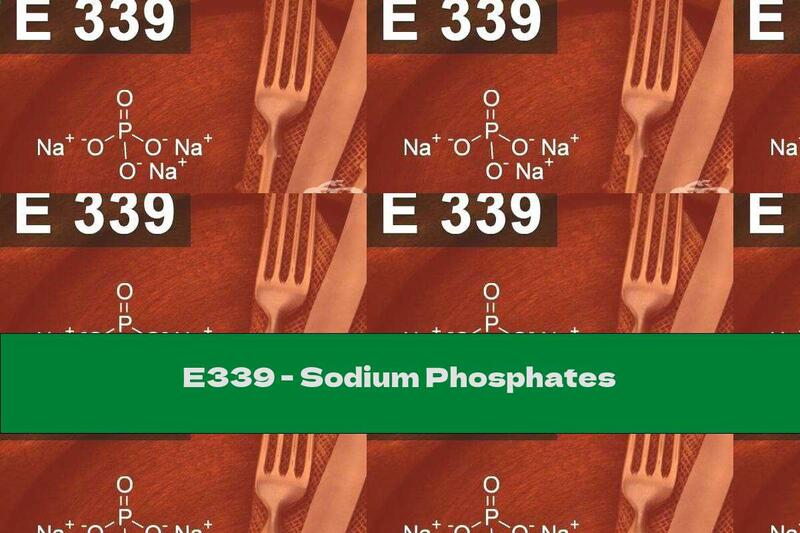
E339 - Sodium Phosphates
Characteristics: Sodium phosphates are an antioxidant, sodium salts of phosphoric acid. Protects products from tanning, preserves their color during heat treatment, gives them a soft and gentle structure
Read more →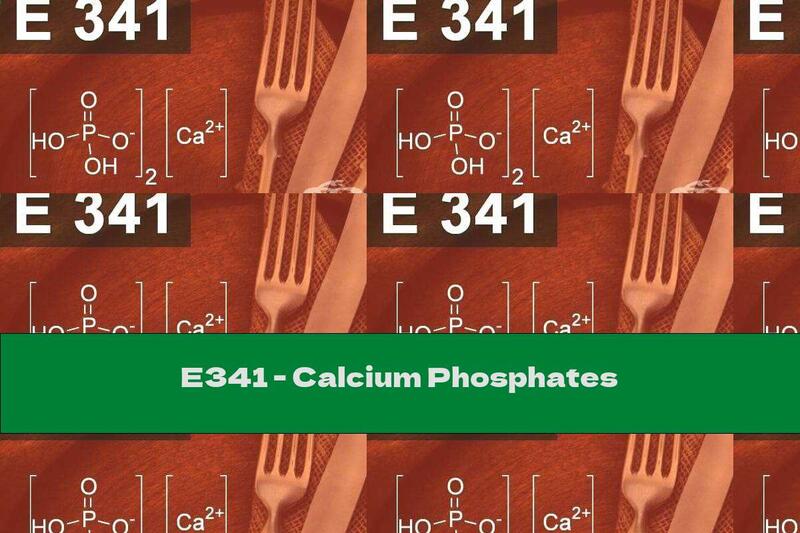
E341 - Calcium Phosphates
Characteristics: Food additive E 341 is an amorphous white powder that does not dissolve in water, but is well soluble in acids. With increasing temperature, phosphates (unlike other substances)
Read more →Top Nutrition Articles Today
- . Dishes From Neighboring Countries That We Love: Potato Panca...
- . The Ultimate Guide to Vitamin E in Nutrition: Sources, Benef...
- . What To Cook With Sweet Potato
- . Foods High In Folate And B12
- . Chicory: 15 Health Benefits, How To Drink, Contraindications...
- . The Essential Role of Copper (Cu) in Nutrition: Sources, Ben...
- . The Role of Samarium in Nutrition: Benefits and Food Sources
- . Nutritional Benefits of Pizza: Key Nutrients, Healthier Opti...
- . The Delicious and Nutritious World of Minibrownies: A Guide...
- . Nutritional Benefits of Sheep Tallow: A Healthy Addition to...