We Eat Greasy At Lunch Because We Haven't Had Breakfast
 Author: Nia Rouseberg
Time for reading: ~1
minutes
Last Updated:
August 08, 2022
Author: Nia Rouseberg
Time for reading: ~1
minutes
Last Updated:
August 08, 2022
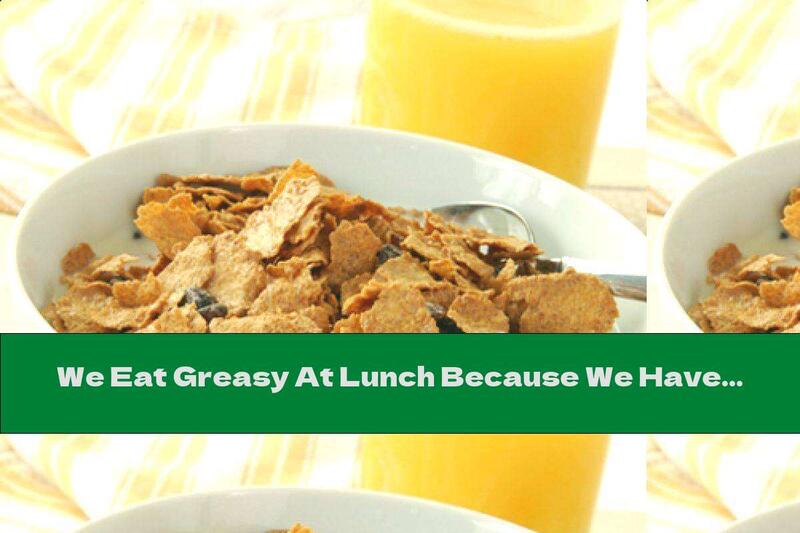
Breakfast is a very important meal - it can either make or break your blood sugar.
A brain scan shows that skipping breakfast awakens a craving for fatty, high-calorie foods later in the day.
The study involved 21 people with good physique. Volunteers were shown high-calorie foods while researchers scanned their brain activity using magnetic resonance imaging (MRI).
On the first day of the study, the volunteers were not given breakfast food, and on the second day, the participants had breakfast one hour before the start of the study.
After completing the photo display and scan , the researchers offered participants high-calorie food.. Volunteers who did not eat breakfast consumed much larger amounts than those for whom this was the second meal of the day.
The results show that participants who missed breakfast had increased brain activity in the brain department responsible for the desire for caloric, fatty and unhealthy foods.
One of the reasons for the difficult weight loss in skipping breakfast is the desire for more fatty and high-calorie foods at lunch and dinner.
Breakfast is a very important meal - it can either make or break your day. It is associated with maintaining normal blood sugar levels .
Experts recommend to meet the dietary regimeor a desire to reduce body circumference to reduce any other of the meals of the day but not breakfast.
The results of the study were presented at the annual Neuroscience conference .
Top Nutrition Articles Today
- . Steak Label
- . Hydrochloric Acid in Nutrition: Importance, Effects, and Sup...
- . Breastfeeding A Baby With Low Blood Sugar
- . Eating 5 Meals A Day
- . The Role of Carbohydrates and Lipids in Nutrition: Importanc...
- . List of Foods that Contain Carrageenan: A Guide to Avoiding...
- . The Truth About Potato Chips: Health Effects and Alternative...
- . Nutrition In Urethritis (inflamed Urethra / Urethra)
- . Diet After Pancreatic Surgery
- . Optimizing Nutrition with Freestyle Libre: Benefits, Meal Pl...