Which Cheeses Are Allowed For Lactose Intolerance?
 Author: Marko Balašević
Time for reading: ~1
minutes
Last Updated:
August 08, 2022
Author: Marko Balašević
Time for reading: ~1
minutes
Last Updated:
August 08, 2022
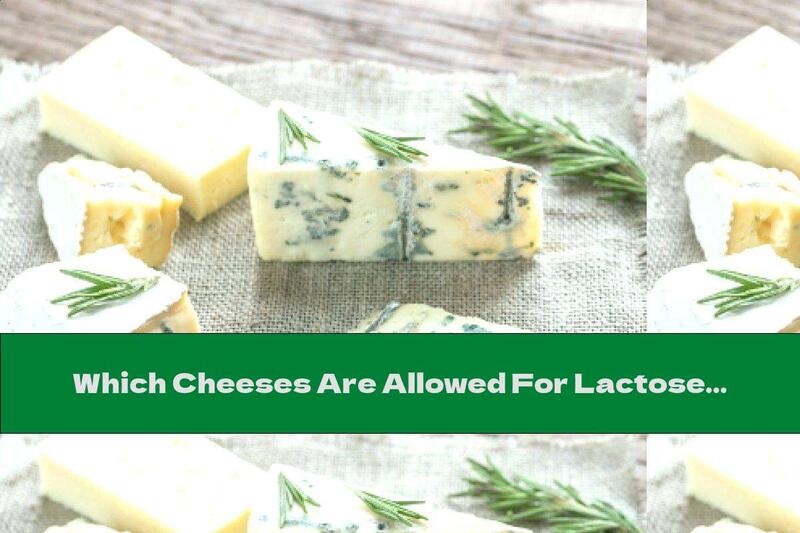
Bacteria in cheese break down milk sugar, lactose, and make some dairy products safe for consumption in lactose intolerance.
Most people are not aware that the presence of lactose intolerance does not necessitate avoiding all dairy products.
Also known as lactose intolerance , this dietary abnormality leads to an inability to normally metabolize lactose , a type of sugar in dairy products. The most common cause of intolerance is an insufficient amount of an enzyme called lactase present in the small intestine . Without it, it is impossible to break down lactose into glucose and galactose.
If there is intolerance, eating foods containing lactose leads to abdominal pain, bloating, gas, diarrhea, nausea and more.
For these reasons, lactose intolerant sufferers often avoid all dairy products without suspecting that there are many types of cheese that contain little or no lactose.
Old, well-ripened cheeses are the safest. In the blue cheese are between 0% and 2.5% lactose, cheese Cheddar - 0 to 2.1%, Parmesan may contain up to 3.2%. Fresher cheeses contain higher amounts of lactose. Most of it swells in the early stages of preparation. Over time, bacteria of the genera Lactococcus , Lactobacillus or Streptococcus found in the cheese eat the sugar and convert it into lactic acid. For this reason, long-ripening cheeses are almost devoid of lactose.
There is useful advice that can be used to determine the lactose content of a type of cheese. First of all: in cheeses left to mature for more than 2 years there is practically no lactose - it is already used by bacteria. Also, the amount of carbohydrates available should be described in the product content, and cheeses rich in carbohydrates usually contain more lactose. It is therefore recommended that lactose sensitive people try only cheeses containing the least carbohydrates and the rest to ripen the longest.
For more information, watch the attached video:
Related Articles
Top Nutrition Articles Today
- . Carbs to Sugar Conversion Chart: Monitoring Carb and Sugar I...
- . Lychee - A Small Fruit, But Useful And Tasty
- . How To Cook Omelet With Potatoes, Onions, Bacon And Tomatoes...
- . The Health Benefits of Potato Chips: How to Enjoy Them in a...
- . The Power of Pulses: Nutritional Benefits and Delicious Reci...
- . Beer Also Protects Against Osteoporosis
- . How To Deal With Cancer Overweight
- . The Role of K12 in Nutrition: Benefits, Sources, and Recomme...
- . How To Cook Stewed Cabbage With Beans, Mushrooms And Prunes...
- . Simple Diet Plan