Which Foods Reduce Stress And Which Increase It
 Author: Leticia Celentano
Time for reading: ~6
minutes
Last Updated:
August 08, 2022
Author: Leticia Celentano
Time for reading: ~6
minutes
Last Updated:
August 08, 2022
CHAPTERS (Table Of Contents)
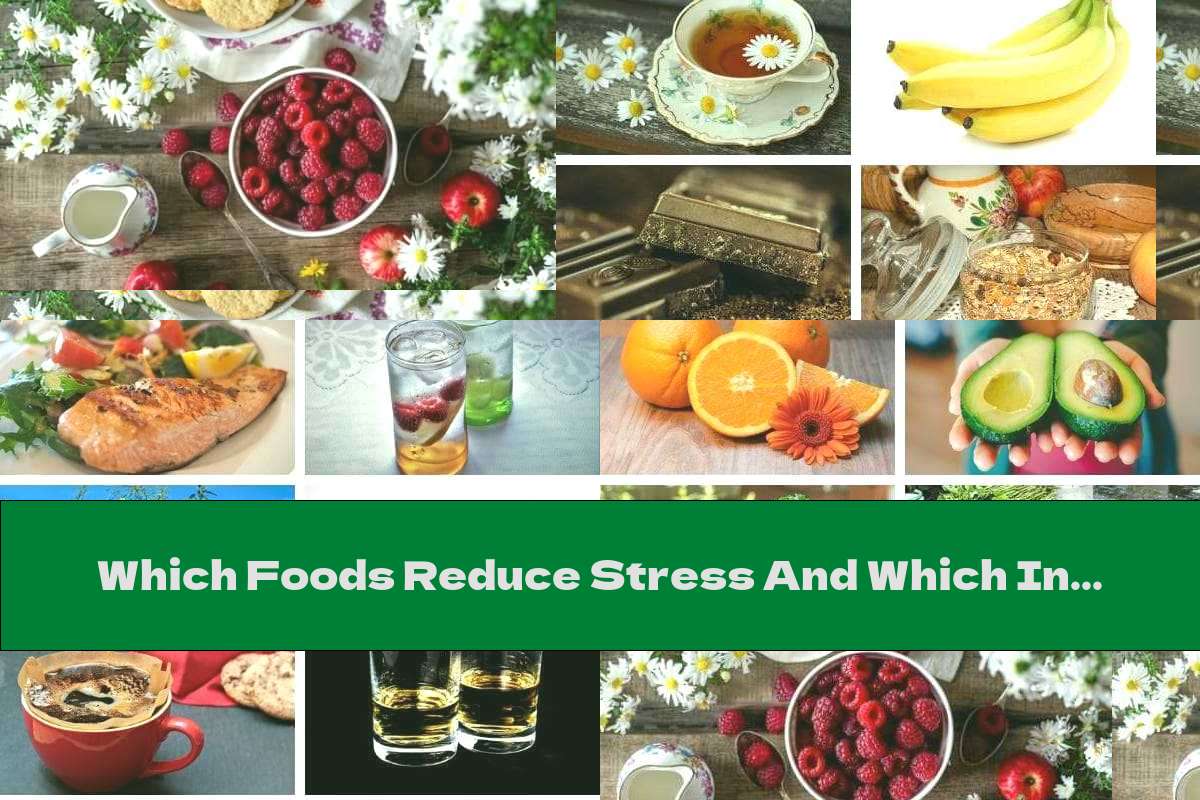
In this article, learn more about Which Foods Reduce Stress And Which Increase It. Some foods help reduce stress levels, while others work the other way around..
Stress may seem harmless, but it's not at all. While short-term stress can lead to headaches, stomach cramps, increased appetite, colds and flu, chronic stress affects every part of your body - from the digestive and reproductive systems. to the immune. If you do not pay attention to stress, you can increase the risk of diseases such as obesity, type 2 diabetes, heart disease, depression and anxiety. The good thing is that even through food you can help yourself - some foods help reduce stress, while others increase it.
How can diet help you deal with stress?
The problem is that people under stress often resort to food as a means to reduce it, and here is the key point - to choose the right foods. Chips and biscuits do you no favors, on the contrary - refined carbohydrates sharply increase blood sugar levels and then it drops sharply, which increases stress and anxiety. On the other hand, if you choose healthy foods high in fat, such as avocados, eggs and nuts, you will achieve the opposite effect - you create a favorable hormonal signal in the brain that regulates mood, balances sleep and energy.
When you are under stress, the body releases the hormones cortisol, insulin and ghrelin, which can increase feelings of hunger and cravings for junk food. If the condition continues and these hormones remain elevated for a long time, there is an increase in another hormone - leptin, which is responsible for the feeling of satiety. These conditions can subsequently trigger a disease called leptin resistance, which is associated with obesity.
Foods that reduce stressWarm, soothing drinks
For stress levels, food is as important as mental state. Have a soothing drink, such as chamomile tea. The drink increases the levels of the happiness hormones serotonin and dopamine and lowers stress levels. Drinking the hot fresh drink itself also brings a feeling of calm.
Black chocolateOf course, we can't help but mention the natural source of happiness - chocolate! A plain dessert is not a good choice when you are under stress, but on the other hand there is no reason not to take a bar or two of dark chocolate. It works in two ways - hormonally and emotionally. A piece of chocolate can deliver pleasure, which in itself reduces stress. The product is rich in antioxidants and lowers the levels of stress hormones in the body. Do not indulge in the consumption of chocolate, it is enough to eat about 30 grams of high quality chocolate with a minimum of 60% cocoa content.
Whole grainsCarbohydrates are very important for stress levels - this is exactly what people who follow very extreme diets and completely exclude carbohydrates from their menu should pay attention to. But here it is very important to emphasize that the useful carbohydrates are essential, not all. What does this mean? You should not reach for biscuits, crackers and chips, because refined carbohydrates work in exactly the opposite way, as we explained at the beginning. Not only do they affect your blood sugar, they can also affect your heart health, but in the short term, make you overeat later. Complex carbohydrates, on the other hand, can do wonders for your stress levels because they keep blood sugar levels more even. Sources of useful carbohydrates are sweet potatoes, whole grains such as quinoa,
BananasIf you are looking for a quick source of energy, choose a banana. It is full of potassium and contains dopamine, which improves mood. It also contains magnesium, whose low levels increase the symptoms of depression and anxiety. B vitamins will help the nervous system and reduce stress and fatigue.
Oily fish
Stress can damage the heart, but eating oily fish can strengthen it as well as improve your mood. Healthy fats in fish relieve depression and anxiety.
WaterDrinking water is extremely important! Cortisol levels may increase even with mild dehydration. When you drink enough water, it will not cause the stress to "disappear", but it will help your body cope with it more easily when it occurs. Women need about 2.7 liters of water a day, and men about 3.7 liters, at least 80% of this amount should come from drinks and the remaining 20% from food.
MilkIt turns out that calcium can not only improve the strength of your bones, but also raise your mood. The mineral in combination with vitamin D helps the muscles to relax and stabilize the mood. And the same nutrients can even relieve the symptoms of PMS, which women know causes stress.
NutsNuts are one of the most useful foods. They increase the feeling of satiety, so they prevent you from making wrong decisions and indulging in junk food. They can help lower blood pressure, and the vitamins in them help reduce stress levels. Just remember that they are high in calories, so you should limit yourself to consuming a small handful of nuts.
Citrus fruits
Citrus fruits are rich in vitamin C, which helps lower cortisol levels. Add strawberries, oranges, grapefruit to your menu to provide a useful vitamin.
AvocadoOf course, we can't help but mention it! Avocados are full of healthy monounsaturated fats, vitamin C, B6, potassium and fiber, making it the perfect food to combat stress. As already mentioned, vitamin B6 reduces stress, and potassium helps lower blood pressure. Healthy fiber and fat enhance the feeling of satiety.
Green leafy vegetablesYou may find salads boring, but they are one of the best decisions you can make to make your lunch more enjoyable. The compounds in them reduce stress and give the feeling that you have made a good choice. Folic acid, found in most green leafy vegetables, plays a key role in dopamine production.
Foods that increase stress
Of course, not all foods are good for stress levels. Some can make things worse. Here's what to miss if you're stressed.
CaffeineYour cup of coffee can affect stress levels, especially if you drink the drink in the afternoon, as this can affect your sleep, but here the poison is in the amount. Coffee can help you improve your mental focus when taken in small amounts, but if you overdo it, you are more likely to experience side effects. Too much caffeine can make you feel anxious, nervous, and more stressed than you actually are.
AlcoholBe careful about alcohol intake. When a person is under stress, he turns to alcohol to calm his nerves. Such drinks may indeed contribute to the feeling that you have reduced stress and depression, but in fact over time they will make stress more difficult to control. Try to stay away from alcohol, as it can also contribute to the development of many chronic diseases.
Refined sugarRefined sugar, which is found in sweets, causes blood sugar to rise rapidly and then fall sharply. This is the exact opposite of your needs. Refined sugar also increases the risk of depression.
Also read the recommended 14-day diet plan for dealing with food stress and see some tactics for dealing with it.
- Which foods calm the nervous system - part 2
- How to eat when we are under stress
- 14-day diet plan to reduce stress
- Which foods calm the nervous system - part 1
Related Articles
- Nutrition for Respiratory Health: Supporting Your Lungs with the Right Foods
- The Ultimate Guide to High Gluten Foods: Benefits, Sources, and Recipes
- The Ultimate Guide to High Gluten Foods: Effects, Benefits, and Recipes
- Nutrition and Libido: Enhance Your Sex Drive with the Right Foods
- Understanding E+631 in Nutrition: Health Implications, Common Foods, and Alternatives
Top Nutrition Articles Today
- . Steroids in Eggs: Separating Fact from Fiction | Nutrition a...
- . How To Cook Caramel Cream Mousse (for Cakes And Pastries) -...
- . Breastfeeding A Baby With Low Blood Sugar
- . Flatizza: A Healthier Alternative to Traditional Pizza
- . Understanding Acidity Regulators in Nutrition: Types, Benefi...
- . E515: Potassium Sulphates and Potassium Bisulphates - Functi...
- . Are Simple Sugars The Culprits For Most Diseases
- . The Role of Disodium Diphosphate in Food: Uses, Health Conce...
- . Hydrochloric Acid in Nutrition: Importance, Effects, and Sup...
- . Is It Filled With Carbonated Water?