Amaranth
 Author: Nia Rouseberg
Time for reading: ~2
minutes
Last Updated:
August 08, 2022
Author: Nia Rouseberg
Time for reading: ~2
minutes
Last Updated:
August 08, 2022
CHAPTERS (Table Of Contents)
In this article, learn more about Amaranth. Amaranth - crawling and harm.
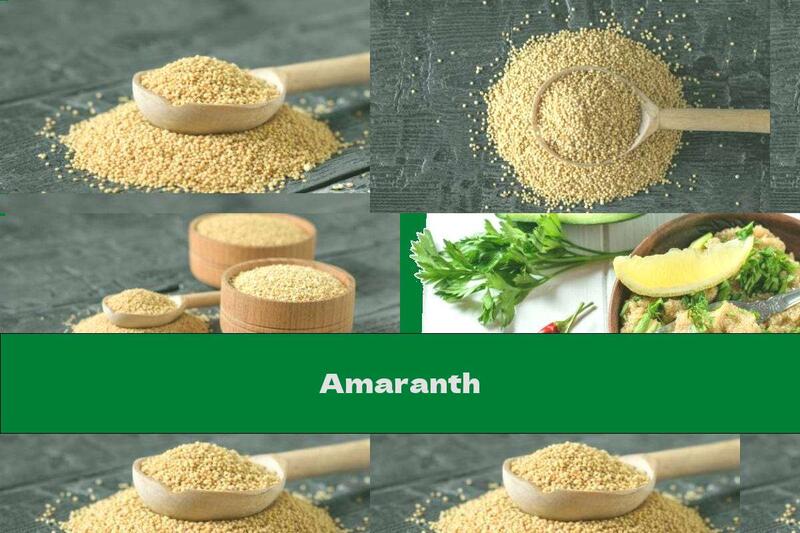
Amaranth is a type of cereal known since ancient times. Its leaves are used as leafy vegetables. The berries are the size of a lentil and can be green, yellow, pink or black.
The plant is also used as an ornamental flower, which retains its freshness for a long time.
In South America, they made amaranth liquid, which they called the "drink of immortality," and the Aztecs and Incas worshiped it as a deity.
Useful properties of amaranth and human impact
The grains of the plant are especially useful for the human body, as they contain 20-23% protein with a higher ratio of lysine, polyunsaturated fatty acids, starch, sterols and flavonoids.
A unique integral element of amaranth is squalene , which can "capture" oxygen and saturate tissues and organs. It is a powerful immunostimulant, able to penetrate the skin and thus affect the whole body.
Other useful substances:- vitamins: A (beta-carotene), B1 (thiamine), B2 (riboflavin), niacin (vitamin PP or vitamin B3), B5 (pantothenic acid), B6 (pyridoxine), B9 (folic acid), C (ascorbic acid) , E (tocopherol), B4 (choline);
- macronutrients - potassium, calcium, magnesium, sodium, phosphorus;
- trace elements - iron, manganese, copper, selenium, zinc .
Sprouted amaranth grains strengthen the general strengthening properties of the body, so they are used in the preparation of various medicines. In Chinese medicine, seed oil is used as an anti-aging agent, to heal wounds and repair the tissues of damaged internal organs and skin.
Amaranth strengthens the cardiovascular system, increases immunity to colds, normalizes the central nervous system, maintains skin health and "captures" free radicals.
In modern medicine the plant is used in the treatment of hemorrhoids, inflammation of the genitourinary system, beriberi, anemia, diabetes, lack of strength, neurosis, obesity, burns, periodontitis, stomatitis, gastric and duodenal ulcers, atherosclerosis.
In cooking, amaranth beans (which have the aroma and taste of nuts) are used to make drinks, confectionery and pasta. Young shoots and leaves are added to salads, side dishes, fish dishes and can be blanched, fried or steamed.
The oil from the culture (extracted by raw pressing) and the oil extract from the stems, leaves and flowers of the plant are used in cosmetics.
Creams, masks and other cosmetic products based on amaranth oil contribute to the recovery and rejuvenation of the skin, raise the tone, nourish and soften the rough skin of the face. In addition, the use of such agents provides antibacterial protection and better treatment for psoriasis, eczema, neurodermatitis, dermatitis, allergic dermatoses, trophic ulcers and herpes.
Harmful properties of amaranth
The use of the plant, as well as drugs that contain it, is not recommended for gluten enteropathy (celiac disease), individual intolerance to the product, cholecystitis, pancreatitis, gallstones and kidney stones.