Anemia
 Author: Maryam Ayres
Time for reading: ~7
minutes
Last Updated:
January 27, 2026
Author: Maryam Ayres
Time for reading: ~7
minutes
Last Updated:
January 27, 2026
CHAPTERS (Table Of Contents)
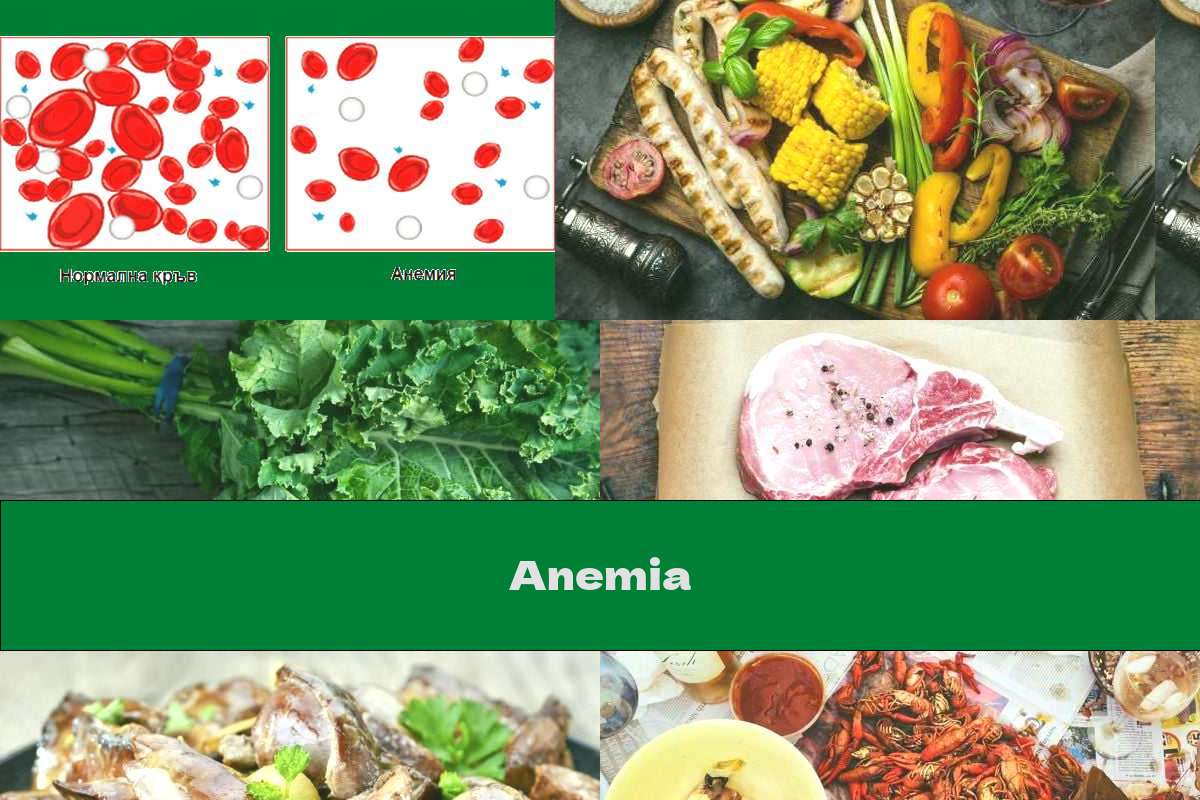
Anemia most often manifests itself with iron deficiency and low hemoglobin, without which the body cannot produce red blood cells to supply oxygen-rich blood throughout the body. Foods rich in iron and vitamins should be included in the diet.
Anemia can occur as a result of blood loss, impaired hematopoietic function, increased destruction of red blood cells, infections and other diseases. The most common anemia is associated with iron deficiency. Red blood cells contain a protein called hemoglobin, which is rich in iron. Without enough iron, the body cannot produce the hemoglobin it needs to make enough red blood cells and deliver oxygen-rich blood throughout the body.
Less common anemias are due to a deficiency of vitamin B12 and folic acid. If the body does not process vitamin B12 properly, a person can develop pernicious anemia. Since the sources of vitamin B12 and folic acid are products of animal origin, the lack of these elements mainly affects vegetarians, it can occur in the elderly as a result of impaired gastric mucosa. Another cause of such anemia is alcoholism. The diet should be rich in iron and B vitamins for people suffering from anemia. If necessary, talk to your doctor about including supplements as adjunctive therapy. In this article, we will look at foods that can help or harm people with anemia.
Dietary plan for nutrition and treatment of anemia
The best diet plan for treating anemia includes foods rich in iron and other vitamins essential for the production of hemoglobin and red blood cells. Products that help the body absorb iron better should also be included.
There are two types of iron in food - heme and non-heme. Heme is found in meat, poultry and seafood, and non-heme is found in plant foods and iron-fortified foods. The human body can absorb both types, but it is easier to absorb heme.
You can follow the following diet plan to get extra iron:
Breakfast:- Option 1: Iron-fortified cereal with a glass of iron-enriched orange juice.
Tip: Tea and coffee inhibit the absorption of iron, so they should not be taken with food.
Lunch:- Option 1: Sandwich of iron-enriched bread with roast beef and watercress.
- Option 2: Burger with smoked salmon and spinach.
- Option 1: Lamb chops with boiled potatoes, stewed broccoli and kale.
- Option 2: Bean stew, chickpeas, tomatoes, onions, red peppers and garlic.
Although the treatment of anemia is individual to each person, in most cases it is necessary to take about 150-200 milligrams of iron per day. It is difficult to achieve this amount only through diet, so it is necessary to take iron supplements while restoring its levels in the body.
Foods rich in iron that help fight iron deficiency anemia:
1. Leafy vegetables
Leafy vegetables, especially dark ones, are among the best sources of non-heme iron. These are:
- spinach;
- kale;
- arugula;
- cabbage collar (collar greens);
- chard.
Some leafy vegetables, such as chard and collar cabbage, also contain folic acid - vitamin B9. A diet low in this vitamin can cause anemia with folic acid deficiency (folate deficiency anemia). Citrus fruits, beans and whole grains are good sources of the vitamin.
When eating dark leafy vegetables, sources of iron, there is an increase in mineral values. Some vegetables high in minerals, such as spinach and kale, are also high in oxalates. These are compounds that prevent the absorption of non-heme iron. It is not necessary to get the necessary minerals and vitamins from the body only from these vegetables, but it is advisable to diversify with the choice.
Vitamin C helps the stomach absorb iron. Eating leafy vegetables with foods that contain vitamin C such as oranges, red peppers and strawberries can increase the absorption of the mineral. Some leafy greens, such as coral and chard, are good sources of both iron and vitamin C.
2. Meat and poultry
All types of meat and poultry contain heme iron. Red and lamb, as well as game, are the best sources of the mineral. Poultry and chicken have a lower content, so they should be combined with foods containing non-heme iron, such as leafy vegetables, to increase the absorption of the mineral.
3. Liver
For many people it is unpleasant to consume offal, but they are a great source of iron. The liver is perhaps the most popular by-product, rich in iron and folic acid. Other mineral-rich by-products are heart, kidney and beef tongue.
4. Seafood
Some seafood supplies heme iron. Crustaceans such as oysters, mussels and shrimp are good sources. Most fish contain the mineral, and those with a high content are:
- sardines preserved in oil;
- fresh or canned tuna;
- fresh salmon;
- fresh halibut;
- fresh perch;
- fresh haddock (fever).
Both fresh and canned salmon are good sources of iron. Canned salmon is also high in calcium - a mineral that binds to iron and reduces its absorption. Foods high in calcium should not be consumed at the same time as foods rich in iron. Other products rich in calcium are:
- raw milk;
- yoghurt;
- kefir;
- cheese;
- sardines;
- broccoli;
- tofu.
5. Enriched foods
Add iron-fortified foods to your daily diet if you are a vegetarian or if you want to get extra from the mineral to deal with iron deficiency anemia:
- enriched orange juice;
- fortified, ready-to-eat cereals;
- foods made from fortified flour (for example, bread);
- enriched pasta;
- foods made from fortified corn flour;
- enriched white rice.
Legumes are a good source of the mineral for both vegetarians and carnivores. In addition, they are cheap and versatile. The rich sources are:
- kidney beans;
- chickpeas;
- soybeans;
- black eye beans;
- pinto beans;
- black beans;
- peas;
- butter beans.
Many types of nuts and seeds are good sources of the mineral. They have a pleasant taste both consumed alone and sprinkled on salads or yogurt. Eating raw nuts and seeds when possible is the better option. Containing iron are:
- pumpkin seeds;
- porridge;
- pistachios;
- hemp seed;
- Pine nuts;
- sunflower seeds.
Almonds are also a good source of the mineral. They are a healthy food as part of the diet, but because they are also high in calcium, they may not raise enough iron levels in the body.
What can cause anemia?
Anemia can be the result of many factors, including:
- lack of iron in the diet;
- heavy menstruation;
- lack of folic acid or vitamin B12 in the diet.
Bleeding in the stomach or intestines can also cause anemia. This type of bleeding is sometimes a side effect of non-steroidal anti-inflammatory drugs or may be the result of ulcers, hemorrhoids or swelling in the colon or esophagus, as well as some cancers.
Pregnant women have an increased risk of developing iron deficiency anemia, which occurs when iron levels are too low. In this case, doctors usually advise taking mineral supplements.
The recommended daily dose of iron depends on the age and sex of the person. Babies up to 6 months need about 0.27 milligrams of iron a day. A man aged 19-50 needs 8 milligrams of iron a day, and a woman of the same age needs 18 milligrams.
During pregnancy, women should increase their daily iron intake to 27 milligrams.
People with iron deficiency anemia need to get significant amounts - 150-200 milligrams of iron per day.
Can I drink coffee and tea for anemia?
Some products make it difficult to absorb iron, such as coffee and tea. The stronger the coffee or tea, the less iron is absorbed. Caffeine in coffee is not the only substance known to interfere with iron absorption. Polyphenols in coffee and tea are thought to be major inhibitors of iron absorption. Polyphenols include chlorogenic acid, which is found in coffee, cocoa and some herbs; as well as the tannins found in black tea and coffee. These compounds bind to iron during digestion and make it more difficult to digest. Their effect on the absorption of the mineral depends on the dose, which means that the absorption of iron decreases with increasing content of polyphenols in food or beverages. A study finds that the intake of 5 milligrams of tannins inhibits the absorption of iron by 20%, while 25 milligrams by 67% and 100 milligrams by 88%. In order not to suffer from iron deficiency, do not rush to take these drinks immediately after a meal, but wait at least 1 hour to digest the food and absorb the element.
Based on the causes of anemia, the following recommendations have been made to avoid the disease:
- Your diet should regularly and in sufficient quantities include products, sources of iron, vitamin B12 and folic acid. Have beets, spinach, lettuce, soy on your table. Sesame is very rich in iron. B12 is found in meat, liver, kidneys, dairy products.
- Given that iron is better absorbed by the body in the presence of vitamin C, it must be careful that the body does not feel the need for this vitamin. Along with products that are sources of iron, the menu should also include foods that supply us with ascorbic acid (cabbage, peppers, green onions, spinach, sorrel, oranges, grapefruits, rose hips, etc.).
- Fenugreek leaves and seeds, in addition to being one of the main sources of iron, they stimulate the process of blood formation.
- Almonds are an excellent tool for the prevention of anemia, and are used for complex therapy of the disease. Almonds contain a lot of honey, which stimulates the synthesis of hemoglobin.
- If you suffer from anemia, eat more fresh fruit and drink more fresh vegetable juices!
- Eat a variety of foods containing heme and non-heme iron daily to increase mineral intake and absorption.
- Eating with low hemoglobin