Anorexia
 Author: Dean Rouseberg
Time for reading: ~2
minutes
Last Updated:
August 08, 2022
Author: Dean Rouseberg
Time for reading: ~2
minutes
Last Updated:
August 08, 2022
CHAPTERS (Table Of Contents)
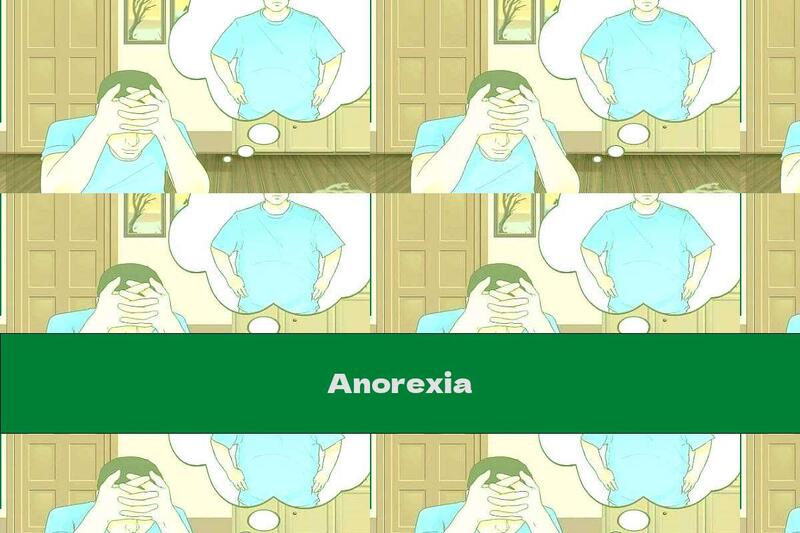
Anorexia is a disease characterized by a psychopathological disorder (obsessive-compulsive disorder and fear of gaining weight), partial or complete refusal to eat or decreased appetite.
Anorexia is a disease characterized by a psychopathological disorder (obsessive-compulsive disorder and fear of gaining weight), partial or complete refusal to eat or decreased appetite. The problem is the cause of severe exhaustion of the body, impaired metabolism, atrophy of the digestive system. If the disease is not controlled and the necessary measures are not taken, it leads to "starvation" death or suicidal behavior .
Types of anorexia:
- mental - loss of hunger during depression, schizophrenia or paranoia (for example, an overwhelming fear of poisoning);
- nervous - decreased appetite due to constant desire to lose weight, limiting the amount of food consumed;
- anorexia as a symptom - lack of appetite, as a sign of physical illness or mental disorders;
- drug anorexia - decreased appetite as a result of the use of antidepressants, mental stimulants, anorexigenic substances (drugs that kill appetite).
Anorexia is also divided into:
- purifying - is expressed in the fact that after eating, the sufferer causes vomiting or taking a laxative;
- restrictive - limiting the amount of food, excluding from the menu important for the body products that give it calories.
Causes of anorexia:
- hepatitis;
- gastritis
- diseases of the genitourinary system;
- kidney failure;
- diseases of the oral cavity and teeth;
- oncological diseases;
- depression, constant anxiety;
- fever;
- taking or overdosing on potent medications;
- irrational, monotonous and irregular eating;
- alcohol abuse;
- strong pathological desire to lose weight.
In addition to all these causes, anorexia can be due to genetic or biological predisposition, the influence of family members, the influence of society, in connection with the imposition of "standards" for beauty, interpersonal conflicts.
Symptoms:
- refusal of food or its restriction together with unbearable physical exercises;
- thinning and drying of the hair or its absence;
- brittle nails;
- sunken abdomen and eyes;
- shaking the teeth and falling part of them;
- reducing the amount of fluid in the body;
- hypotension and bradycardia;
- in women - the absence of a menstrual cycle;
- reduction of sexual desire in men;
- liquefaction or lack of subcutaneous adipose tissue;
- atrophied skeletal muscle;
- skin pigmentation;
- increased tendency to furunculosis and hemorrhage;
The last stage of the disease is associated with dystrophy of the internal organs, cessation of their work and as a result - death.
Useful products for anorexia:
- freshly prepared fruit puree of green banana, apple, pear;
- mashed vegetables, souffle and boiled beetroot soup, carrots;
- rice, oatmeal, buckwheat porridge;
- dill, coriander;
- bread, biscuits;
- vegetable oil (rapeseed and linseed oils, deodorized sunflower oil);
- honey, natural bitter chocolate;
- fish;
- cooked chicken and turkey meats;
- melted butter, low-fat cheeses;
- ice cream without preservatives with nuts or raisins.
Dangerous and harmful products for anorexia:
- sausages;
- canned meat and fish;
- canned vegetables;
- margarines;
- sweetened carbonated water;
- products containing preservatives;
- fatty foods and those with high fat content.
Limit consumption of lean pork, beef, pasta, artificial sweets.