Avocado - Health Benefits
 Author: Nia Rouseberg
Time for reading: ~3
minutes
Last Updated:
January 27, 2026
Author: Nia Rouseberg
Time for reading: ~3
minutes
Last Updated:
January 27, 2026
CHAPTERS (Table Of Contents)
Avocados have many health benefits, contain many vitamins, minerals and useful fats.
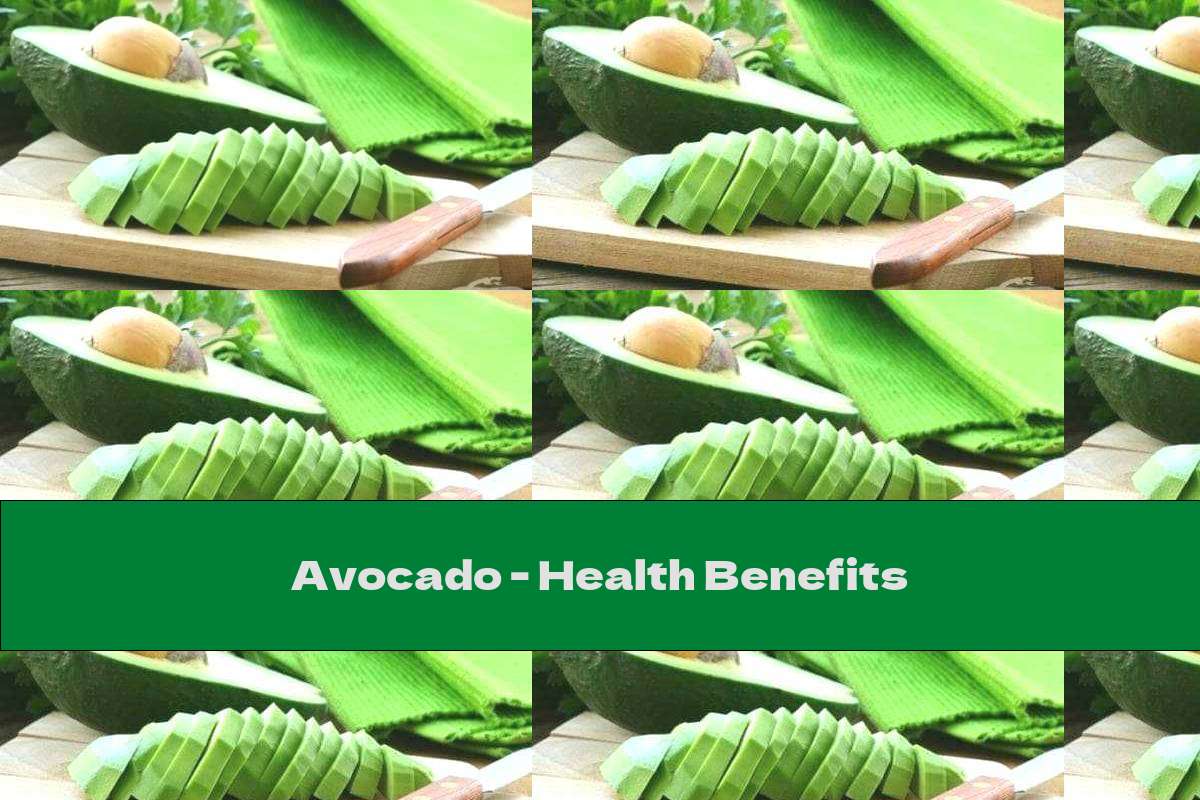
The avocado has a greenish-yellow tinge, a characteristic smell and a pleasant taste that make it a welcome guest at every table. The fruit is highly valued nowadays, supplies a large amount of useful fats and is full of useful properties. There are many varieties of avocado, mainly differing in size and color of the peel at first glance, they also have a difference in the color of the fruit inside and a slight difference in taste. The most popular variety is Haas.
Nutritional value and composition
100 grams of delicious fruit contain:
- 160 calories
- 2 grams of protein
- 15 grams of fat
- 9 grams of carbohydrates
- 7 grams of fiber
vitamins and minerals:
- 26% of the daily requirement (DN) of vitamin K.
- 20% of DN folate
- 17% of DN vitamin C.
- 14% of DV potassium
- 14% of DN vitamin B5
- 13% of DN vitamin B6
- 10% of DN vitamin E.
The fruit is rich in polyunsaturated fatty acids, vitamins and provitamins A, B2, D, E, PP (their effect on the body see here). In addition, avocados contain many natural hormones, phytosterols, chlorophyll, lecithin, squalene and unsaponifiable fats. They have a specific biological activity, prolong youth.
Useful properties of avocado:
For the heart and blood vesselsRipe fruits are rich in unsaturated fatty acids, and according to scientists, it is the lack of such that causes impaired cholesterol metabolism and the development of atherosclerosis. In addition, avocados are high in potassium, which regulates water-salt metabolism and is important for heart function. Several studies have shown that high potassium intake is associated with low blood pressure, and when it is not regulated, the risk of heart disease, stroke and kidney failure is increased. The fetus lowers blood pressure.
For the skinThis exotic fruit contains a large amount of vitamins A and C, vegetable proteins and fats, on which the elasticity of the skin depends.
Lowers cholesterol and triglyceride levelsHeart disease is the most common cause of death in the world. It is known that some markers in the blood picture show this - cholesterol and triglycerides.
By consuming avocados regularly, you reduce blood triglycerides by 20%, LDL cholesterol levels by up to 22%, and good HDL cholesterol by up to 11%.
Improves digestionThe fat content helps you absorb nutrients from vegetables. Adding avocado to various salads helps to absorb substances and vitamins.
Rich in antioxidantsThe fruit not only stimulates the absorption of vitamins, but it itself contains many antioxidants. Studies show a direct link between avocado and eye health, it contains lutein and zaexanthin, both related to vision.
Consumption of avocados reduces the risk of developing cataracts and macular degeneration, which are common in the elderly.
For the intestinesAvocado pulp improves intestinal microflora and peristalsis, prevents constipation. Fiber not only feeds the good bacteria in the gut, but also takes care of the gradual rise in blood sugar, which makes the fruit one of the best choices for people who want to control their blood sugar. Avocados contain both soluble and insoluble fiber, soluble fiber is food for intestinal bacteria, and insoluble fiber passes through the body and cleanses the body.
Stimulates weight lossAlthough full of fat, avocados are a great food for weight loss. It satiates for a long time, in a study on a group of people, after eating the fruit was observed with 28% lower desire to eat in the next 5 hours. In the long run, this means that consuming avocados will help you reduce the amount of total food consumed for the day.
It is high in fiber and low in carbohydrates.
For hematopoiesisIron and copper, which are part of avocados, prevent the development of anemia. By the way, in the presence of copper, iron (the main hematopoietic element) is better absorbed.
About the moodUnder stress, the body suffers from a lack of potassium, and avocados supply the necessary amount of the substance.
Conclusion
Avocado is very tasty and useful, you can eat it in various ways, there are a number of delicious suggestions with which you can add the appetizing fruit to your menu.
- Guacamole
- Avocado oil
Related Articles
- The Power of Honeysuckle: Health Benefits and Recipes
- The Ultimate Guide to Hickory Smoked Bacon in Nutrition and Healthy Eating
- Fruitskewers in Honey Syrup: Nutritional Benefits and Recipes
- The Ultimate Guide to Buffer 500 in Nutrition: Benefits and Usage
- Nutritional Benefits of Fruit Skewers in Honey Syrup: A Delicious and Healthy Recipe