Cauliflower Is A Potential Cure For Cancer
 Author: Alexander Bruni
Time for reading: ~1
minutes
Last Updated:
August 08, 2022
Author: Alexander Bruni
Time for reading: ~1
minutes
Last Updated:
August 08, 2022
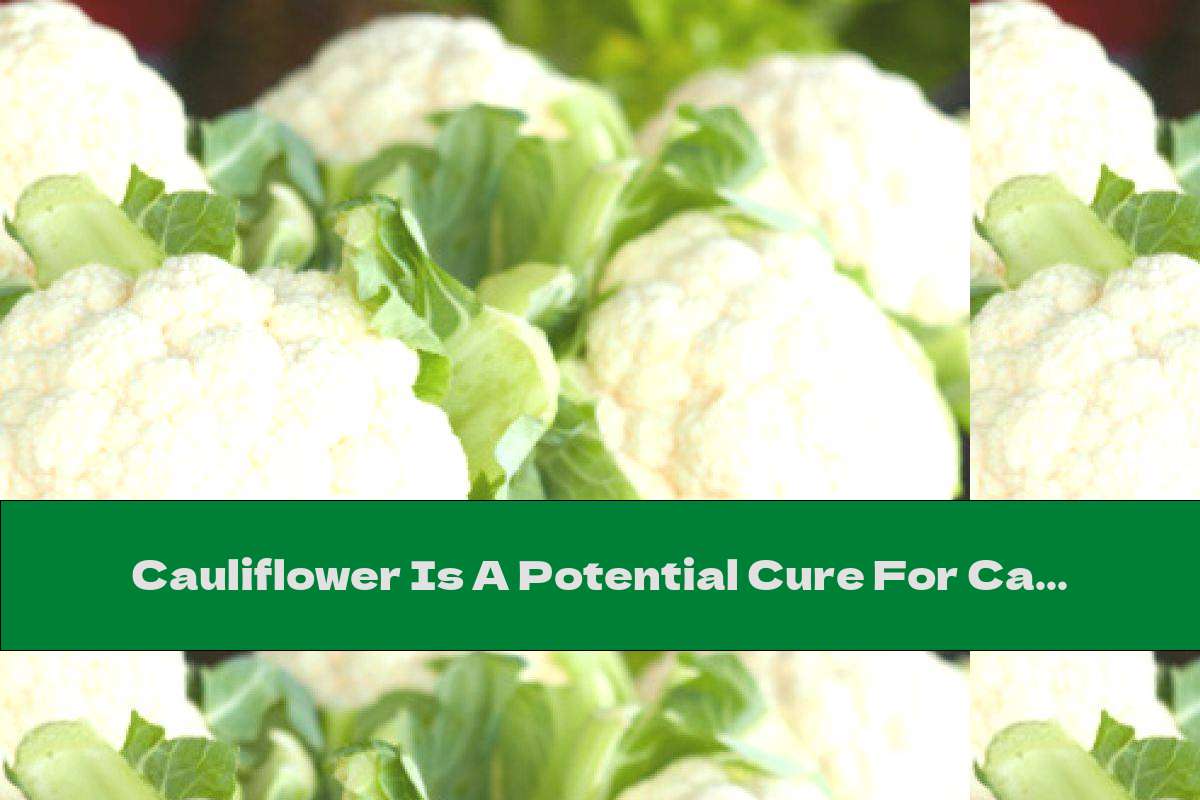
Cauliflower contains antioxidants that help prevent cell mutations and reduce oxidative stress.
Cauliflower is one of the most useful vegetables. It is rich in a large amount of nutrients, while at the same time having a low calorie content .
Cauliflower contains antioxidants that help prevent cell mutations and also reduce oxidative stress caused by free radicals.
One of these antioxidants is indole-3-carbinol, which can usually be found in cruciferous vegetables such as broccoli, cauliflower , cabbage. It is associated with a reduced risk of breast cancer and affecting the reproductive organs in men and women.
Studies over the past 30 years have shown that eating large amounts of cruciferous vegetables is associated with a reduced risk of colon and lung cancer.
Recent studies have found that the compound sulforaphane , which imparts a bitter taste to cauliflower, also has anti-cancer properties. The properties of the compound in terms of slowing down or preventing cancer are currently being studied .
Scientists have found that it can suppress the enzyme histone deacetylase , which is known to be linked to the progression of cancer cells . The ability to stop this enzyme may make sulforaphane-containing foods a potential part of cancer treatment in the future.
Choline is a very important substance in cauliflower that helps sleep, muscle movement, learning and memory . This compound also helps maintain the structure of cell membranes, helps move nerve impulses, helps absorb fat and reduces chronic inflammation .
Related Articles
- Unlock the Potential of Diet № 13: Benefits, Meal Plans, and Recipes
- Unlocking the Potential of Diet ��� 14 for Optimal Nutrition
- Unlocking the Potential of Diet No. 4: A Comprehensive Nutrition Guide
- E 340 Monopotassium Phosphate: Benefits, Uses, and Potential Health Concerns
- Unlocking the Potential of Diet № 14: A Comprehensive Guide to Nutrition
Top Nutrition Articles Today
- . Steak Label
- . How To Fry Porcini Mushrooms
- . Beer Also Protects Against Osteoporosis
- . The Ultimate Guide to Calcium Inosinate in Nutrition: Benefi...
- . Net Zero
- . Understanding Gassy Foods: Impact on Digestion and Low-Gas D...
- . The Importance of Supplements in a Healthy Diet - A Comprehe...
- . Amino Acids in Nutrition: Importance, Types, and Optimizatio...
- . How To Know The Real Ice Cream?
- . How To Cook Lunch For School: Meatballs, Babaganush, Sarma,...