Diet And Nutrition In Parkinson's
 Author: Alexander Bruni
Time for reading: ~3
minutes
Last Updated:
January 27, 2026
Author: Alexander Bruni
Time for reading: ~3
minutes
Last Updated:
January 27, 2026
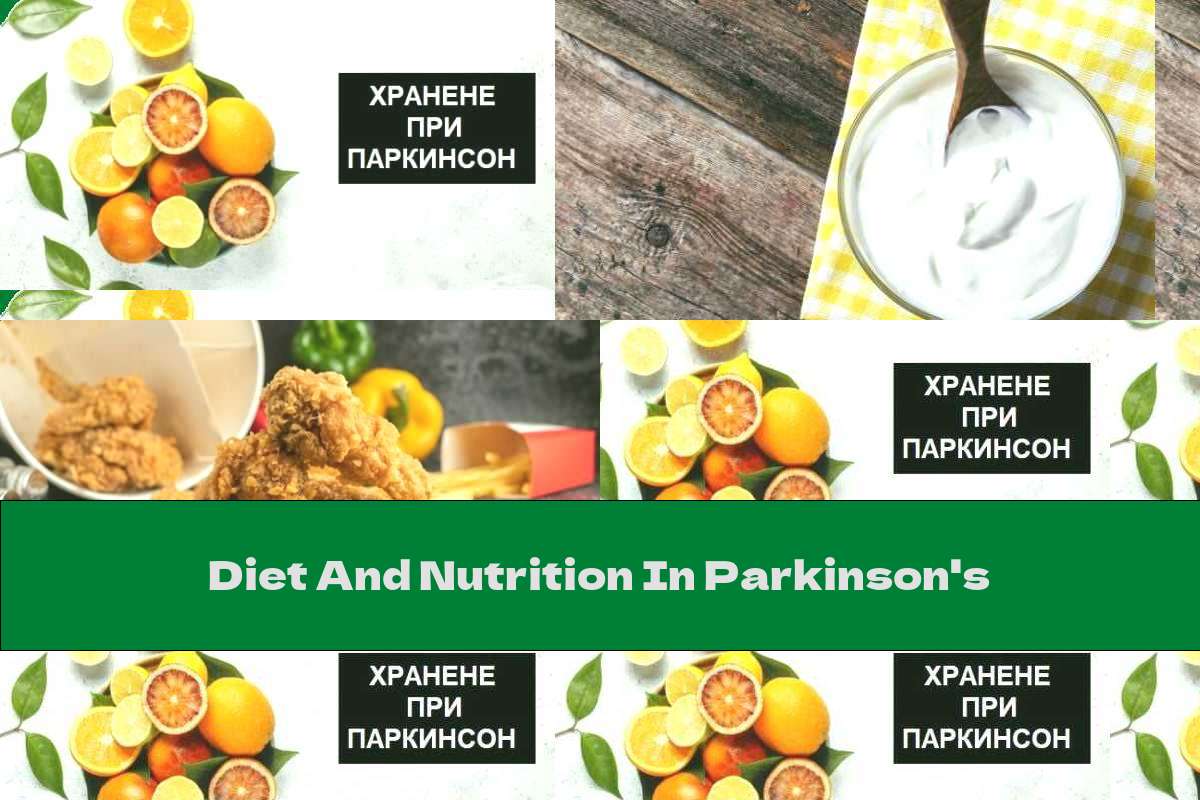
In this article, learn more about Diet And Nutrition In Parkinson's. Diet and nutrition in Parkinson's.
Unfortunately, one of the consequences of Parkinson's disease is associated with disorders of the gastrointestinal tract. This is the reason why constipation (constipation) is indicated as an early manifestation of the neurodegenerative processes that characterize the condition. Due to the specifics of the disease, leading to stomach problems, experts recommend a balanced and complete diet , avoiding certain foods and products. A sensible diet would help alleviate some of the symptoms of the disease, as well as improve the general condition in general.
In the first place it is recommended to use products rich in fiber - especially fruits and vegetables. If the disease is advanced to the point where there are problems with chewing and swallowing, they can be consumed in the form of soups, stews or purees. To avoid stomach irritation, it is recommended to peel fruits and vegetables. In addition to being a source of fiber, they contain minerals and vitamins that are also useful in this type of health problem.
Specifically for Parkinson's it is recommended to consume fruits and vegetables with high content of vitamin C such as citrus fruits, red peppers, tomatoes, green leafy vegetables, as well as beets, carrots, apples, apricots, plums and legumes - peas, beans and others .
Moderate consumption of dairy products, especially yogurt, whose positive effect on Parkinson's patients has been the subject of serious research, should also be part of the diet of people with this diagnosis.
Sufficient fluid intake, especially water, is essential for a balanced diet, with a recommended dose of 6 to 8 glasses per day. Water and fluids in general are important because excessive consumption of high-fiber foods without adequate water intake can exacerbate problems such as constipation.
In some people, the proteins found in meat, fish, eggs, cheese, and others may interact with the drug levodopa, which is taken by parkinsonics. Therefore, it is generally recommended that the medication be taken 30-40 minutes before a meal.
Parkinson's patients are more prone to developing osteoporosis, so it is good to take more foods or supplements containing vitamins D or C.
However, the type of food or supplements should be consulted with a specialist in advance. In case of problems with blood pressure (in Parkinson's it is more often low) the intake of salt in the food as well as coffee can be increased, but here the conversation with the doctor is also necessary.
People diagnosed with Parkinson 's should avoid high-fat foods, processed foods, canned foods, solid foods, and fried foods. As for alcohol, as long as there is no explicit prohibition by the attending physician, the consumption of a glass of wine or beer will not have negative consequences. However, this should be done again after consulting a specialist, because in some cases alcohol can cause blood pressure problems or affect the effect of medication.
In its more advanced forms, Parkinson's disease can severely complicate the process of eating. Here are some tips in this regard:
- Choose a quiet place to eat;
- If the process of eating takes you longer, choose easy-to-eat foods, as well as those that can be eaten and chilled;
- Avoid hard, dry or crumbly foods;
- Eat smaller portions, but more often during the day;
- Try to eat when you are less tired. This may mean moving your main meal around noon, not evening;
- Strive to eat upright in a chair;
- If you wear dentures on your teeth, make sure they are well placed;
- In case of strong and frequent tremor, cups with caps and a special opening can be used to prevent spillage. These are also used for sports purposes.
You can find more about Parkinson's disease at www.parkinson.bg
- Nutrition in Parkinson's disease
Related Articles
- The Ultimate Guide to Hickory Smoked Bacon in Nutrition and Healthy Eating
- Fruitskewers in Honey Syrup: Nutritional Benefits and Recipes
- The Ultimate Guide to Buffer 500 in Nutrition: Benefits and Usage
- Nutritional Benefits of Fruit Skewers in Honey Syrup: A Delicious and Healthy Recipe
- Nutrition Guide: Fruitskewers in Honey Syrup - Benefits, Recipes, and More
Top Nutrition Articles Today
- . Foods High In Folate And B12
- . Chicory: 15 Health Benefits, How To Drink, Contraindications...
- . Dishes From Neighboring Countries That We Love: Potato Panca...
- . What To Cook With Sweet Potato
- . The Ultimate Guide to Vitamin E in Nutrition: Sources, Benef...
- . The Essential Role of Copper (Cu) in Nutrition: Sources, Ben...
- . Nutritional Benefits of Pizza: Key Nutrients, Healthier Opti...
- . The Delicious and Nutritious World of Minibrownies: A Guide...
- . The Complete Guide to E339ii in Nutrition: Benefits, Regulat...
- . The Role of Samarium in Nutrition: Benefits and Food Sources