E215 - Sodium Ethyl P-hydroxybenzoate
 Author: Ivan Red Jr.
Time for reading: ~1
minutes
Last Updated:
August 08, 2022
Author: Ivan Red Jr.
Time for reading: ~1
minutes
Last Updated:
August 08, 2022
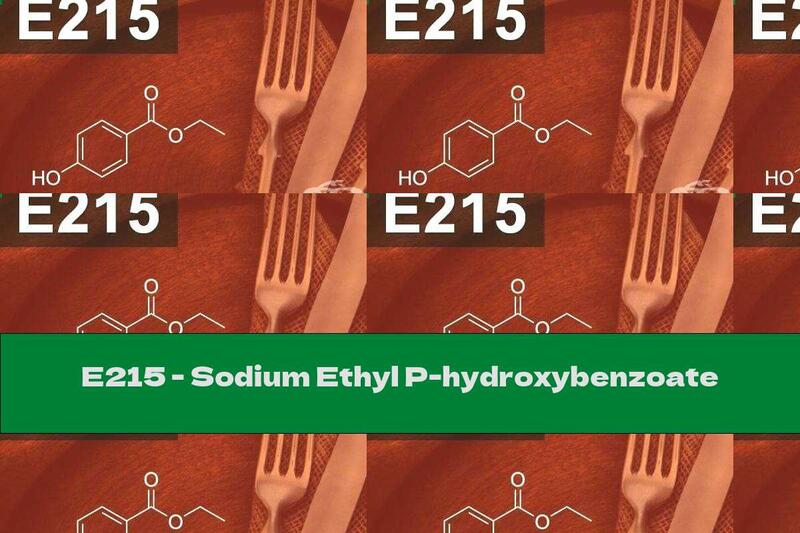
Feature: E215 has a molecular weight of 188.18. In appearance, these are white crystals, similar to powder, that dissolve easily in water, but less in alcohol and acids, and do not dissolve in oils at all.
Characteristic:
E215 has a molecular weight of 188.18. In appearance, these are white crystals, similar to powder, which dissolve easily in water, but less in alcohol and acids, and do not dissolve in oils at all. The substance is excreted from the body, practically, in pure form together with urine. Contact with the skin can lead to the formation of various dermatitis, and in case of contact with the eyes - irritation of their mucous membranes, but this does not mean that contact with the oral cavity leads to similar results. Moreover, salts do not enter the body in pure form, but above all as an integral part of some products. The permissible daily dose of preservative is not more than 10 mg per 1 kg of body weight (this is an absolutely harmless amount).
Usage:
The food additive belongs to the group of preservatives that are directly responsible for the storage of products and for extending their shelf life. They can be classified as chemically sterilizing additives that protect products from microbes, bacteriophages and fungi. Also, they prevent the processes of putrefaction, fermentation and other similar decomposition processes.
E 215 is approved for processing a wide range of products (jams, canned food, jellies). Sometimes the preservative is added in combination with benzoates, potassium sorbate or sorbic acid.
Human effects:
Sodium ethyl p-hydroxy benzoate is a carcinogen, which speaks for itself about its harm. It is banned in many countries around the world. Its use is permitted in Russia.
Related Articles
- The Role of Sodium Methyl Para-Hydroxybenzoate in Nutrition: Preservative Properties & Health Concerns
- The Role of Sodium Methylparaben in Nutrition: Uses, Controversy, and Safety
- The Ultimate Guide to Disodium Diphosphate in Nutrition
- The Nutritional Value of Potato Chips: Calories, Fat, and Sodium Content
- The Role of Sodium Tripolyphosphate in Nutrition: Uses and Considerations
Top Nutrition Articles Today
- . Foods High In Folate And B12
- . Chicory: 15 Health Benefits, How To Drink, Contraindications...
- . Dishes From Neighboring Countries That We Love: Potato Panca...
- . What To Cook With Sweet Potato
- . The Ultimate Guide to Vitamin E in Nutrition: Sources, Benef...
- . The Essential Role of Copper (Cu) in Nutrition: Sources, Ben...
- . Nutritional Benefits of Pizza: Key Nutrients, Healthier Opti...
- . The Delicious and Nutritious World of Minibrownies: A Guide...
- . The Complete Guide to E339ii in Nutrition: Benefits, Regulat...
- . The Role of Samarium in Nutrition: Benefits and Food Sources