E283 - Potassium Propionate
 Author: Dean Rouseberg
Time for reading: ~1
minutes
Last Updated:
January 27, 2026
Author: Dean Rouseberg
Time for reading: ~1
minutes
Last Updated:
January 27, 2026
CHAPTERS (Table Of Contents)
Characteristics: The combination of propionic acid with potassium salts gives potassium propionate. In appearance it is a white crystalline powder, easily soluble in water and insoluble in alcohol. Упо
Characteristic
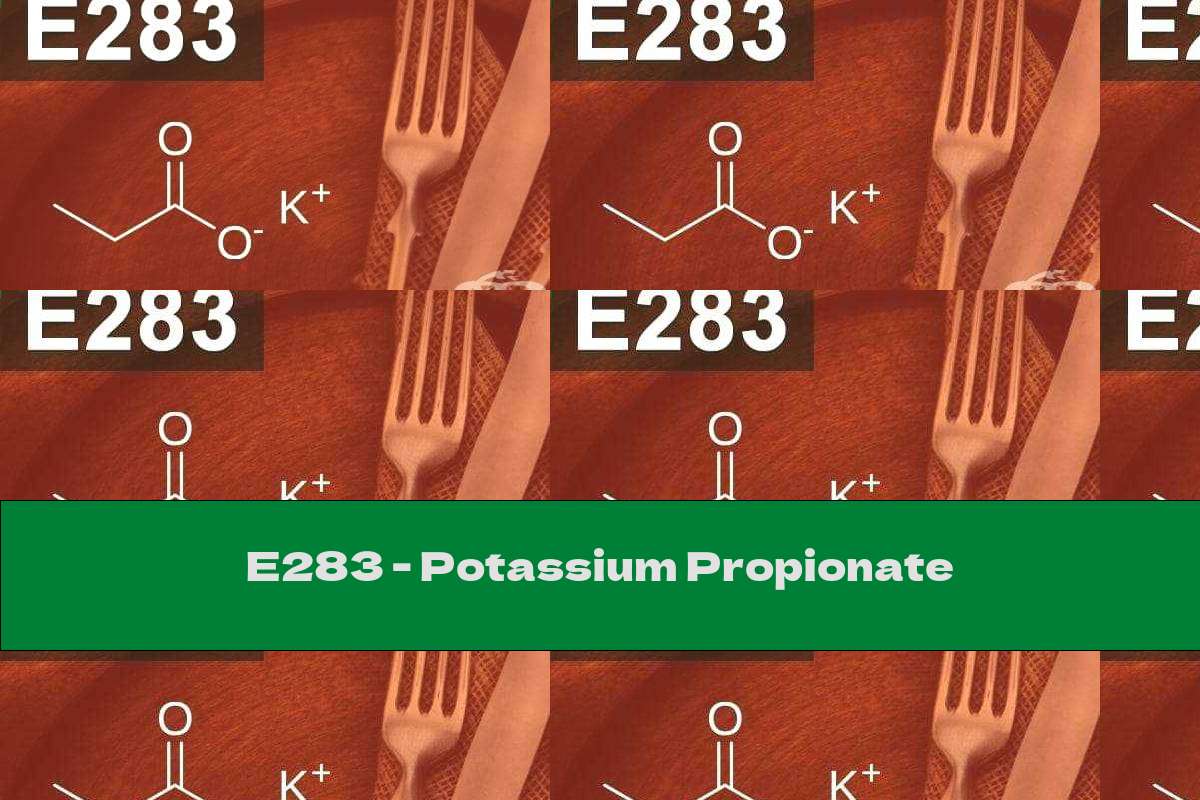
The combination of propionic acid with potassium salts gives potassium propionate . In appearance it is a white crystalline powder, easily soluble in water and insoluble in alcohol.
Use
Potassium propionate is not used as often as other propionates (calcium propionate is the most widely used preservative). However, E 283 is used in the production of dairy and bakery products. It is found in cakes, biscuits and other pasta. The permissible amount of the additive is 3 grams per 1 kg of production. The substance is also used in cosmetics - in small doses for storage of cosmetics (not more than 2% propionic acid). Propionic acid is an aggressive liquid with a pungent odor, which makes it difficult to use in its free form. This problem is solved with the use of stable potassium salts.
Impact on humans
There is no restriction on the daily intake of the supplement, but in some cases (in sensitive people) the use of foods containing E 283 leads to headaches. Potassium salt is actively involved in most metabolic processes in the human body. The chemical compound propionic acid and sodium hydroxide gives the salts antibacterial properties. The preservative may be carcinogenic to humans and cause cancer cells to form if the dosage is not correct, so safety precautions must be observed. Improper use can cause allergic skin diseases, memory problems and irritation of the gastrointestinal tract.
- E282 Calcium propionate
- E281 Sodium propionate
- E220 Sulfur dioxide
- E216 Propyl p-hydroxy benzoate
Related Articles
- The Role of E 202 (Potassium Sorbate) in Nutrition: Benefits, Sources, and Concerns
- The Ultimate Guide to Calcium Propionate in Nutrition: Benefits, Intake, and Recipes
- The Role of E924 (Potassium Bromate) in Nutrition: Health Risks, Regulations, and Alternatives
- The Essential Role of Potassium Carbonates in Nutrition
- The Power of Potassium Malate: Benefits for Nutrition and Health
Top Nutrition Articles Today
- . Steak Label
- . Health Benefits And Harms Of Cocoa, How To Drink, Recipes
- . The Nutritional Benefits of Yellow Maize: A Versatile Grain...
- . Nutrition By Blood Type: Table Of Allowed And Prohibited Foo...
- . Herbs for Fibroids: Natural Remedies and Recipes for Fibroid...
- . List of Foods that Contain Carrageenan: A Guide to Avoiding...
- . Subway Footlong Calories Chicken
- . Nutrition For Edema: Diagnosis Of The Body And The Preparati...
- . The Ultimate Guide to Hickory Smoked Bacon in Nutrition and...
- . Persimmons - Benefits And Harms To Health