Eggs - Protect Against Heart Disease
 Author: Maryam Ayres
Time for reading: ~1
minutes
Last Updated:
August 08, 2022
Author: Maryam Ayres
Time for reading: ~1
minutes
Last Updated:
August 08, 2022
CHAPTERS (Table Of Contents)
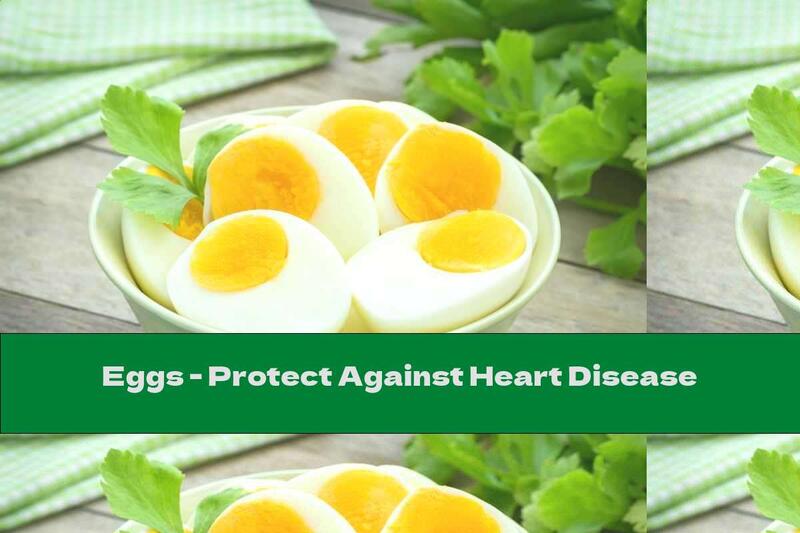
In this article, learn more about Eggs - Protect Against Heart Disease. Eggs contain selenium, which prevents cardiovascular disease..
Eggs are a superfood that is a source of protein, but also of the vitamins and nutrients the body needs. Eggs contain B vitamins, which are needed to convert food into energy. The protein contains vitamins B2 and B3, and the yolk - B5, B6, B12, as well as folic acid . Eggs are also good sources of vitamin D, E, K, calcium, zinc and selenium.
Eggs protect against cardiovascular disease
The egg is rich in selenium , a powerful anti-inflammatory substance. Mineral deficiency is associated with a reduced risk of some cardiovascular diseases.
Eggs are a good source of choline
Choline is needed for some important physiological functions such as metabolism , neurological development, muscle control and more. One medium egg contains approximately 100 mg of choline.
Eggs are good for the eyes
Eggs and especially yolks contain the antioxidants lutein and zeaxanthin , which protect the eyes from disease. They are also effective in preventing macular degeneration. Eggs are also high in vitamin A, which is deficient in weight loss and even vision loss .
Eggs saturate the stomach for a long time
Eggs are rich in amino acids, but also charge the body with energy. An average egg contains approximately 75 calories. Studies show that people who eat an egg for breakfast feel full for longer and have higher energy levels while also consuming fewer calories during the day.
Eggs reduce the risk of breast cancer
To prevent the formation of cancer cells, eggs should be added to the diet. The choline they contain is associated with a reduced risk of breast cancer. Other studies also show that women who consume less than two eggs a week are at higher risk of developing the disease.
Eggs are also good for bones
They contain vitamin D, which is essential for bone health and strength and for preventing rickets and osteoporosis. The vitamin is also needed to absorb calcium, which maintains optimal bone health.
Related Articles
Top Nutrition Articles Today
- . Nutrition In Cardiomyopathy
- . The Complete Guide to the Diabetic Diet: Key Components, Ben...
- . The Truth About Potato Chips: Health Effects and Alternative...
- . Sardines - Good For Bones
- . List of Foods that Contain Carrageenan: A Guide to Avoiding...
- . The Importance of Magnesium Chloride in Nutrition: Benefits...
- . Understanding Emulsifier E471: Functions, Health Concerns, a...
- . How To Deal With Cancer Overweight
- . The Ultimate Guide to Bolay Nutrition Calories: Balancing, M...
- . 7 Foods That Stimulate The Release Of Serotonin And Dopamine