How To Deal With Spontaneous Leakage Of Breast Milk
 Author: Maryam Ayres
Time for reading: ~3
minutes
Last Updated:
August 08, 2022
Author: Maryam Ayres
Time for reading: ~3
minutes
Last Updated:
August 08, 2022
CHAPTERS (Table Of Contents)
In this article, learn more about How To Deal With Spontaneous Leakage Of Breast Milk. Spontaneous leakage of breast milk can occur due to a number of factors such as.
Some breastfeeding mothers may experience spontaneous leakage of breast milk, especially if they are full. If this happens to you, do not rush to worry - this is not a bad sign. The condition can be unpleasant and uncomfortable, but this is how milk production is improved.
When does breast milk run out spontaneously?
Spontaneous leakage of breast milk can occur due to a number of factors such as:
- full breasts - due to missed breastfeeding, missed pumping or the result of a longer night break in which you do not breastfeed;
- taking a hot shower - the heat stimulates the release of milk;
- breastfeeding - when the baby is breastfeeding from one breast, breast milk may spontaneously leak from the other. This is normal because breastfeeding stimulates the release of milk;
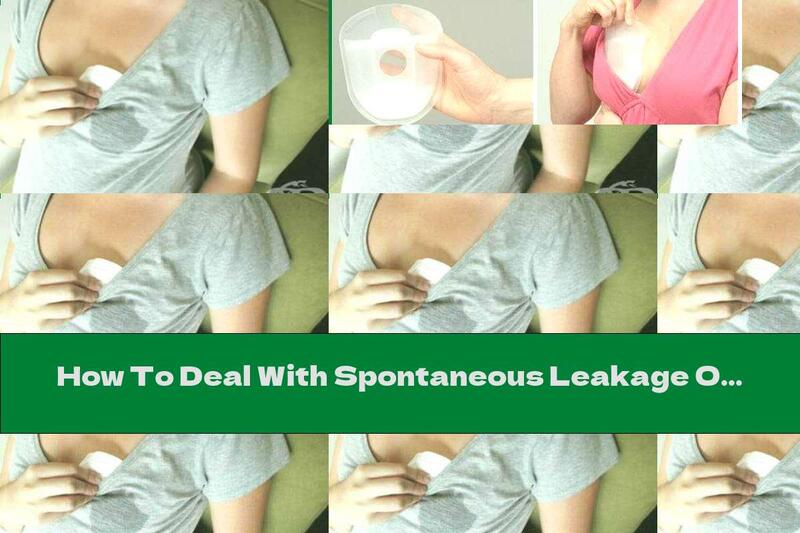
- pressure on the chest - this can be done when using silicone correctors (discs) to form flat or sunken nipples. The discs are round with a central hole. Their use can put pressure on the breast, causing spontaneous leakage of breast milk.
In addition to the physical triggers, the emotional ones are also important for the flow of breast milk. Milk can flow spontaneously from the breast if you just talk about the baby, think about him, inhale his scent or hear him cry.
There is a case when the flow of breast milk does not stop between feedings of the baby. These can be conditions resulting from chronic fatigue, nervousness, sleep deprivation.
How to deal with this inconvenience?
- First of all, choose a suitable bra that supports the breasts well and would help reduce the spontaneous leakage of breast milk.
- Wear clothing that may cover the stains from the milk.
- It is especially important to keep your breasts clean and dry to prevent nipple injury or infection. Use nursing pads for this purpose. There are a variety of pads to choose from:
- absorbent for single use - cotton with a moisture resistant outer layer. There are stickers attached to the back surface, with the help of which the pads are attached to the bra.
- absorbent for multiple use - they are made of cotton lining and are usually suitable for washing in the washing machine and drying in the dryer. - non-absorbent pads - made of medical silicone. They work by applying light pressure to the nipple, not absorbing the milk and preventing it from leaking.
- Feed your baby before your breasts become full. If they are full before feeding or the baby does not want to feed - use the breast pump. It is desirable that the expressed milk be in an amount that will relieve the tension in the breasts, but not so much as to further stimulate milk production. You could offer the expressed milk at the time of feeding the baby, so that it does not stimulate the milk production itself.
- If one breast always leaks when the baby sucks on the other, apply a towel or use breastfeeding pads. Specially developed pads storing the leaking milk are also an option.
Not all women feel when the milk flows. In most cases, it is almost never felt. That's why it's good to be prepared! When you are outside, always place and bring extra pads.
How long will it last?
This discomfort usually occurs between the 1st and 6th week after birth. This is the period in which the amount of milk produced must be regulated.
- How to feed a breastfeeding woman
- Diarrhea in breastfed babies
- How to eliminate nighttime breastfeeding
- Natural means of stopping breast milk
Related Articles
- Nutrition for Respiratory Health: Supporting Your Lungs with the Right Foods
- The Power of Milk: Nutritional Benefits for Health and Wellness
- The Ultimate Guide to Milk Powder in Nutrition: Benefits, Recipes, and More
- The Ultimate Guide to Shaken Espresso Oatmilk: Benefits and Recipe
- The Importance of Breast Milk Color in Nutrition: Understanding Nutritional Insights
Top Nutrition Articles Today
- . The Relationship Between The Liver And Hemoglobin: We Unders...
- . List of Foods that Contain Carrageenan: A Guide to Avoiding...
- . 30 Grams Of Carbs
- . Foods High In Folate And B12
- . Lamb Kidneys
- . The Role of Nitrogen in Nutrition: Importance and Sources
- . The Role of K12 in Nutrition: Benefits, Sources, and Recomme...
- . High Lycopene Tomatoes
- . The Ultimate Guide to Bugs in Nutrition: Benefits, Types, an...
- . Sepsis