How To Eat Against Bloating?
 Author: Ivan Red Jr.
Time for reading: ~1
minutes
Last Updated:
August 08, 2022
Author: Ivan Red Jr.
Time for reading: ~1
minutes
Last Updated:
August 08, 2022
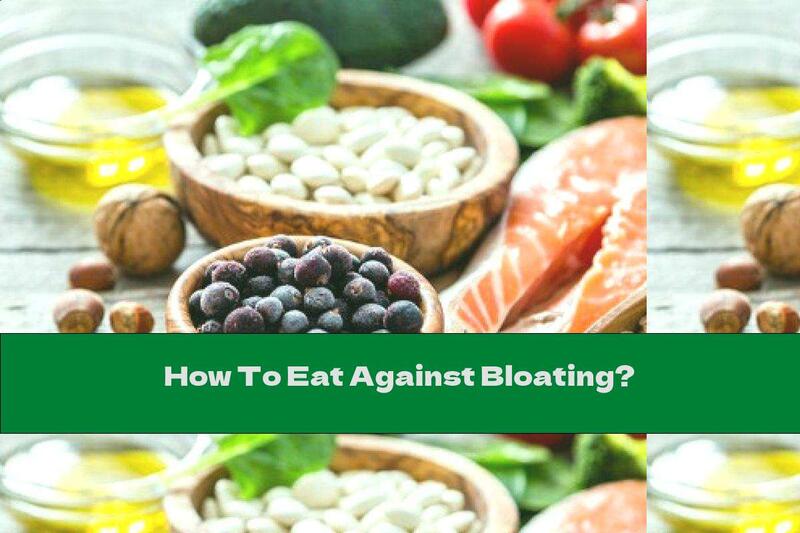
In this article, learn more about How To Eat Against Bloating?. We can prevent bloating by choosing the right, high-fiber foods..
Abdominal bloating is most commonly seen with excessive consumption of fried foods. The unpleasant condition usually goes away on its own, but it does not happen among some. Many people experience this discomfort on a daily basis for no apparent reason. In these cases, it is advisable to make some changes in diet to help alleviate the condition. Here are the foods to focus on…
Breakfast . As the first meal of the day, breakfast should be rich in nutrients. It can include a glass of oatmeal, a glass of a mixture of raisins and almonds and a glass of low-fat milk. It is important for breakfast to be filling and rich in fiber to help digestion.
Intermediate meal before lunch. If we feel hungry, we can eat low-fat yogurt and some fruit. Instead of consuming sweetened and carbonated drinks, it is advisable to choose fresh fruit juice or water .
Lunch. For the second main meal of the day we can choose a cup of brown rice, along with a cup of tofu or cottage cheese cooked with a little vegetable oil. A high-fiber lunch helps slow the release of gas , which helps with bloating.
Snack in the afternoon. Consumption of about 20 g of roasted peanuts would be useful for this diet. They not only help against flatulence , but also prevent constipation and heartburn.
Dinner. At the end of the day, it is advisable to stay away from foods that are high in sugar and salt , as they can further aggravate bloating. Therefore, we should consume light and filling food. One such example is wholemeal bread with grilled chicken breast or two cups of green leafy vegetables.
Related Articles
- Peanuts For The Heart, Against Stroke And Cancer: 13 Scientifically Proven Facts About The Benefits Of Peanuts
- Social Initiatives In The Fight Against The Coronavirus
- A Popular Drink Against Cancer, Stroke, Obesity And Diabetes: 10 Useful Properties Of Green Tea
- Ayurvedic Rules Against Covid-19
- The Fight Against Fat: Part I
Top Nutrition Articles Today
- . Steak Label
- . Healthy Food For Modern Man
- . Amino Acids in Nutrition: Importance, Types, and Optimizatio...
- . The Diet �������� 7: A Comprehensive Guide to Nutrition and...
- . How To Know The Real Ice Cream?
- . Sea Buckthorn: Health Benefits And Harms
- . How To Fry Porcini Mushrooms
- . The Ultimate Guide to Calcium Inosinate in Nutrition: Benefi...
- . Net Zero
- . Lychee - A Small Fruit, But Useful And Tasty