Kumquat
 Author: Ivan Red Jr.
Time for reading: ~2
minutes
Last Updated:
August 08, 2022
Author: Ivan Red Jr.
Time for reading: ~2
minutes
Last Updated:
August 08, 2022
CHAPTERS (Table Of Contents)
In this article, learn more about Kumquat. Kumquat - nutritional value, health benefits and contraindications.
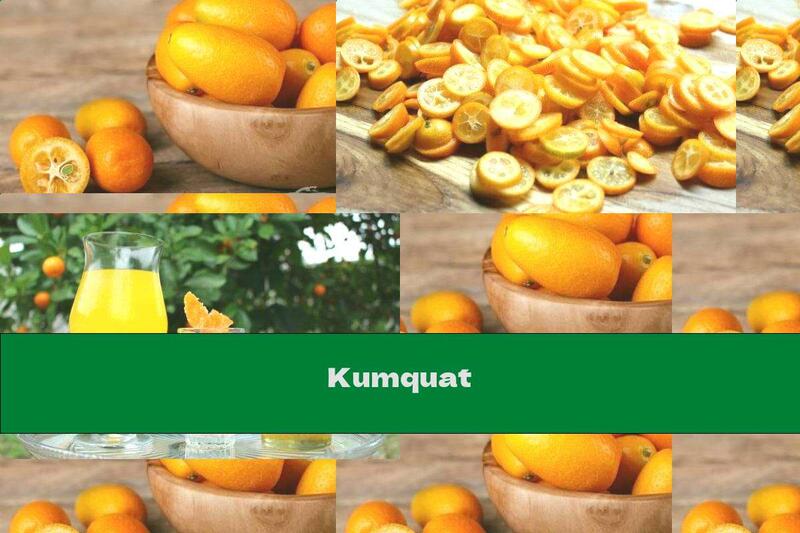
Tasty and sweet, the kumquat fruit is a winter-spring citrus belonging to the Rutaceae family, genus Fortunella. It was brought from China to Europe in the middle of the 19th century by the Scottish botanist Robert Fortune, which is why it is also called the Chinese mandarin.
The trees are small in size and evergreen. In winter, they bear several hundred orange fruits, resembling a mandarin, but with an elongated shape. Their flesh is juicy with 1-2 seeds, which are bitter and are not consumed. Due to their distinctive taste, today they are grown in many parts of the world, even as ornamental trees - China, Japan, Greece, USA, Israel, Brazil, Argentina, Spain, Italy, etc.
Health benefits
Kumquat has an equivalent caloric content with that of grapes. 100 grams of fresh fruit contain only 71 calories. However, they are an extremely valuable source of phytonutrients, such as dietary fiber, minerals, vitamins and anti-oxidants, which have many benefits for our health.
The fruit is eaten with the peel, which distinguishes it from all other citrus fruits. Its bark is rich in many essential oils, antioxidants and fiber. 100 grams of whole fruit provides the body with 6.7 grams or 17% of the recommended daily intake of fiber, including tannins, pectin, hemicellulose and other starch-free polysaccharides.
Fresh kumquat contains healthy polyphenolic flavonoid antioxidants such as carotene, lutein, zeaxanthin, tannins, etc. Its bark provides important essential oils that give the specific aroma of the fruit.
In addition, fresh fruits contain the antioxidant vitamins A, C and E. These phytochemicals help the body fight free radicals, thus protecting it from cancer, diabetes, degenerative diseases and infections.
Like oranges, kumquat is a rich source of vitamin C. Only 100 grams of fruit provides the body with 47.9 grams or 73% of the recommended daily intake. It is a well-known fact that vitamin C is a powerful antioxidant that is involved in the synthesis of collagen and helps heal wounds. It has anti-viral and anti-cancer properties, helps prevent neurodegenerative diseases, arthritis, diabetes, etc. It also facilitates the absorption of iron from food.
Kumquat fruit also contains B vitamins, such as thiamine, niacin, pyridoxine, folate and pantothenic acid. They play the role of co-factors in the metabolism of carbohydrates, proteins and fats.
In addition, the fruit is a moderate source of minerals such as calcium, copper, potassium, manganese, iron, selenium and zinc. Calcium is a key element in building bones and teeth. Copper is needed in the production of red blood cells. Iron is needed for the formation of red blood cells, as well as for supplying cells with oxygen.
Selection and storage
The fruits are available from November to June. When buying kumquat, choose a fruit that is firm, smooth and with a bright orange color. Avoid unripe green fruits or those with skin lesions.
At room temperature you can store them for 3-4 days, and in the refrigerator for up to 3 weeks. Kumquat puree can be frozen and used within six months.
Culinary use
The kumquat must be fully ripe before being detached from the tree. It can be eaten fresh, candied, added to salads or served as a side dish. It is best to flatten or squeeze slightly, as this will combine the flavors of the meat and the rind.
Application ideas:
- fruit salads;
- headsets;
- marmalades, jams and marmalades;
- sauces;
- fruit concentrates;
- pastries;
- marinade for chicken and lamb or seafood.
Contraindications
Like all other citrus fruits, kumquat can be consumed without danger to pregnant women, nursing mothers and children.