Nuts Against Metabolic Syndrome
 Author: Ivan Red Jr.
Time for reading: ~1
minutes
Last Updated:
August 08, 2022
Author: Ivan Red Jr.
Time for reading: ~1
minutes
Last Updated:
August 08, 2022
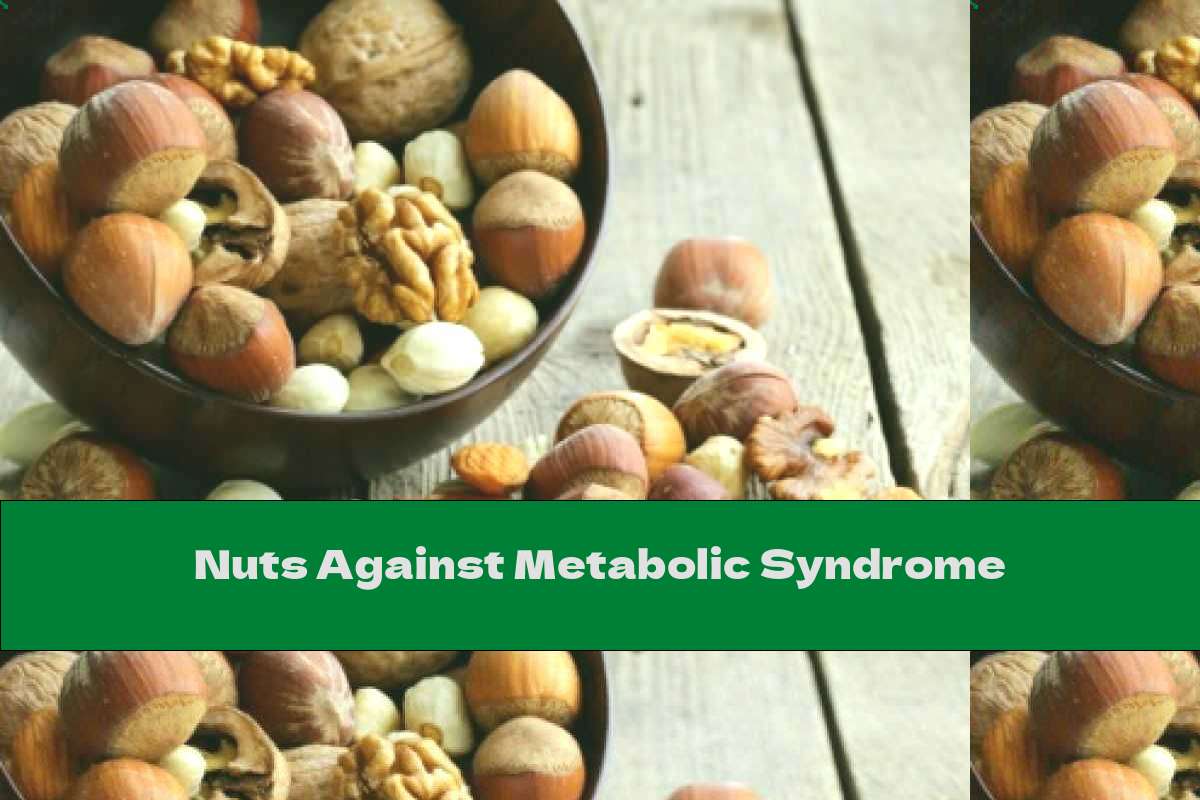
Those who consume a handful of nuts - about 12.9 g, at least three times a week, are at lower risk of developing metabolic syndrome.
Nuts are a great choice for an afternoon snack as they provide a steady supply of energy . Moderate consumption of nuts improves cardiovascular health and protects against metabolic syndrome among teenagers, according to a new study.
It is found that those who consume a handful of nuts - about 12.9 g, at least three times a week, are at lower risk of developing metabolic syndrome . It is considered a symptom of an increased risk of heart disease and type 2 diabetes.
To determine the benefits of eating nuts, the researchers analyzed data from 2,233 participants between the ages of 12 and 19. They took part in a National Health and Nutrition Survey conducted in the period 2003-2010.
According to researchers at the University at the Southwestern Medical Center, it has surprisingly been found that most teenagers rarely eat nuts and are also unaware of the benefits of consuming them.
Researchers claim that the risk of developing metabolic syndrome decreases with each gram of nuts added to the diet, but consumption should not exceed 50 g per day. Eating too much can add a lot of calories to your diet.
A number of studies have shown other benefits of eating different nuts, such as pistachios are good for the immune system due to the content of vitamin B6 .
Almonds support the brain and heart, peanuts - provide beneficial elements to the skin .
Related Articles
- The Power of Peanuts: Nutritional Benefits, Recipes, and More
- The Power of Peanuts: Nutritional Benefits for Health
- The Nutritional Benefits of Peanuts: A Complete Guide
- The Ultimate Guide to Diet �������� 14 for Weight Loss and Metabolic Health
- The Power of Fasting in Nutrition: Benefits for Metabolic Health, Weight Management, and Longevity
Top Nutrition Articles Today
- . The Importance of Carotene in Nutrition: A Complete Guide
- . The Ultimate Guide to Lean Meat in Nutrition: Benefits, Type...
- . Camel Meat
- . The Role of Water in Nutrition: Importance and Benefits
- . The Role of e633 in Nutrition: Enhancing Flavor in Food Prod...
- . 7 Foods For Bigger And Firmer Breasts
- . The Truth About Potato Chips: Health Effects and Alternative...
- . Highest Calorie Foods In The World
- . Peanut Butter - Composition, Benefits And Harms Of Its Consu...
- . The Ultimate Guide to Cod Liver: Benefits, Nutrition, and Re...