Parsley (leaves)
 Author: Dean Rouseberg
Time for reading: ~3
minutes
Last Updated:
January 27, 2026
Author: Dean Rouseberg
Time for reading: ~3
minutes
Last Updated:
January 27, 2026
CHAPTERS (Table Of Contents)
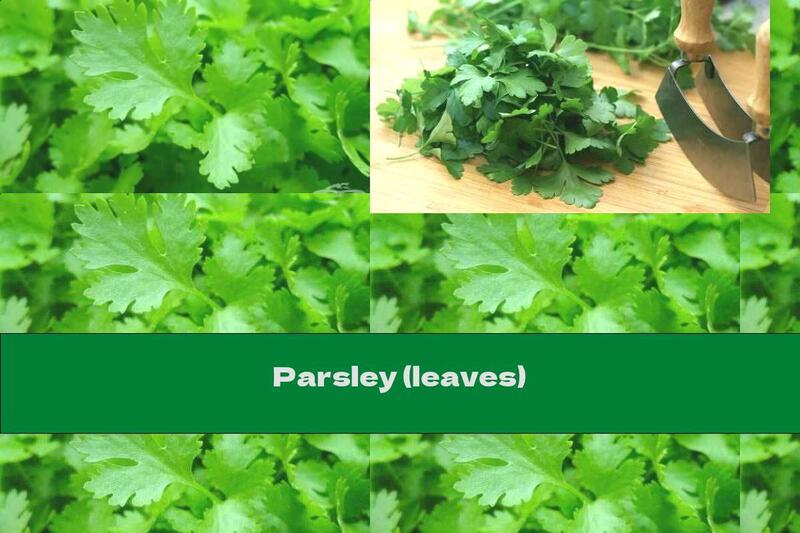
Parsley (maidan, merudia, parsley) contains useful substances and minerals. It contains significantly more vitamin C than many fruits and vegetables. Also vitamins B1, B2, PP, E; calcium, magnesium and iron salts.
Parsley (maidan, merudia, parsley) is a small green plant of the Umbelliferae family. It is grown throughout Europe, as well as in southern Canada and the northern United States, in Asia, Siberia and the Far East. It is one of the most common herbs. We add it to salads, use it as a spice, but we hardly think about its useful properties. This is a particularly useful product, widely used in traditional folk medicine for the treatment of various diseases. Parsley is a real source of nutrients and minerals. For example, it contains significantly more vitamin C than many fruits and vegetables. It is rich in nutrients: vitamins A, C, E, K and B, folic acid, niacin (vitamin PP), magnesium, potassium, calcium, sulfur, chlorine, phosphorus, sodium, iron, iodine, manganese, copper, zinc, fluorine.
Health benefits
In folk medicine, parsley is used in diseases of the genitourinary system, gallstones, kidney stones, decreased strength, loss of appetite, also to improve vision.
It is a great helper in anorexia, depression, ulcers and gastritis, as well as in chronic rheumatism and digestive disorders. It is indispensable for regulating the activity of the liver and kidneys, stimulates the secretion of digestive enzymes, whitens teeth, strengthens gums, enhances intestinal peristalsis and normalizes metabolism.
It is also used to normalize high blood pressure, as an excellent choleretic, diuretic and tonic. It is also used to normalize metabolism and glucose levels due to the content of the natural polysaccharide inulin in it. It also increases the digestibility of manganese, restoring bones. Maidan can be used as a natural breath freshener.
Parsley juice is used for the normal functioning of the adrenal glands, thyroid gland, as well as to strengthen blood vessels. It is also used in diabetes, curtains, conjunctivitis, ophthalmia, cataracts, some diseases of the genitourinary system, dropsy and to improve respiration and cardiovascular function. This juice has a very strong effect, so it should not be taken in its pure form. It is better to combine with carrot juice, spinach or celery and then consume.
Use in cooking
Maidan is one of the most commonly used spices. There is virtually no major ingredient in American, European, African and Eastern cuisine. It is consumed fresh, dried and frozen. There are two types of parsley - plain and curly. Useful and widely used in both species are the roots, leaves and seeds. The leaves of the plant are added to sandwiches, salads, spaghetti, pizza, pies, meat, fish, mushroom dishes, soups; often used for decoration. Combines well in dishes with rice, potatoes, meat and poultry. In southern Europe, parsley is part of a traditional blend of herbs for soups or sauces.
Contraindications
Parsley, like other herbs, is contraindicated in certain people and diseases. First of all, this applies to pregnant women, especially during the first trimester. Because the plant has a pronounced diuretic effect, its use in large quantities can even provoke a miscarriage. Stimulates the smooth muscles of the uterus and can cause premature birth. Therefore, to avoid such cases, you should exclude these greens from the diet during pregnancy. The same goes for breastfeeding mothers.
The fact is that parsley contains essential oils that can affect the baby through breast milk. They can lead to aggression and irritability, which is completely undesirable for young children.
Contraindications to the consumption of parsley also include the presence of diseases such as nephritis, gout and acute cystitis. If a person is prone to kidney stones, he should limit the consumption of this product, as the oxalates contained in it can adversely affect the condition of the body. It should also be avoided by people with hypersensitivity of the skin due to the possible occurrence of photodermatitis.
- Parsley juice
- Parsley (root)