Pistachio - Against Lung Cancer
 Author: Alexander Bruni
Time for reading: ~1
minutes
Last Updated:
August 08, 2022
Author: Alexander Bruni
Time for reading: ~1
minutes
Last Updated:
August 08, 2022
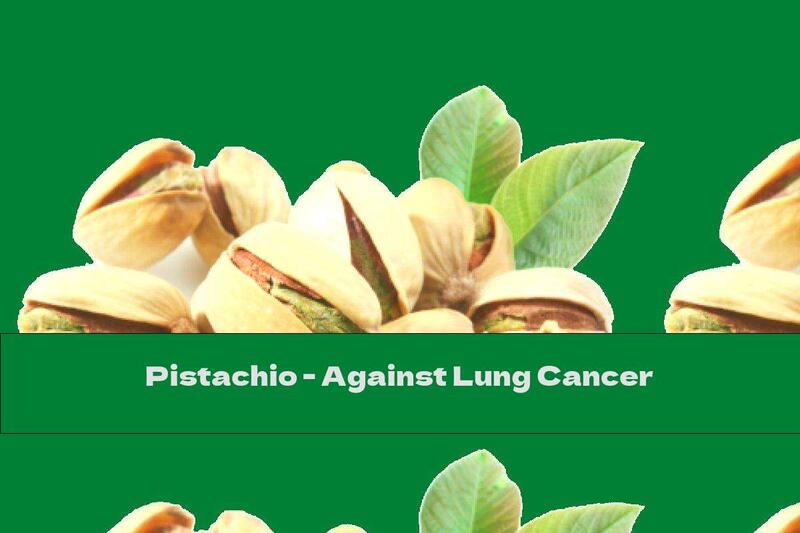
Along with broccoli, pistachios have won applause from oncologists around the world.
Vitamin E is known as a safe antioxidant. According to Dr. Ladia Hernandez of the University of Texas Medical School, a special representative of vitamin E, gamma-tocopherol, is extremely potent in this regard.
Pistachios are an excellent source of gamma-tocopherol and their regular consumption can significantly reduce the risk of lung cancer, researchers say. It is true that their antioxidant properties are weak, and cholesterol-lowering properties depend individually on the metabolism of the host, but only a handful a day of these nuts can significantly reduce the risk of developing tumors in the lungs.
The content of lutein, carotene and tocopherol in pistachios is much higher than in other nuts. All three components are important and useful fat-soluble vitamins.
The basic principle of action of tocopherols and what makes them special is that they are a kind of chemical "trap" for reactive nitrogen oxides - toxic compounds that damage tissues if not removed from the body. As a member of the vitamin E family, the gamma compound binds to the toxin and aids in its excretion.
For those allergic to peanuts, there is another source of gamma-tocopherol - cereals, mainly cereals. Vegetable oil can be extracted from them or consumed directly. Only one hundred grams of such purified oil contains over 215 milligrams of tocopherols, mainly in gamma form.
Related Articles
- Nutrition for Respiratory Health: Supporting Your Lungs with the Right Foods
- Nutrition for Healthy Lungs: Key Nutrients and Foods to Support Respiratory Function
- Nutrition for Healthy Lungs: Best Foods and Tips for Lung Health
- Optimizing Lung Health Through Nutrition: Key Nutrients, Recipes, and Tips
- Nutrition for Lung Health: Best Foods and Tips for Respiratory Support
Top Nutrition Articles Today
- . Health Benefits And Harms Of Cocoa, How To Drink, Recipes
- . Steak Label
- . Nutrition By Blood Type: Table Of Allowed And Prohibited Foo...
- . Grapefruit - For Colds And Flu
- . The Nutritional Benefits of Yellow Maize: A Versatile Grain...
- . Myra E: Benefits for Nutrition, Diets, and Recipes
- . The Ultimate Guide to Potassium Nitrate in Nutrition
- . The Ultimate Guide to Hickory Smoked Bacon in Nutrition and...
- . How To Freeze Quince
- . The Truth About Potato Chips: Health Effects and Alternative...