Rapeseed Honey
 Author: Dean Rouseberg
Time for reading: ~3
minutes
Last Updated:
January 27, 2026
Author: Dean Rouseberg
Time for reading: ~3
minutes
Last Updated:
January 27, 2026
CHAPTERS (Table Of Contents)
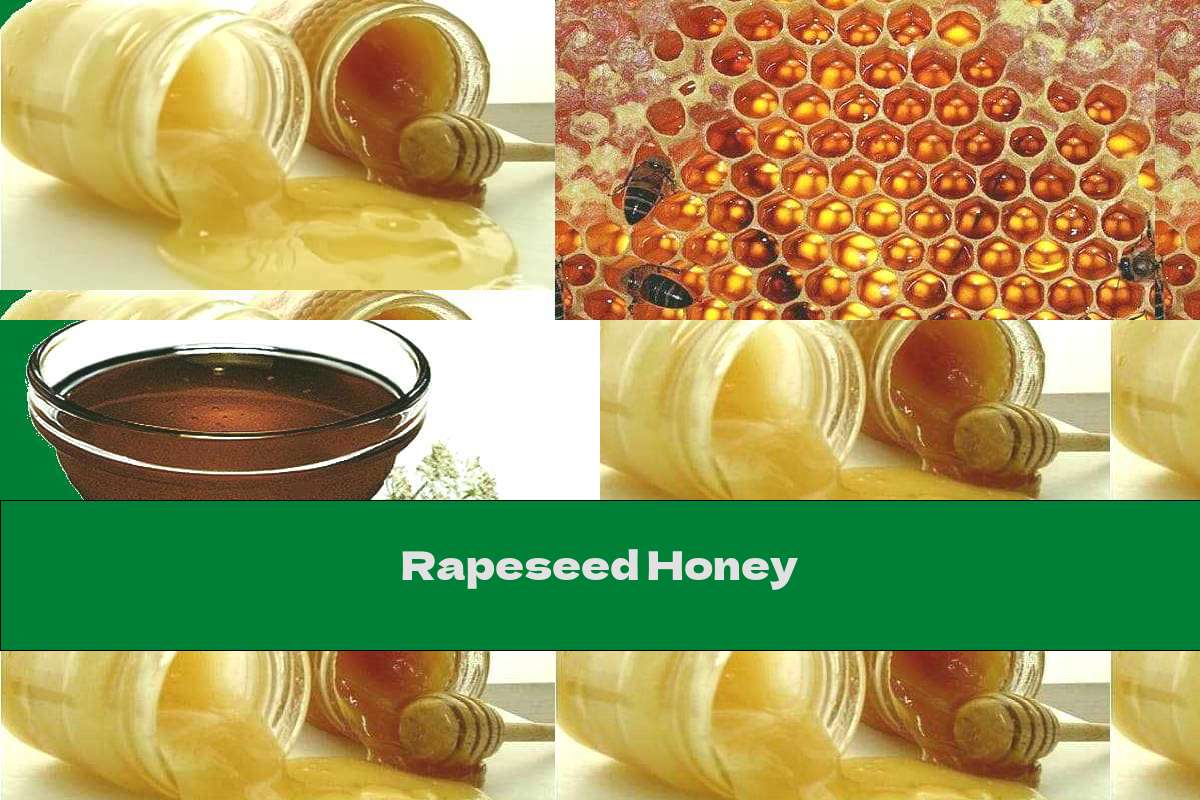
In this article, learn more about Rapeseed Honey. Rapeseed honey.
Rapeseed honey is a product with uncharacteristic taste and aroma, quickly crystallizes and becomes acidic, difficult to dissolve in water.
The benefit
Like any other honey, rapeseed contains the typical biologically active substances, having its beneficial effects on the body. It removes slag, toxins and heavy metal compounds from the body, helps with various poisonings.
The golden sweetness contains B vitamins (B2, B3, B5, B6, B9), which are important for the normal functioning of the central nervous system. Honey fights irritability and fatigue, depression and stress.
B vitamins are important for the body and in terms of the implementation of metabolic processes, this explains the beneficial effect of the product on metabolism. Taking it on an empty stomach is good for the figure, bee fluid is included in the menus of diets for weight loss. In addition, it normalizes the level of cholesterol in the blood, improves the activity of the cardiovascular system, participates in the formation of hemoglobin.
Rapeseed honey is not as sweet as other varieties of the product. It is recommended for consumption in gastric and intestinal ulcers. Stimulates the production of gastric juice, suppresses nausea.
The amount of glucose in the bee product is high, which means that it is a source of energy for the body. Consumption by people who do hard mental and physical work is appropriate.
The chemical composition of honey includes potassium, calcium, phosphorus, magnesium - substances that are important for complete hematopoiesis. Macronutrients strengthen the heart muscle, capillary walls, maintain bone strength.
Rapeseed sweetness is not as useful as that of acacia or linden, for example, but this does not mean that it should be neglected, because it has a positive effect on human health and beauty.
In folk medicine, rapeseed honey is used to treat cough, has a beneficial effect on the mucous membrane of the nasopharynx, has an expectorant effect.
This type of bee sweetness does not heat up like linden, but when consumed with warm milk it has a diaphoretic effect (accelerates sweating), helps to fight colds faster.
The antispasmodic effect of honey is indispensable for muscle pain during fever, high fever. The product is taken internally with a hot drink.
Externally applied for faster healing of burns and wounds.
Its regenerative properties are explained, above all, by its high nutritional value. The product is rich in glucose, sucrose, dextrins.
The golden liquid is appreciated by women because of its cosmetic action: it strengthens the hair, restoring its healthy color, nourishes it, removes fine wrinkles on the skin. Therefore, various homemade masks are prepared from rapeseed honey.
Harm and contraindications
One month after collection, honey begins to become sugary, but all its useful properties are preserved.
Heating the product to 40 degrees completely deprives it of its healing properties, and when heated to 60 degrees, hydroxymethylfurfural is formed - a carcinogenic substance that in large doses is dangerous to human health. Small amounts of the compound depress the central nervous system. The longer the rapeseed honey is stored, the more hydroxymethylfurfural is formed in it.
In order for the product to be useful, it must be consumed fresh.
Bee sweets should not be taken by people who are allergic. Signs of an allergic reaction are itching, urticaria, skin inflammation, in severe cases - angioedema (Quincke's edema / edema).
The high amount of glucose in rapeseed honey makes it an unsuitable product for diabetics. It should be taken with caution in such cases, and in severe forms of the disease should be completely excluded from the menu.
Pregnant women should also limit their consumption of honey, as an allergic reaction may occur due to changes in hormonal background.
Rapeseed product should be given to children over 1 year of age if they are not allergic.
Nutritional value
|
Nutrients |
Quantity per 100 g, in grams |
% of the recommended daily dose |
|
Protein |
0.3 |
1.2 |
|
Fat |
0 |
- |
|
Carbohydrates |
82.4 |
34.6 |
|
From them: Fructose Glucose Sucrose |
31 25.5 0.82 |
|
|
Water |
17.10 |
Vitamins and minerals
Vitamins:|
Name of the element |
Quantity in 100 grams of the product |
% of daily requirement |
|
B 2 (riboflavin) |
0.038 mg |
1.7 |
|
B 3 (nicotinic acid) |
0.121 mg |
1.5 |
|
B 5 (pantothenic acid) |
0.068 mg |
1.7 |
|
B 6 (pyridoxine) |
0.024 |
4 |
|
B 9 (folic acid) |
2 mcg |
0.5 |
|
C (ascorbic acid) |
0.5 mg |
0.5 |
|
Name of the element |
Quantity in 100 grams of the product |
% of daily requirement |
|
Calcium |
6 mg |
0.6 |
|
Iron |
0.42 mg |
2.3 |
|
Magnesium |
2 mg |
0.5 |
|
Phosphorus |
4 mg |
0.5 |
|
Potassium |
52 mg |
2.1 |
|
Zinc |
0.22 mg |
1.8 |
|
Sodium |
4 mg |
0.3 |
- Rapeseed oil
- Acacia honey
- Lavender honey
- Chestnut honey
Related Articles
- The Power of Honeysuckle: Health Benefits and Recipes
- Fruitskewers in Honey Syrup: Nutritional Benefits and Recipes
- Nutritional Benefits of Fruit Skewers in Honey Syrup: A Delicious and Healthy Recipe
- Nutrition Guide: Fruitskewers in Honey Syrup - Benefits, Recipes, and More
- Nutritional Benefits of Fruit Skewers in Honey Syrup: A Healthy and Delicious Snack
Top Nutrition Articles Today
- . Foods Containing Carrageenan: A Comprehensive Guide for Your...
- . Foods For A Regular Stomach
- . The Truth About Potato Chips: Health Effects and Alternative...
- . Medicinal Drinks For Colds
- . The Nutritional Benefits of Figs: A Fiber-Rich Fruit Packed...
- . How To Cook Pork Liver And Mushrooms In Cream Sauce With Che...
- . List of Foods that Contain Carrageenan: A Guide to Avoiding...
- . Camel Meat
- . The Ultimate Guide to Creating a Well-Structured Diet Plan f...
- . Highest Calorie Foods In The World