Shigella - The Cause Of Dysentery. Microbiology
 Author: Nia Rouseberg
Time for reading: ~1
minutes
Last Updated:
August 08, 2022
Author: Nia Rouseberg
Time for reading: ~1
minutes
Last Updated:
August 08, 2022
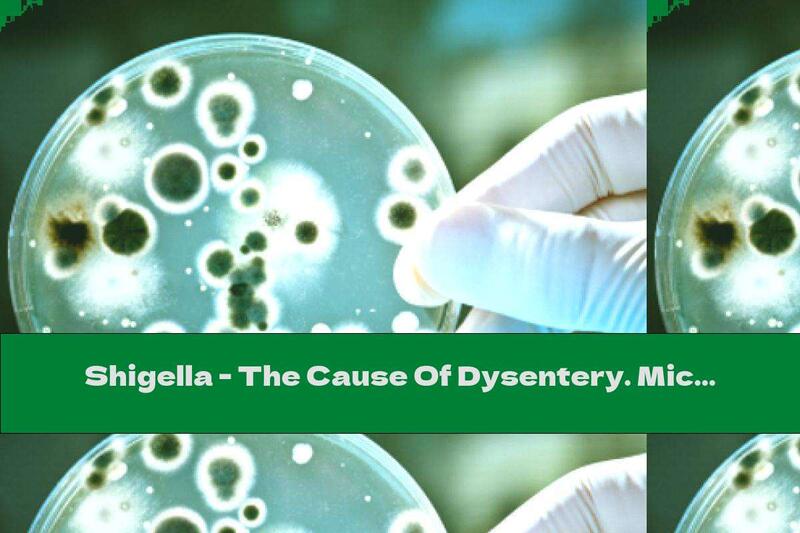
In this article, learn more about Shigella - The Cause Of Dysentery. Microbiology. Microbiological diagnosis is essential.
The causative agents of the infectious disease shigellosis belong to the family Enterobacteriaceae , genus Shigella. Gram - negative bacteria that do not form spores, and the most common pathogenic strains for humans are Shigella dysenteriae, Shigella flexneri, Shigella boydii and Shigella sonnei. Shigella dysenteriae leads to the development of a severe clinical picture, but is unstable when released into the environment compared to other strains.
The main mechanism of spread is faecal-oral. The infection is transmitted by a sick or infected person. Another way to spread is the contact-household mechanism. The mechanical vectors of infectious agents also play a role in it, namely various insects, most often flies.
It has a characteristic seasonality - mainly the summer and autumn months. Usually the cases are sporadic, toxins that are synthesized by bacteria - endo- and exotoxins - are related to the intoxication syndrome.
Infection with Shigella dysenteriae requires only a few bacteria - about 10, while in other species - at least 100. In both cases, the infectious dose is small, which facilitates the infectious process.
After ingestion, passing through the gastrointestinal tract, some bacteria die under the action of gastric juice, and other vital microorganisms reach the lining of the colon, where they lead to the development of ulcerative changes, inflammation and subsequent diarrhea with blood and mucus (intestinal). sputum).
A microbiological examination of a patient's faecal sample is used for diagnosis. It is important to inoculate quickly after a stool sample , because the microorganisms are unstable and die quickly.
Controlling the survivors is essential. Patients with two negative faecal samples are considered cured. For those working in food establishments and units, it is necessary to obtain four negative faecal samples, which are taken every few days. Contacts are monitored within a week.
To date, no specific prophylaxis (serums, vaccines) has been developed. It is essential to observe strict hygiene - wash your hands before eating, wash fruits and vegetables with plenty of water, control water sources.
Related Articles
- Nutrition and Bloating: Causes, Diets, Recipes, and Supplements
- Nutrition and Gastroparesis: Causes, Symptoms, and Dietary Recommendations
- Nutrition and Liver Cysts: Causes, Impact, and Recommended Diet
- Glossitis and Nutrition: Causes, Diet Impact, Foods, Supplements
- Understanding Hepatic Cysts: Causes, Symptoms, and Treatment Options