Which Foods Are Thought To Protect Against Cancer?
 Author: Dean Rouseberg
Time for reading: ~2
minutes
Last Updated:
August 08, 2022
Author: Dean Rouseberg
Time for reading: ~2
minutes
Last Updated:
August 08, 2022
CHAPTERS (Table Of Contents)
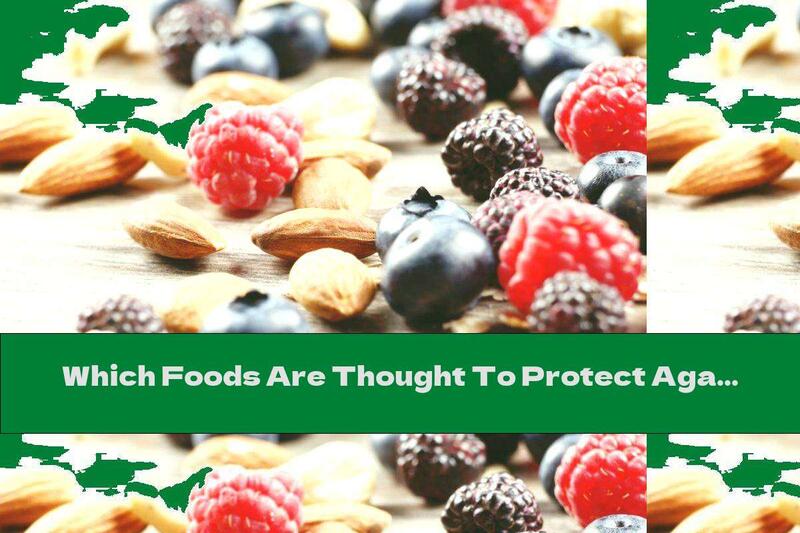
Berries are high in anthocyanins, which have antioxidant properties and may be associated with a reduced risk of cancer.
It is becoming increasingly clear from various new studies that diet can have a major impact on the risk of cancer.
Although there are many foods that have the potential to reduce the spread and growth of cancer cells , current research is more limited to laboratory conditions. More research is needed to understand how these foods can directly affect the development of cancer in humans.
A sure bet is that a proper diet, combined with a healthy lifestyle, will improve many aspects of human health. Other foods besides cruciferous vegetables, carrots and beans that can reduce the risk of cancer are:
Forest fruits
Berries are high in anthocyanins (water-soluble pigments), which have antioxidant properties and may be associated with a reduced risk of cancer.
In a study of patients with colorectal cancer who were treated with cranberry extract for 7 days, a reduction in tumor growth of 7% was found.
According to another study, the intake of black raspberries , which are rich in antioxidants , by patients with oral cancer reduces the levels of certain markers associated with cancer progression.
Animal studies have shown that the administration of frozen dried black raspberries reduces the incidence of esophageal tumors by up to 54% and reduces the number of tumors by up to 62%.
Similarly, another animal study showed that giving berry extract to rats suppressed several cancer biomarkers.
These studies only look at the effects of a concentrated dose of berry extract and more research is needed in humans.
Cinnamon
Cinnamon is well known for its health benefits, including its ability to lower blood sugar levels as well as relieve inflammation.
Some laboratory and animal studies have shown that cinnamon can stop the spread of cancer cells and cause them to die. Cinnamon essential oil has also been found to inhibit the growth of head and neck cancer cells and also significantly reduce tumor size.
However, more research is needed to understand how cinnamon can affect the development of cancer in humans.
Nuts
According to some studies, the consumption of nuts may be associated with a lower risk of some cancers. A study that tracked participants up to the age of 30 found that regular consumption of nuts was associated with a reduced risk of cancer of the colon , pancreas and endometrium.
Brazil nuts are high in selenium , which can help prevent some cancers.
In an animal study that fed mice walnuts, it was found that the growth rate of breast cancer cells was reduced by 80% and the number of tumors was reduced by 60%.
However, more research is needed in humans to determine whether nuts are responsible for a good response to cancer or other factors are involved.
Related Articles
- Nutrition for Respiratory Health: Supporting Your Lungs with the Right Foods
- The Ultimate Guide to High Gluten Foods: Benefits, Sources, and Recipes
- The Ultimate Guide to High Gluten Foods: Effects, Benefits, and Recipes
- Nutrition and Libido: Enhance Your Sex Drive with the Right Foods
- Understanding E+631 in Nutrition: Health Implications, Common Foods, and Alternatives
Top Nutrition Articles Today
- . Foods Containing Carrageenan: A Comprehensive Guide for Your...
- . Foods For A Regular Stomach
- . The Truth About Potato Chips: Health Effects and Alternative...
- . Medicinal Drinks For Colds
- . The Nutritional Benefits of Figs: A Fiber-Rich Fruit Packed...
- . The Fibroid Diet: Nutrition Strategies for Managing Fibroids
- . How To Cook Pork Liver And Mushrooms In Cream Sauce With Che...
- . List of Foods that Contain Carrageenan: A Guide to Avoiding...
- . Camel Meat
- . The Ultimate Guide to Creating a Well-Structured Diet Plan f...