Which Foods Protect Against Inflammatory Diseases?
 Author: Leticia Celentano
Time for reading: ~2
minutes
Last Updated:
August 08, 2022
Author: Leticia Celentano
Time for reading: ~2
minutes
Last Updated:
August 08, 2022
CHAPTERS (Table Of Contents)
In this article, learn more about Which Foods Protect Against Inflammatory Diseases?. Brightly colored vegetables are useful against inflammatory processes..
More and more scientists are finding a close link between the foods we eat and pain.
About 70% of immune cells are found in the digestive system.
If the immune system is triggered by a bacterium in the food or there is an imbalance of important hormones such as insulin, conditions are created for the development of inflammation.
According to a study published in the American Journal of Clinical Nutrition , processed sugars and other high glycemic index carbohydrates increase the risk of inflammation, which is found on visible surfaces as redness and swelling. Inflammation sometimes creates a sensation of pain.
While inflammation is an important part of the body's healing process, chronic is at the root of many deadly diseases.
Which foods help and hinder the prevention of chronic inflammation?
1. Carefully with the sugar
Large amounts of sugar in the diet increase the so-called end products of advanced glycation, which can provoke the development of inflammation and tissue damage.
As the body tries to break down these products, immune cells secrete inflammatory "messengers" called cytokines. Depending on the genetic predisposition and where these end products appear, they can lead to arthritis, cataracts, heart disease, memory impairment or accelerate the aging process and the formation of wrinkles.
2. Avoid foods to which you are sensitive or allergic
Eating foods you are allergic to destabilizes insulin and causes unhealthy blood sugar levels, leading to more serious inflammation.
High levels of insulin increase cortisol, a stress hormone that contributes to fat retention instead of allowing energy to be burned. Belly fat is thought to be an indicator of chronic inflammation.
3. Fruits and vegetables with bright colors
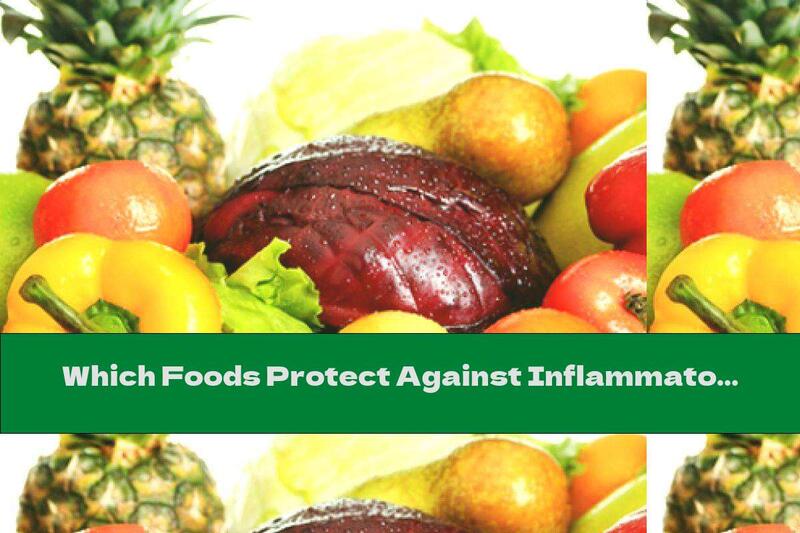
Red radishes, orange sweet potatoes, purple cabbage and dark green vegetables are rich in vitamin C and other antioxidants that are useful against the development of inflammation. Focus on cruciferous vegetables - broccoli, cauliflower, Brussels sprouts, kale and more.
A study published in the Journal of Nutrition found that eating berries every day significantly helps reduce inflammation.
4. Proteins
Beans, chicken and turkey are sources of useful proteins.
Scientists have long warned that eating red meat - beef, pork and lamb - is associated with an increased risk of short life expectancy.
In addition to sodium or nitrates, red meat contains large amounts of arachidonic acid, which can cause inflammation.
5. Olive oil
Avoid refined trans fats and use more olive oil. It is a great source of oleic acid, which makes it a good anti-inflammatory.
According to Spanish researchers, people who consume more oleic acid have better insulin function and lower blood sugar levels.
Related Articles
- Nutrition for Respiratory Health: Supporting Your Lungs with the Right Foods
- The Ultimate Guide to High Gluten Foods: Benefits, Sources, and Recipes
- The Ultimate Guide to High Gluten Foods: Effects, Benefits, and Recipes
- Nutrition and Libido: Enhance Your Sex Drive with the Right Foods
- Understanding E+631 in Nutrition: Health Implications, Common Foods, and Alternatives