Why Do We Need Potassium? Well, Swelling And Cramps In The Summer
 Author: Ivan Red Jr.
Time for reading: ~1
minutes
Last Updated:
August 08, 2022
Author: Ivan Red Jr.
Time for reading: ~1
minutes
Last Updated:
August 08, 2022
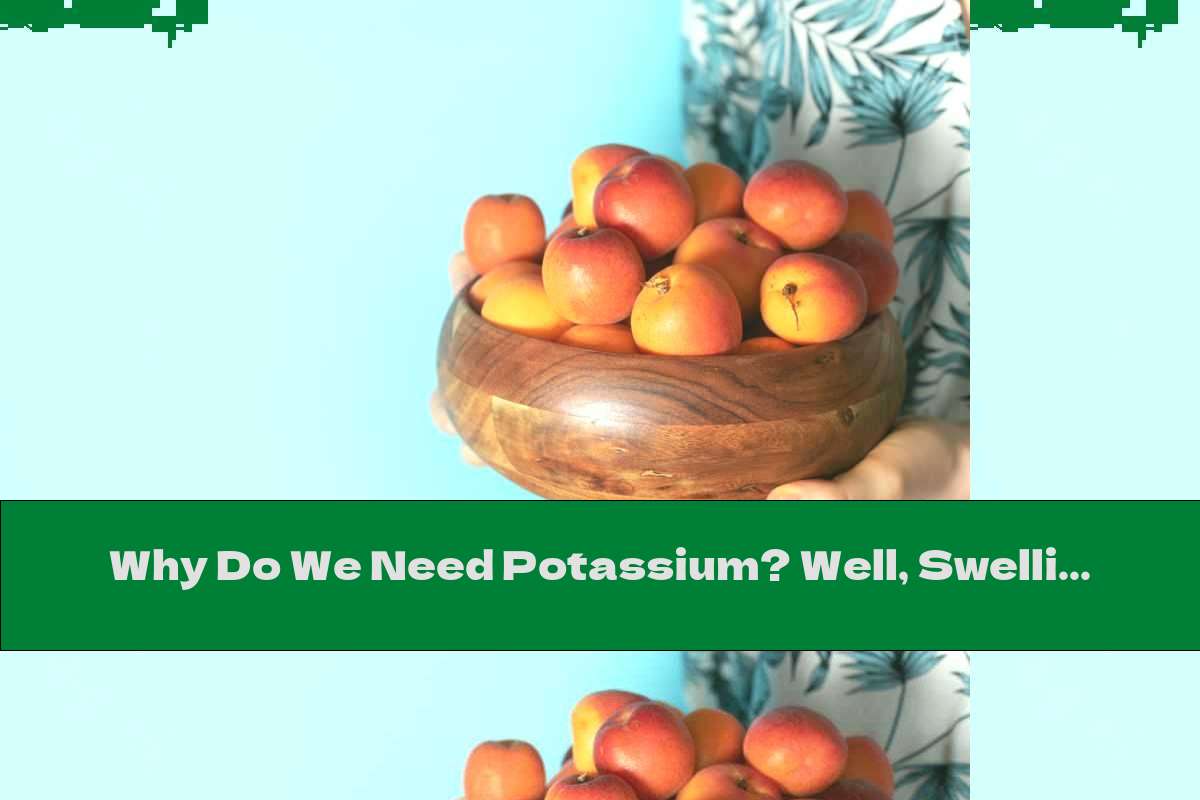
Fluid retention, swelling and muscle cramps in the summer may be due to potassium deficiency.
Potassium is necessary for the proper functioning of the cardiovascular system and blood circulation, helps to adequately maintain blood pressure and muscle tone. It can be said that this is the microelement of the heart.
Potassium, along with sodium, is the most important component of intracellular fluid . Participates in nerve conduction and in the process of muscle contraction, which determines the importance of its proper concentration in the blood for health. Potassium deficiency leads to dysfunction of some of the most important organs.
In summer, potassium deficiency is felt more noticeably. For example, this may be fluid retention, swelling of the legs , experiencing general weakness, drowsiness, dizziness, sharp muscle spasms that are painful, arrhythmia, hypertension, constipation.
Potassium is one of the four electrolytes in our body. The others are sodium, magnesium and calcium. Potassium is responsible for the water-electrolyte balance in the body and helps maintain normal blood pressure and the functioning of the cardiovascular and nervous systems, the latter being involved in the conduction of nerve impulses.
It affects the alkaline-acid balance and maintains the osmotic pressure, plays an important role in carbohydrate metabolism and helps the normal functioning of the kidneys.
Adults need 4,700 mg of potassium a day, according to US sources. The World Health Organization recommends providing 3,510 mg per day. 1
What can be the causes of potassium deficiency in the body? Factors for this can be a diet that does not provide enough potassium intake, malnutrition, excessive coffee intake, prolonged diarrhea and vomiting, profuse sweating.
Potassium deficiency is also observed in some diseases and medication, respectively in anorexia, kidney disease, adrenal insufficiency or Addison's disease, Cushing's syndrome; loop diuretics, beta-agonists, asthma medications, some antibiotics; as well as magnesium deficiency.
What products can be used to make potassium: apricots, bananas, kiwis, oranges, grapefruit, pineapple, plums, spinach, beets, avocados, tomatoes, carrots, broccoli, potatoes, sweet potatoes, leafy green vegetables, zucchini, cucumbers, mushrooms, eggplant, pumpkin, whole grains and products, legumes, nuts, lean meat, some fish such as tuna, trout, cod.
Related Articles
Top Nutrition Articles Today
- . Grapefruit - For Colds And Flu
- . How To Freeze Quince
- . The Role of Sodium Malate in Nutrition: Benefits, Concerns,...
- . The Ultimate Guide to Potassium Nitrate in Nutrition
- . Myra E: Benefits for Nutrition, Diets, and Recipes
- . The Truth About Potato Chips: Health Effects and Alternative...
- . The Ultimate Guide to Hickory Smoked Bacon in Nutrition and...
- . 10 Foods You Can Eat On An Empty Stomach
- . Foods High In Folate And B12
- . The Essential Role of Copper (Cu) in Nutrition: Sources, Ben...