Why It Is Useful To Consume River Mullet
 Author: Marko Balašević
Time for reading: ~1
minutes
Last Updated:
August 08, 2022
Author: Marko Balašević
Time for reading: ~1
minutes
Last Updated:
August 08, 2022
CHAPTERS (Table Of Contents)
Mullet is a valuable food product. In terms of nutrition, it competes with the best types of meat, but the fish is digested much easier and faster.
Mullet is a valuable food product. In terms of nutrition, it competes with the best types of meat, but fish is digested much easier and faster, so it is widely used in dietary nutrition, in the menu of children and the elderly.
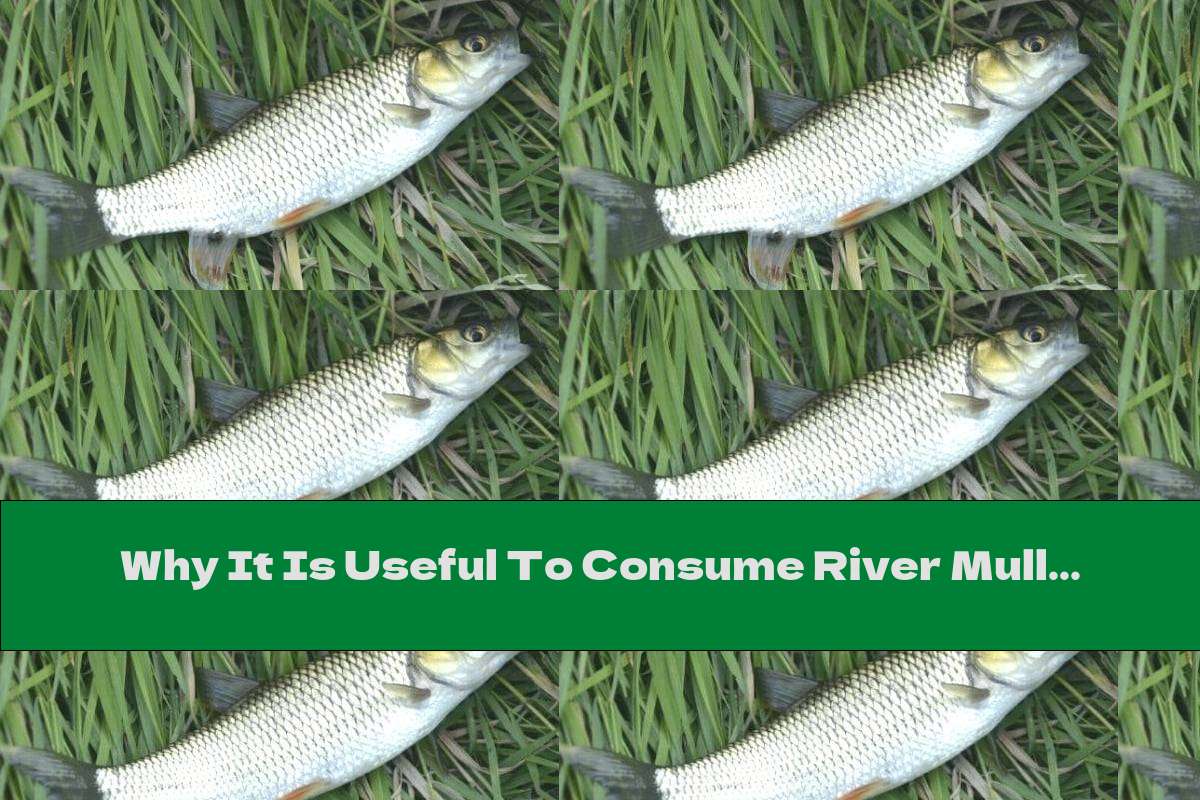
The mullet has an elongated body, an oily back and a silvery side. It usually reaches 50 centimeters, in rare cases up to 100. The maximum weight is 8 kilograms.
Composition and nutritional value
The meat of mullet, as well as that of all river fish, contains a large amount of macro- and microelements: boron, lithium, iron, copper, potassium, calcium, cobalt, magnesium, manganese, bromine, phosphorus; vitamins B and D.
The minerals and vitamins found in fish are very diverse, with the largest percentage of them in its composition having vitamin B3, which is 5.2 milligrams and represents 26% of the daily requirement for humans.
Phosphorus also has a high percentage - 22% of the daily recommended dose, which is equal to 221 milligrams contained in 100 grams of mullet.
52% of the daily requirement of selenium can provide from the same amount of mullet.
Health benefits
Mullet contains vitamin A, which promotes the regeneration of all cells in the body and a high content of polyunsaturated fatty acids, which prevent the development of cardiovascular disease.
The fat in fish is used for energy, and the fatty acids in mullet support the health of hair, skin and nails. The proteins in fish help heal wounds.
Contraindications for mullet
Mullet is contraindicated in case of individual intolerance, in addition, it should be consumed carefully by children and the elderly, due to the presence of small bones in the meat, which pose a risk of choking.
Related Articles
- Optimizing Brain Health: Foods Useful for Cerebrospinal Fluid
- The Role of E228 in Nutrition: Benefits, Regulation, and Consumer Awareness
- E464: Uses in Nutrition, Diets, and Recipes | Is it Safe to Consume?
- Nutrition for Cerebrospinal Fluid (CSF): Importance, Useful Foods, and Recipes
- Nutrition for Cerebrospinal Fluid (CSF): Useful Foods and Tips
Top Nutrition Articles Today
- . Health Benefits And Harms Of Cocoa, How To Drink, Recipes
- . Steak Label
- . Nutrition By Blood Type: Table Of Allowed And Prohibited Foo...
- . Grapefruit - For Colds And Flu
- . How To Freeze Quince
- . Myra E: Benefits for Nutrition, Diets, and Recipes
- . The Ultimate Guide to Potassium Nitrate in Nutrition
- . The Role of Sodium Malate in Nutrition: Benefits, Concerns,...
- . The Ultimate Guide to Hickory Smoked Bacon in Nutrition and...
- . The Truth About Potato Chips: Health Effects and Alternative...