Asparagus Protects Against Depression
 Author: Nia Rouseberg
Time for reading: ~1
minutes
Last Updated:
August 08, 2022
Author: Nia Rouseberg
Time for reading: ~1
minutes
Last Updated:
August 08, 2022
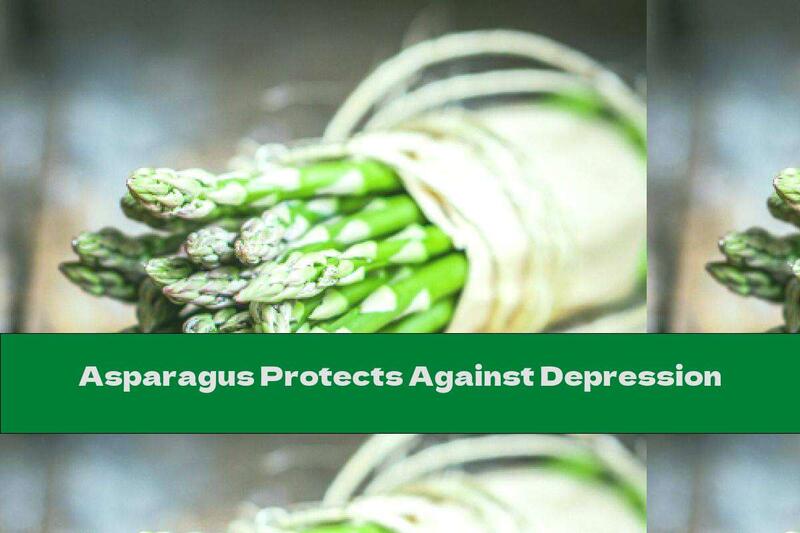
In this article, learn more about Asparagus Protects Against Depression. Asparagus is among the foods high in nutrients and low in calories..
Asparagus ranks among the first places on the list of 20 foods, highly rated for its nutritional density. This means that they are high in vitamins , minerals and phytonutrients , and at the same time calories are low.
According to the US Department of Agriculture, a cup of asparagus contains 27 calories , 0 g fat, 5 g carbohydrates, 3 g sugar, 3 g fiber and 3 g protein.
The same amount provides 70% of the daily requirement of vitamin K , 20% of the required vitamin A, 17% of folic acid, 16% of the recommended amount of iron, 13% of the required vitamin C and thiamine. It also contains small amounts of vitamin E, niacin, vitamin B6 and potassium .
Asparagus is one of the best natural sources of folic acid. Adequate intake is essential during periods of rapid growth, pregnancy , early childhood and adolescence.
Folic acid is essential to prevent miscarriage and neural tube defects in the fetus. A recent study found that the level of folic acid in a man before conception can be just as important for a successful pregnancy and the health of the unborn child as it is for a woman.
Folic acid helps with depression by preventing the excessive formation of homocysteine in the body. It can prevent blood and other nutrients from reaching the brain .
Excessive amounts of homocysteine also damage the synthesis of the hormones serotonin , dopamine and norepinephrine, which regulate not only mood but also sleep and appetite.
Excessively elevated homocysteine levels are also an indicator of coronary heart disease . People with excessively high levels of homocysteine have a 1.7-fold increased risk of developing heart disease and are 2.5 times more likely to have a stroke .
Related Articles
- Understanding Nutrition in Relation to Depression Treatment
- Peanuts For The Heart, Against Stroke And Cancer: 13 Scientifically Proven Facts About The Benefits Of Peanuts
- Social Initiatives In The Fight Against The Coronavirus
- A Popular Drink Against Cancer, Stroke, Obesity And Diabetes: 10 Useful Properties Of Green Tea
- Ayurvedic Rules Against Covid-19
Top Nutrition Articles Today
- . 7 Foods That Stimulate The Release Of Serotonin And Dopamine
- . The Ultimate Guide to Metataric Acid in Nutrition: Sources,...
- . The Truth About Potato Chips: Health Effects and Alternative...
- . Sardines - Good For Bones
- . The Ultimate Guide to Bolay Nutrition Calories: Balancing, M...
- . How To Cook Spicy Green Tea With Turmeric, Lemon Juice And G...
- . The Essential Guide to Nutrients in Nutrition: Importance an...
- . Understanding Emulsifier E471: Functions, Health Concerns, a...
- . How To Deal With Cancer Overweight
- . The Health Benefits of 100% Dark Chocolate: A Complete Guide