E338 - Phosphoric Acid
 Author: Ivan Red Jr.
Time for reading: ~1
minutes
Last Updated:
January 27, 2026
Author: Ivan Red Jr.
Time for reading: ~1
minutes
Last Updated:
January 27, 2026
CHAPTERS (Table Of Contents)
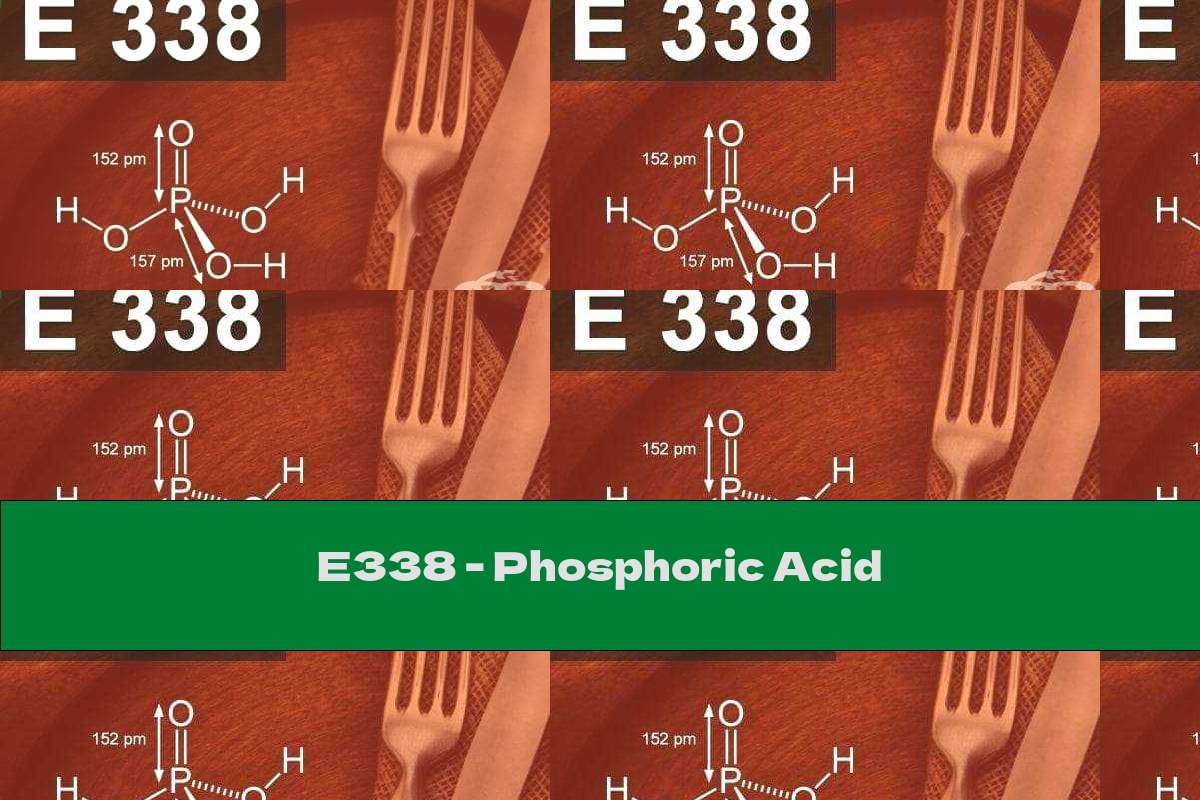
Characteristics: Phosphoric acid refers to inorganic acids, it is an antioxidant. It is hygroscopic crystals without a specific color, easily soluble in water, ethanol and many other solutions.
Characteristic
Phosphoric acid refers to inorganic acids, it is an antioxidant. It is hygroscopic crystals without a specific color, easily soluble in water, ethanol and many other solvents. When heated to 213 ° C it is converted into pyrophosphoric acid. The concentrated solution of E 338 is thick, the additive tastes sour.
Use
The food supplement E 338 is used in many areas:
- in molecular biology - used to conduct a number of studies.
- exhibits its properties in cleaning metal elements and surfaces from rust and prevents corrosion by covering them with a protective layer.
- in the food industry it is used as an acidity regulator in sweet carbonated drinks (mainly); added to sausages in the production of cheese and processed cheese; in leavening agents intended for the bakery; in refining sugar.
- in agriculture - in the production of fertilizers for soil and phosphates for animal feed.
- the additive is present in detergents, cleaners and fabric softeners.
- Phosphoric acid has been used by dentists to remove tooth enamel, but this practice has become obsolete over time.
The additive is approved for use in all countries around the world.
Impact on humans
E 338 increases the acidity of the body and thus adversely affects the acid-base balance. This is followed by forced displacement of calcium from the teeth and bones, which leads to caries and the development of early osteoporosis. In addition, the acid is contraindicated for people with naturally high levels of acidity.
The supplement is not safe for humans. Upon contact with skin or mucous membranes, the concentrated solution causes burns. When phosphoric acid vapors are inhaled, atrophic processes of the nasopharynx develop, bleeding from the nose can occur, tooth enamel and the tooth itself disintegrate, and even changes in the composition of the blood are observed.
When taken in large quantities and with regular use in food E 338 is a danger to health - disorders of the gastrointestinal tract, nausea, vomiting, diarrhea, aversion to food, weight loss. The maximum permissible daily dose in the products is not specified.
Related Articles
- The Ultimate Guide to Lactic Acid in Nutrition: Benefits, Food Sources, and Recipes
- The Role of Fatty Acids in Nutrition: Benefits, Sources, and Intake
- The Complete Guide to E952 (Cyclamic Acid) in Nutrition
- The Nutritional Benefits of Blubber: Omega-3 Fatty Acids and Vitamin D
- The Ultimate Guide to E330 (Citric Acid) in Nutrition