Foods - Pharmacologically Active
 Author: Maryam Ayres
Time for reading: ~3
minutes
Last Updated:
August 08, 2022
Author: Maryam Ayres
Time for reading: ~3
minutes
Last Updated:
August 08, 2022
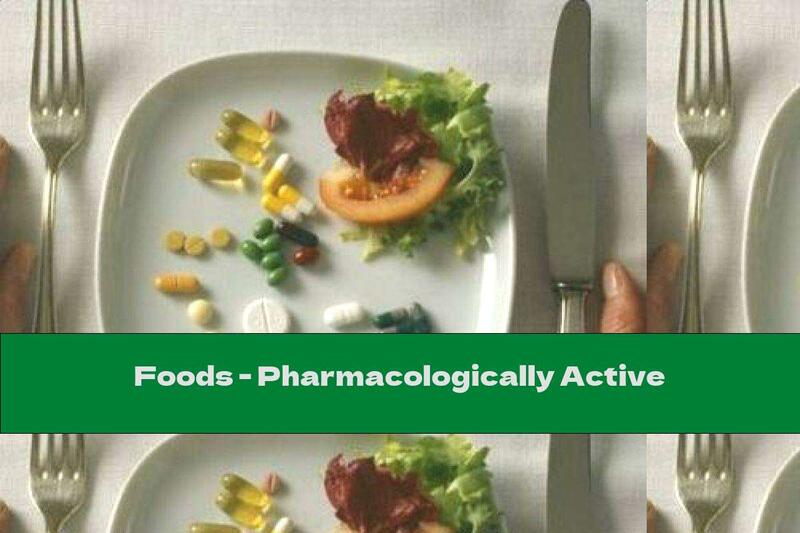
In recent years, studies have unequivocally shown that foods of plant and animal origin contain pharmacologically active substances.
In recent years, studies have unequivocally shown that foods of plant and animal origin contain pharmacologically active substances. Bananas and pineapple contain serotonin, beans - dioxyphenylalanine, oxalates are found in spinach, celery, and tyramine - in cheese and chicken liver. The study shows that in the process of technological processing of food it contains preservatives - benzoic and paraoxybenzoic acid, antioxidants - ascorbic acid, tocopherols. In addition, anticoagulants (coumarins), acidifiers, buffers, surfactants are found. Water and soft drinks can contain various metals, xanthines, histamine and others. Cabbage, for example, has been shown to increase the excretion of salicylates in the urine, while carrots increase the action of insulin.
All of these studies indicate that the pharmacokinetic characteristics of drugs can be significantly influenced by the patient's diet. Important for the action of the drug are the time of its intake in terms of nutrition (before or after meals), as well as the type and amount of food.
The type and amount of products consumed affect the kinetics of drugs. This depends on the chemical composition of the drug, the technology of its preparation, as well as the route of administration. Diet has been shown to affect the absorption, metabolism and excretion of drugs.
Some medicines taken after a meal completely lose their activity or significantly reduce it as they interact with food ingredients.
A common mistake is to dissolve medicinal powders containing an alkaloid in tea. However, few people know that tea contains many tannins that precipitate the alkaloid as an insoluble compound.
Strong tea and coffee can cause not only chemical or physico-chemical, but also pharmacological incompatibilities. As they contain the stimulating alkaloid caffeine, if sleeping pills or powders are dissolved in them, their action will weaken remarkably.
Under the influence of food, the absorption in the stomach of beta-lactam antibiotics, macrolides, tetracyclines, sulfonamides, aspirin and others is delayed.
Medicines are often taken with fruit juices or carbonated beverages to improve their taste. However, this is almost always accompanied by an increase in stomach acidity. Acid-resistant antibiotics, sulfonamides and others should not be taken with natural juices and beverages that change the alkaline-acid balance in an acidic direction, the pharmacologically active substances contained in some foods change the properties of the drugs they take.
Pharmacological incompatibilities are particularly pronounced with the concomitant use of antidepressants with foods high in tyramine and other nutrients. Such products are cheese, marinated fish, chicken liver, beans, wine, beer.
In patients with heart failure, liver cirrhosis or kidney disease requires frequent use of disitalis preparations, which increase their toxicity due to low levels of potassium in the body. Therefore, the diet of these patients should contain foods rich in potassium: bananas, prunes peaches, apricot juice and carrot potatoes and others.
It is an indisputable fact that alcoholic beverages alter the effects of drugs in the body. Alcohol potentiates the effect of histamine, barbiturates, tricyclic antidepressants, benzodiazepine derivatives, phenothiazine derivatives. Wines, in addition to alcohol, contain many other substances that also react with medication.
The amount of fluids taken with the medication is also important. Water in an amount of more than 250 ml increases the absorption of drugs by 50 to 80 percent. The effect is especially strong with sparingly soluble drugs such as aspirin.
The volume of drug distribution changes with prolonged malnutrition or starvation for 60 hours or more. It is reduced to 40%, which means that drugs under these conditions must be prescribed in a reduced dosage.
The diet also changes the excretion of drugs from the body, which are weak acids or bases, by changing the pH of the urine.
Medicines can also suppress certain substances in food to such an extent that they cause a deficiency in the body. Many medications make it difficult to absorb B and C vitamins, and most laxatives make it harder to absorb vitamins. A and E. With long-term treatment with such drugs, even vitamin deficiency may occur.
Related Articles
- Nutrition for Respiratory Health: Supporting Your Lungs with the Right Foods
- The Ultimate Guide to High Gluten Foods: Benefits, Sources, and Recipes
- The Ultimate Guide to High Gluten Foods: Effects, Benefits, and Recipes
- Nutrition and Libido: Enhance Your Sex Drive with the Right Foods
- Understanding E+631 in Nutrition: Health Implications, Common Foods, and Alternatives
Top Nutrition Articles Today
- . Dishes From Neighboring Countries That We Love: Potato Panca...
- . The Ultimate Guide to Vitamin E in Nutrition: Sources, Benef...
- . What To Cook With Sweet Potato
- . Foods High In Folate And B12
- . The Essential Role of Copper (Cu) in Nutrition: Sources, Ben...
- . Chicory: 15 Health Benefits, How To Drink, Contraindications...
- . The Role of Samarium in Nutrition: Benefits and Food Sources
- . Nutritional Benefits of Pizza: Key Nutrients, Healthier Opti...
- . The Delicious and Nutritious World of Minibrownies: A Guide...
- . Nutritional Benefits of Sheep Tallow: A Healthy Addition to...