Is The Breast Milk Sterile?
 Author: Dean Rouseberg
Time for reading: ~2
minutes
Last Updated:
August 08, 2022
Author: Dean Rouseberg
Time for reading: ~2
minutes
Last Updated:
August 08, 2022
CHAPTERS (Table Of Contents)
However, many believe that there are no bacterial colonies in the body unless an infection is currently raging. And as a product that is produced in the human body, breast milk is traditionally considered sterile.
Bacteria are found in large quantities in the human body and especially in organs with outlet channels to the external environment (intestines, lungs, skin surface).
However, many believe that there are no bacterial colonies in the body unless an infection is currently raging. And as a product that is produced in the human body, breast milk is traditionally considered sterile.
Definitely not! Several recent studies have found that breast milk contains a healthy dose of bacteria (all staphylococci, streptococci and lactic acid that are found in the baby's intestines). These are not only bacteria that have entered the body from contaminated surfaces, but also those from the mother's breast (through breast milk).
The first type of milk that a woman produces during pregnancy and in the first days after birth is called colostrum. It is easy to digest, very nutritious and the perfect first food for the newborn. Scientists have studied this type of milk and found that there are more than 700 different types of bacteria in it. Analysis of colostrum samples revealed that the most common species were Streptococcus, Lactococcus, Leuconostoc, Weissella and Staphylococcus. Samples of breast milk produced between the first and sixth month after birth were also analyzed. The most common bacteria found there are Prevotella, Leptotrichia and Veillonella.
According to another study, breast milk from overweight mothers and those with planned cesarean sections contained a lower variety of bacterial species than other breastfeeding mothers.
How do bacteria pass into breast milk?
It has been suggested that bacteria colonize the baby's mouth and pass through the milk ducts during breastfeeding, entering breast milk, changing its composition.
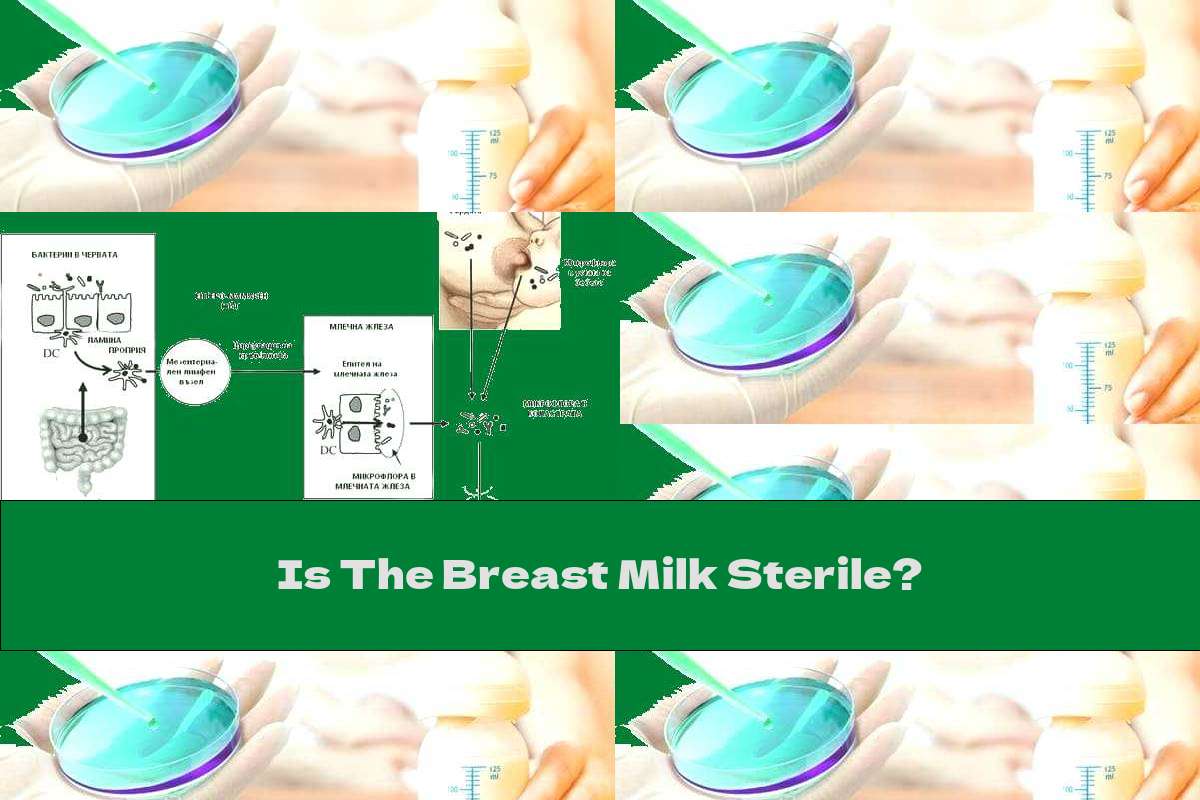
In recent years, results provided by various research groups have shown that some bacteria from the mother's gastrointestinal tract can be transported by a mechanism involving mononuclear immune cells migrating to the mammary glands via an endogenous cell pathway. These bacteria are subsequently colonized in the gastrointestinal tract of the breastfed infant.
The microbial population living in breast milk and its transport between mother and child, in the process of breastfeeding, plays a crucial role in health. This intimate moment between the mother and the baby, in addition to providing the necessary nutrients for the infant, also affects his immunological and emotional state. Although the transmission of bacteria does not sound very attractive, it is one of the most valuable gifts that a mother can give her child.
For the newborn, the first encounter with bacteria occurs in the placenta. It then receives another "starter pack" of microorganisms during natural childbirth (when passing through the birth canal). But the mother's body does not stop there - it prepares a rich and diverse microbial population to be delivered during breastfeeding.
Microorganisms play a significant role in the digestion of the newborn. Initially, they are located in the oral cavity, gradually entering the stomach and intestines, where they form a protective barrier on the intestinal mucosa. At a later stage, the loss of a variety of microorganisms in the mouth can lead to caries, and in the stomach to immunological, digestive and other diseases.
Breastfeeding and the deep emotional connection it creates seem to coincide with the transport of bacteria between mother and newborn. While mothers actually focus on protecting their children from exposure to bacteria, a new dawn of knowledge reveals that microorganisms are in our body and play a crucial role in health.
- How to feed a breastfeeding woman
- Diarrhea in breastfed babies
- How to eliminate nighttime breastfeeding
- Natural means of stopping breast milk
Related Articles
- The Power of Milk: Nutritional Benefits for Health and Wellness
- The Ultimate Guide to Milk Powder in Nutrition: Benefits, Recipes, and More
- The Ultimate Guide to Shaken Espresso Oatmilk: Benefits and Recipe
- The Importance of Breast Milk Color in Nutrition: Understanding Nutritional Insights
- Nutritional Benefits of Cow Milk: Importance of Calcium, Vitamins, and Protein