Night Vegetables - Are They Allergenic?
 Author: Leticia Celentano
Time for reading: ~2
minutes
Last Updated:
August 08, 2022
Author: Leticia Celentano
Time for reading: ~2
minutes
Last Updated:
August 08, 2022
CHAPTERS (Table Of Contents)
"Night vegetables" are among the most popular foods that are consumed frequently, some of them are highly allergenic
Nutritionists and dieticians recommend eating fresh fruits and vegetables every day. This is a step towards a healthier lifestyle, but some of them are not so useful for the body if taken in larger quantities, such as vegetables.
"Night vegetables" are among the most popular foods that are consumed frequently, but they are best known for being highly allergenic. They belong to the potato family (Solanaceae), whose most popular representatives are potatoes, eggplant, tomatoes, peppers, tobacco, tatul, petunia and others. They are rich in antioxidants, dietary fiber, vitamins, minerals, amino acids and proteins. But what unites them under the name "night vegetables" is the presence of alkaloids and calcitriol, which are toxic. It dates back to ancient times, when some of them were used for various medicinal potions and poisons.
Allergy to some vegetables
One of the main contradictions that exists for most of the plants in the Potato family is that some of them are toxic and can cause allergic reactions if taken in large quantities. They contain active ingredients such as alkaloids, lectins, saponins and calcitriol. The compounds are found mostly in the leaves and stems of vegetables. Take the example of glycoalkaloids, which are considered a natural pesticide that protects them from insects. They can cause inflammation of the stomach and other gastrointestinal problems in some people.
The results of studies on the side effects of so-called "night vegetables" are controversial. There are several cases in which they can worsen inflammation, damage the digestive system and negatively affect the immune system. For example, experts in the Autoimmune Protocol recommend avoiding tomatoes because they are on the list of so-called "inflammatory foods".
Here are some vegetables from the Potato family that are useful:
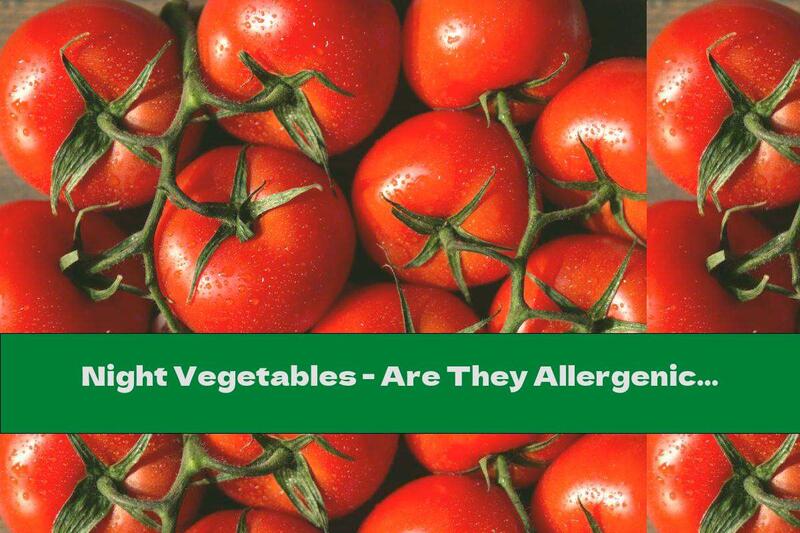
Tomatoes
They are high in vitamins A and C, as well as iron, potassium and lycopene. Tomatoes help regulate blood pressure and strengthen the immune system. In addition, they contain fiber, which improves the intestinal flora.
Eggplant
It has high levels of key minerals such as manganese, as well as good amounts of anthocyanins and other antioxidants. This vegetable is recommended for consumption in chronic diseases.
Eggplant also contains oxalates - organic acids that are present in living organisms. Therefore, they are not recommended for people with kidney problems.
Red peppers
They are extremely rich in vitamin C, which makes them an ideal supplement for the immune system, which is attacked by various flu strains in the winter.
Ordinary potatoes
They contain vitamins such as A, B, C and E, dietary fiber. They also have a high concentration of carbohydrates. These root vegetables are easy to prepare, but we should not eat them if they are green.
Related Articles
- The Nutritional Value of Potato Chips: How They Fit Into a Healthy Diet
- The Power of Allium Vegetables: Health Benefits and Recipes
- Night Nutrition: Importance, Benefits, and Best Foods to Eat
- The Nutritional Value of Potato Chips: Are They a Healthy Snack Choice?
- The Nutritional Value of Potato Chips: Are They a Healthy Snack Choice?