Volumetric Diet For Permanent Weight Loss - Volumetrics
 Author: Karen Lennox
Time for reading: ~4
minutes
Last Updated:
January 27, 2026
Author: Karen Lennox
Time for reading: ~4
minutes
Last Updated:
January 27, 2026
CHAPTERS (Table Of Contents)
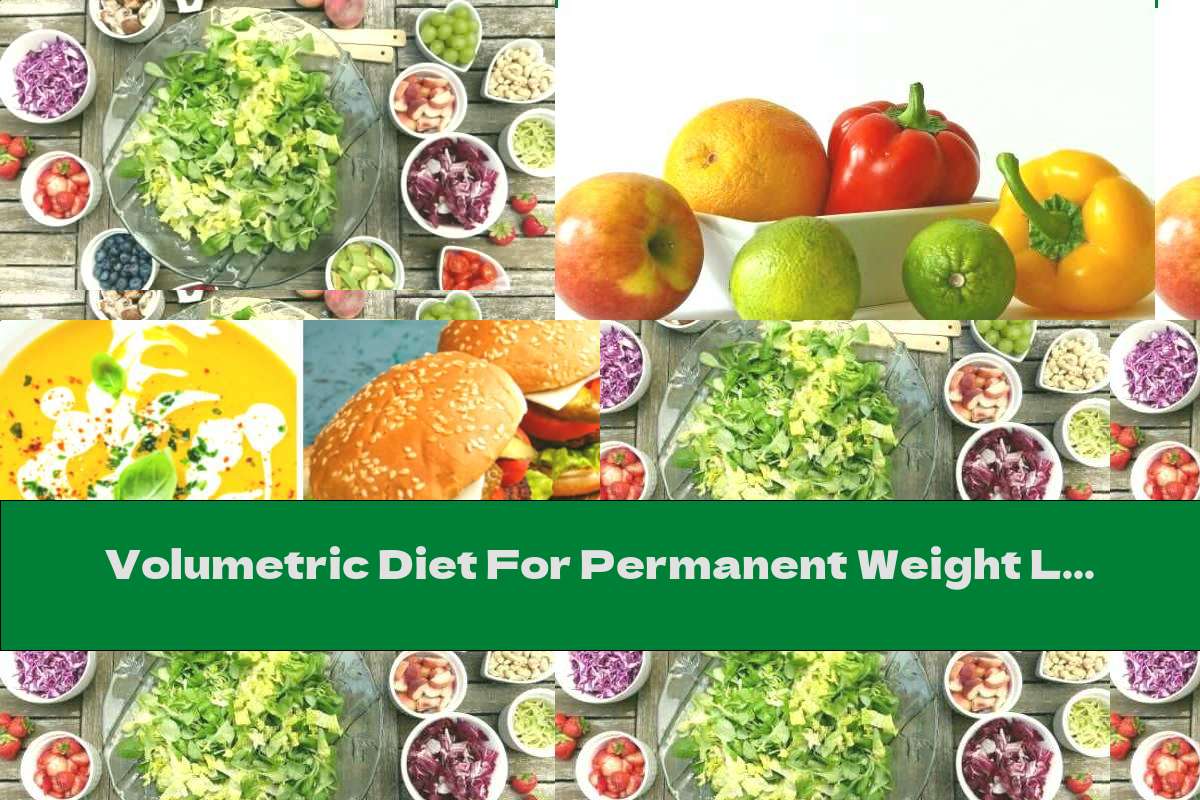
A voluminous diet emphasizes the consumption of low-energy and high-density foods such as fruits, vegetables, whole grains and low-fat dairy products. The goal is permanent weight loss.
The Volumetrics Diet was developed by Dr. Barbara Rawls, a professor of nutrition at the University of Pennsylvania, with the intention of creating a dietary approach to weight loss that focuses on healthy eating rather than a structured and restrictive diet.
The essence of the Volumetrics diet
The diet focuses on the energy and nutritional density of food. High energy density products have a higher calorie content per serving, while low energy density products have fewer calories per serving. Similarly, foods that have a high nutrient density provide large amounts of nutrients relative to the calories they contain. They often do not contain or have very small amounts of saturated fat, sodium or added sugars.
A voluminous diet emphasizes the consumption of low-energy and high-density foods such as fruits, vegetables, whole grains and low-fat dairy products. On the other hand, high energy density products, such as those high in unhealthy fats or sugar, are recommended to be limited. The idea is that by focusing on the consumption of low-calorie foods and those high in water and important nutrients such as fiber, the body is saturated. Lose weight gradually and permanently.
Which foods and beverages are included in the volumetric diet?
Instead of dividing foods or food groups to avoid, the Volumetrics diet focuses on what needs to be eaten. Foods are divided into 4 groups based on their energy density, which helps in meal planning and portion control. You can eat anything, but you need to pay attention to energy density, which is the number of calories in a certain amount of food. High-energy foods have a lot of calories in a small amount per serving, and those with a low energy density deliver fewer calories into a larger volume of food. The diet does not prohibit the consumption of certain foods, but strives not to overdo it with high-calorie.
- Group 1: Consumption without restriction of fruits and vegetables without starch (broccoli, tomatoes, mushrooms), skimmed milk and broth-based soups.
- Group 2: Eating reasonable portions of starchy fruits and vegetables, whole grains (brown rice, wholemeal pasta, etc.), cereals, lean meats, legumes and low-fat mixed meals.
- Group 3: Small portions of meat, cheese, pizza, french fries, salad dressings, bread, pasta, ice cream and cakes.
- Group 4: Very small portions of crackers, chips, chocolates, biscuits, nuts, butter and oil.
Group 1 foods have a very low energy density and can be consumed at any time. This indicator increases and is determined in group 2 - low, group 3 - medium and group 4 with very high energy density. The volumetrics diet emphasizes the foods included in groups 1 and 2, it is recommended to be careful with the portions of group 3 and to minimize the intake of foods from group 4.
Followers of this diet can keep track of what they eat and drink by recording to monitor progress. In addition to the diet, it is good to include specific plans to increase activity by at least 30 minutes a day.
The diet relies heavily on foods that contain a lot of water in their composition, like most fruits and vegetables, because they give a feeling of fullness without taking in a lot of calories. Drinking water alone is not enough, because it will satisfy thirst, but not hunger, says Dr. Rawls. Alcohol is allowed in moderation because it is high in calories and does not satisfy the need for food.
The energy density of the products of your choice should be monitored during the diet. The calories contained in a large bowl of soup are approximately 1/6 of a cheeseburger. You can add to your menu dishes containing larger amounts of water, such as soups, stews, stews and fruit desserts. Avoid the use of oil, butter, eggs and cream, they are replaced with skim milk, egg white, yogurt and apple sauce.
One of the advantages of a voluminous diet is that it does not put foods on a "don't eat that" list, giving people the freedom to choose where high-density foods and the drinks they choose fit into their diet.
Some studies suggest that the more you limit certain foods or food groups, the more you want to eat them, so eating your favorite foods on certain days offers a healthier way to create calorie distractions. It is recommended to eat smaller portions of foods that are considered healthy and energy-rich, such as ordinary cooking oils (olive and rapeseed oil, for example) and nuts (almonds, walnuts, etc.). These foods provide important fatty acids that the body uses to absorb vitamins and minerals, produce energy and maintain cell health. The diet confirms that these foods are important and should be added to the diet from time to time, not completely avoided.
Extensive diet and health
More analysis is needed on the role of energy density in weight management and obesity prevention. However, there are studies that support adherence to a diet containing low-energy foods because it improves appetite control and helps reduce weight.
Studies on the relationship between food energy density and human health show the following results: lower risk of developing type 2 diabetes, improved health of people with cardiovascular disease, reduced risk of breast cancer, effective and permanent weight loss.
For which people is a voluminous diet suitable?
The plan is flexible enough and can be implemented by vegetarians, vegans and people who need to limit salt and fat intake. Rather, it is a lifestyle change that will help make smarter food choices, leading to sustainable and long-term healthy weight maintenance. The regimen is suitable for a wide variety of health conditions, including diabetes, high blood pressure, heart disease, sleep apnea, arthritis and more. However, when starting this diet plan, be sure to consult your doctor.
- Diet with apples for 7 days
- 10-day diet with buckwheat for weight loss of 10 pounds
- Parsley juice and decoction help to lose weight
- Diet with fresh cabbage (10 kg in 10 days)
Related Articles
- The Nutritional Value of Avocado Calories: Benefits, Diet Tips, and Recipes
- The Ultimate Guide to Diet ��� 7 for Improved Nutrition
- The Nutritional Value of Potato Chips: How They Fit Into a Healthy Diet
- Nutritional Benefits of Chowmein: A Healthy Addition to Your Diet
- The Ultimate Guide to a Healthy Diet: Benefits, Components, and Tips
Top Nutrition Articles Today
- . Foods High In Folate And B12
- . Chicory: 15 Health Benefits, How To Drink, Contraindications...
- . Dishes From Neighboring Countries That We Love: Potato Panca...
- . What To Cook With Sweet Potato
- . The Ultimate Guide to Vitamin E in Nutrition: Sources, Benef...
- . The Essential Role of Copper (Cu) in Nutrition: Sources, Ben...
- . The Role of Sodium Malate in Nutrition: Benefits, Concerns,...
- . The Role of Samarium in Nutrition: Benefits and Food Sources
- . Nutritional Benefits of Pizza: Key Nutrients, Healthier Opti...
- . The Delicious and Nutritious World of Minibrownies: A Guide...