Which Foods To Eat - Alkaline Or Acidic
 Author: Mark Velov
Time for reading: ~1
minutes
Last Updated:
January 27, 2026
Author: Mark Velov
Time for reading: ~1
minutes
Last Updated:
January 27, 2026
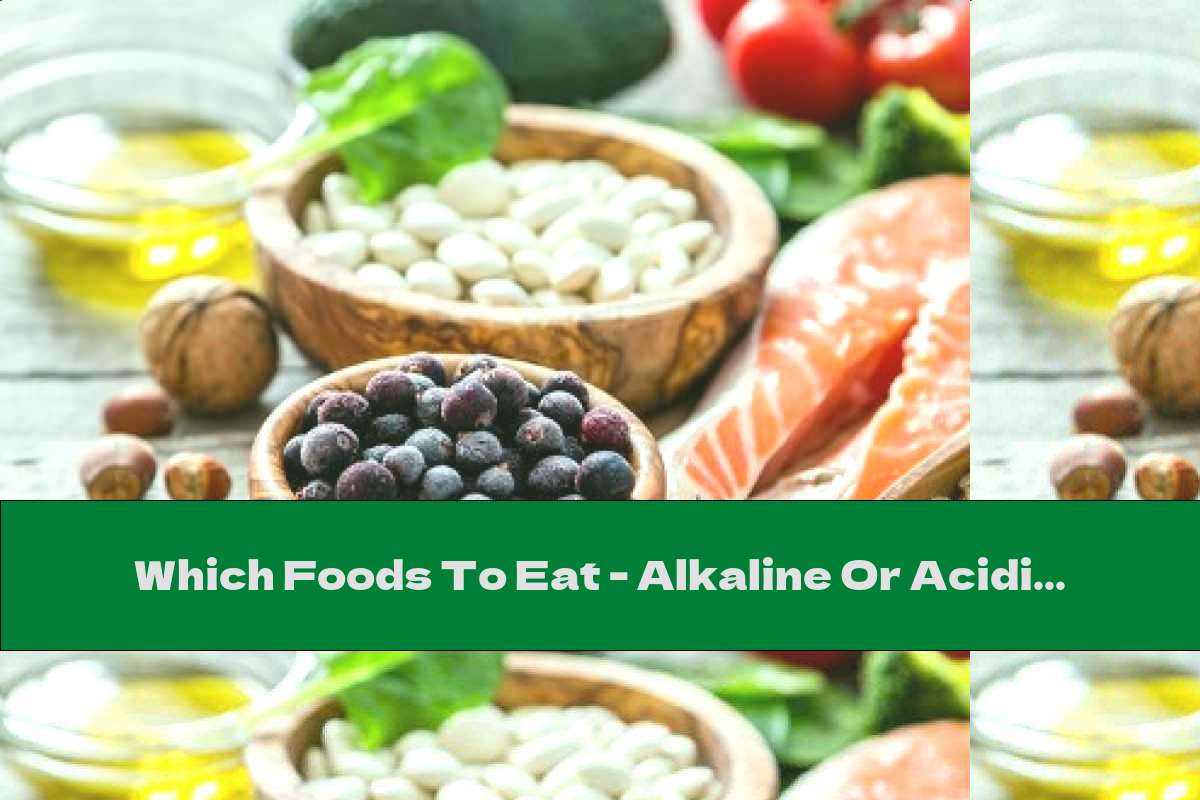
The acidity of body fluids and overall metabolism depends directly on the good balance of acid- and alkali-forming foods.
The acidity of body fluids and overall metabolism depends directly on the good balance of acid- and alkali-forming foods.
Many dietary practices advise eating or avoiding acidic and alkaline foods. What is the difference?
The values of acidity - pH, vary from 0 (maximum acidity) to 14 (maximum alkalinity or basicity). The water has a pH of 7 - neutral, neither acidic nor basic. Whether the food itself is acidic or basic does not matter for the general acidity of the body: any food consumed becomes acidic from hydrochloric acid in the stomach, and getting into the small intestine becomes quickly alkalized.
The correct terminology for food is "acid-forming" and "alkali-forming", due to the chemical structure of their nutrients.
Familiarity with these terms is especially important for healthy eating, because it maintains the acidity of blood and body fluids . They should always be slightly alkaline - with a healthy metabolism, the blood is automatically adjusted to a pH of 7.35 to 7.45. This automatic maintenance is performed mainly by the kidneys, lungs and minerals ingested with food.
If you eat too many acid-forming foods, for example, you may develop osteoporosis . In order to reduce the high acidity of body fluids, the metabolism takes away calcium from the bones - with it it forms basic, alkaline compounds to reduce the total acidity, but greatly weakens bone strength.
Acid-forming are mainly foods of animal origin, rich in protein. Large amounts of meat, fish, eggs and dairy products greatly increase the acidity of metabolism and sulfur concentration. Processed carbohydrate foods such as pasta and sugars also increase acidity. Legumes and cereals, alcohol, coffee and tea have a weaker effect.
Alkaloids are almost all plant foods. Even acidic foods such as lemons , which are metabolized, also help form alkaline compounds. Green leafy and root foods are rich in minerals such as potassium, magnesium and calcium - elements that improve the acid regulation of body fluids and neutralize excess acids.
The healthiest, with a normal metabolism, is to eat a variety of acid- and alkali-forming foods in a balanced, equal amount.
Related Articles
- Nutrition for Respiratory Health: Supporting Your Lungs with the Right Foods
- The Ultimate Guide to High Gluten Foods: Benefits, Sources, and Recipes
- The Ultimate Guide to High Gluten Foods: Effects, Benefits, and Recipes
- Nutrition and Libido: Enhance Your Sex Drive with the Right Foods
- Understanding E+631 in Nutrition: Health Implications, Common Foods, and Alternatives
Top Nutrition Articles Today
- . Nutrition In Hyperopia (farsightedness)
- . How To Cook Lunch For School: Pizza, Salad, Raw Candy, Pear,...
- . What To Cook With Sweet Potato
- . The Role of Nitrogen in Nutrition: Importance and Sources
- . 5 Recipes For Potato Casserole In The Oven
- . Understanding Cholesterol in Nutrition: Impact, Types, and R...
- . Cooking A Festive Dinner In A Slow Cooker
- . How To Fry A Potato With A Crust
- . How To Make Easy Potato Salad
- . Nutritional Benefits of Fruit Skewers in Honey Syrup: A Heal...