Crohn Pain And Ulcerative Colitis
 Author: Nia Rouseberg
Time for reading: ~2
minutes
Last Updated:
August 08, 2022
Author: Nia Rouseberg
Time for reading: ~2
minutes
Last Updated:
August 08, 2022
CHAPTERS (Table Of Contents)
Colitis is a disease that affects the lining of the gastrointestinal tract and especially the small intestine and colon. Often a diet for colitis helps to control the condition and avoid crises.
Colitis is a disease that affects the lining of the gastrointestinal tract and especially the small intestine and colon. Often a diet for colitis helps to control the condition and avoid crises. Patients usually experience severe hips, bloating, or diarrhea or constipation. Adherence to a diet relieves symptoms and significantly improves the condition.
Diet indications
In acute diseases and severe exacerbation of chronic intestinal problems with severe diarrhea.
Cooking technology
Foods should be liquid and semi-liquid, crushed, pureed, boiled in water or steamed. Moderate amounts of salt are used. It is recommended to eat 4 times a day at the same hours.
Consumption of:
- Drinks - tea without milk, cocoa, boiled in water with a little milk;
- Pasta - white wheat or freshly baked black bread;
- Appetizers - soft cheeses, homemade pate, low-fat herring;
- Milk and dairy products: low-fat freshly made cream, steamed souffle, acidophilic milk, small amounts of cream (as a spice);
- Fats - fresh butter 5 grams in the dishes, olive oil, melted butter;
- Eggs and egg products: up to 1 soft-boiled egg per day, omelet and as an ingredient in food;
- Soups - based on lean and weak meat and fish broths with the addition of slimy decoctions of cereals (semolina, rice), boiled or minced meat, steamed meatballs, homemade noodles, noodles;
- Meat and fish dishes - various dishes of lean beef, beef, lean fish, minced meat; it is best to steam them if they are fried, not to roll them in breadcrumbs, boiled meat souffle, minced meat;
- Cereals and pasta - pureed porridges cooked in water or in low-fat broth (rice, oats, buckwheat, flour from various cereals), in the form of baked pudding, meatballs from cereals without a hard crust, cooked pasta and noodles ;
- Vegetables (including green leaves) - puree of various vegetables, puddings, vegetable meatballs (roasted or fried, but without a hard crust), boiled cauliflower with butter, zucchini, stewed pumpkin; also early green leafy vegetables (raw), parsley and dill (finely chopped and added to dishes);
- Fruits - purees of fresh or dried fruits (including berries), sour, jellies, mousses, jam; sugar, candy;
- Juices - fruit and raw vegetables (warm and diluted in half with water or tea) in limited quantities. Decoction of rose hips and wheat bran;
Unsuitable foods:
- Butter and hot dough products;
- Fatty meats and fish;
- Salted and smoked foods;
- Marinades;
- Meat, fish and other canned food;
- Sausages;
- Cold drinks;
- Ice cream;
- Raw fruits and vegetables;
- Millet, barley;
- Coffee with milk;
- Carbonated drinks;
- Mustard horseradish, peppers;
- Mushrooms;
- Chocolate;
- Cream products;
- Bean cultures;
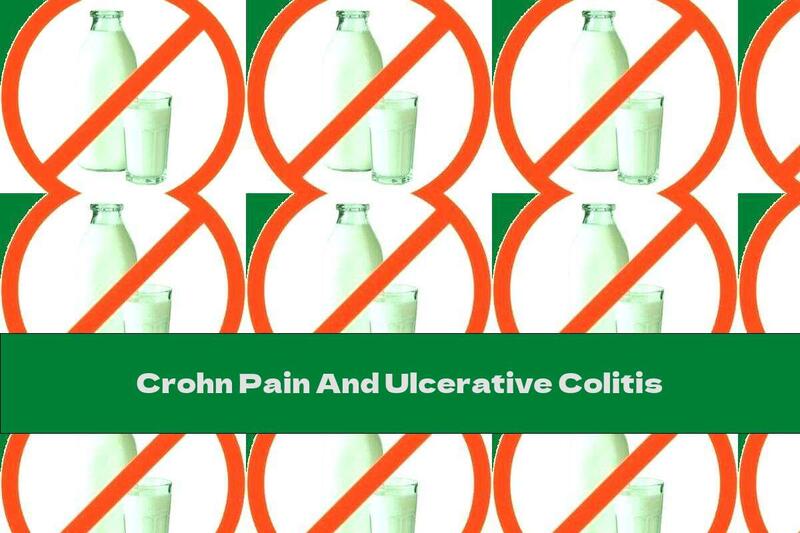
- Dairy products - care should be taken with their consumption due to possible lactose intolerance.
The list that is presented is summary and does not apply to absolutely all people with the disease. Every body tolerates food differently, so if you feel good after eating a certain dish or product, even if they are among the forbidden and inappropriate, just eat them carefully and a little and vice versa. Remember that consultation with a specialist in the field is necessary in order to prepare the most appropriate individual diet, tailored to the needs and preferences of the individual.
Top Nutrition Articles Today
- . Diet After Surgery Of The Small And Large Intestine
- . High Flavonoid Cocoa Powder
- . The Role of Acidity in Nutrition: Understanding pH Levels an...
- . The Power of Bella: Health Benefits, Recipes, and More
- . The Importance of Food Labels in Nutrition: A Comprehensive...
- . Jam For Breakfast To Lose Weight? Why Not?
- . Lentils - Saturate And Provide Folic Acid
- . Nutrition in 2025: Trends, Technologies, and Future Outlook
- . The Truth About Potato Chips: Health Effects and Alternative...
- . How To Reduce Appetite