Foods To Get Vitamin B12
 Author: Marko Balašević
Time for reading: ~2
minutes
Last Updated:
August 08, 2022
Author: Marko Balašević
Time for reading: ~2
minutes
Last Updated:
August 08, 2022
CHAPTERS (Table Of Contents)
In this article, learn more about Foods To Get Vitamin B12. Fish and seafood, liver, eggs, are part of foods rich in vitamin B12.
Nearly 15% of the adult population suffers from vitamin B12 deficiency. Our body needs 2.4 mcg per day to meet its needs. Sometimes the substance cannot be well absorbed and we need to take various foods and supplements to get it.
Most foods that contain B12 are of animal origin, which restricts many vegetarians and vegans.
What are the symptoms of a vitamin deficiency?
B12 is especially important for mental and physical health. It enhances the synthesis of DNA and red blood cells strengthen the immune system and stimulate nerve function. Vitamin deficiency causes anemia, fatigue, depression, and in some more serious cases, damage to the brain and central nervous system. The main symptoms are dizziness, forgetfulness, slowness of thought, weak muscles, blurred vision. Sometimes the first signs of anemia, for example, appear 3 to 5 years after the onset of the deficiency.
In order for the vitamin to be absorbed by the body, our stomach must produce a protein called gastric intrinsic factor. When its amount is not enough, the absorption decreases. That is why it is important to balance the amount of B12 and protein through meals during the day. Here is what we recommend to consume:
Mussels, crustaceans
Each 75 grams of mussels contains 74.2 mcg of B12. In addition, oysters (26 mcg) are a great source of the vitamin. 75 grams of crabs contain almost 8.6 mcg, and shrimp - 1.1 mcg of the vitamin.
Liver
Each 75 grams of cooked beef liver contains 52.9 mcg of B12. One serving of pork liver contains about 15.9 mcg of B12, while the same amount of chicken liver contains 12.6 mcg. Goose liver is also useful.
Fish
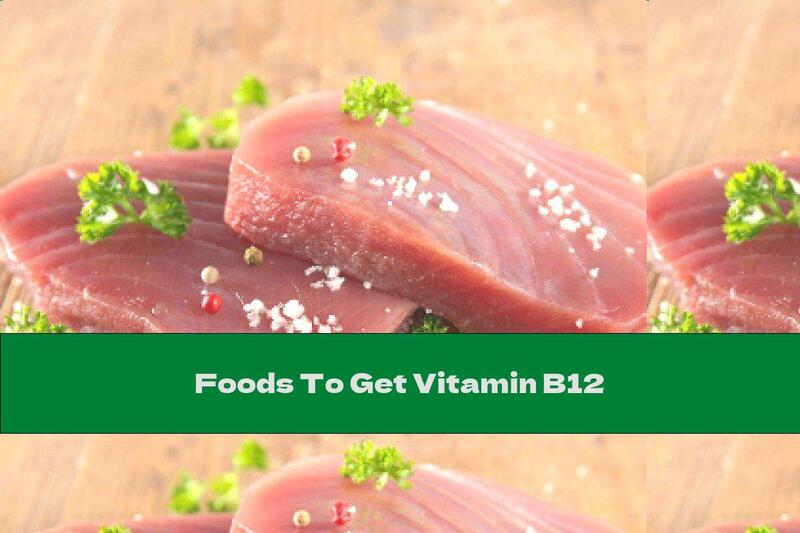
Mackerel, herring, tuna, sardines, trout and salmon offer large amounts of vitamin B12. Atlantic mackerel contains 14.3 mcg of the substance, while common mackerel contains. Other fish rich in vitamin B12 are Atlantic herring (9.8 mcg), tuna (8.2 mcg), cooked trout (5.6 mcg), and salmon. They are also rich in omega-3 fatty acids, which are important for many processes in the body.
Red meat
In 75 grams of minced meat, there are between 2.4-2.7 mcg. In addition to beef, lamb is recommended for consumption, which is also a great source of B12.
Eggs
Goose eggs are most useful in B12 deficiency. They contain 7.3 mcg of the vitamin. Followed by duck eggs - 3.8 mcg, hens - nearly 0.45. There is the smallest amount in the parachutes - 0.1 mcg. Basically, vitamins are mostly found in the yolk, so we should take at least one a day.
Related Articles
- Nutrition for Respiratory Health: Supporting Your Lungs with the Right Foods
- The Ultimate Guide to Vitamin E: Benefits, Sources, and Recipes
- The Ultimate Guide to Vitamin E in Nutrition: Benefits, Sources, and More
- The Ultimate Guide to High Gluten Foods: Benefits, Sources, and Recipes
- The Ultimate Guide to High Gluten Foods: Effects, Benefits, and Recipes
Top Nutrition Articles Today
- . Calcium In Lentils
- . How To Cook Puff Pastry Hot Dog Pie - Recipe
- . The Nutritional Benefits of Scotch: Improving Cardiovascular...
- . The Power of Red Foods: Health Benefits and Nutrition Guide
- . How To Cook Risotto With Tomatoes, Parmesan And Basil - Reci...
- . Nutrition Boost: Functional Properties in Muffins for Health...
- . The Ultimate Guide to Creating a Well-Structured Diet Plan f...
- . Diet After Surgery Of The Small And Large Intestine
- . The Ultimate Guide to Using Ammonium Carbonate in Baking
- . List of Foods that Contain Carrageenan: A Guide to Avoiding...