Jerusalem Artichoke (earth Pear)
 Author: Mark Velov
Time for reading: ~4
minutes
Last Updated:
August 08, 2022
Author: Mark Velov
Time for reading: ~4
minutes
Last Updated:
August 08, 2022
CHAPTERS (Table Of Contents)
Jerusalem artichoke is an uneven, fleshy root vegetable of the sunflower family. It has a starch-rich walnut-flavored root. Rich source of fiber, vitamins and minerals.
Jerusalem artichoke is an uneven, fleshy root vegetable of the sunflower family. Its underground walnut, fragrant and starch-rich root is eaten in much the same way as potatoes in many parts of Western Europe and the Mediterranean.
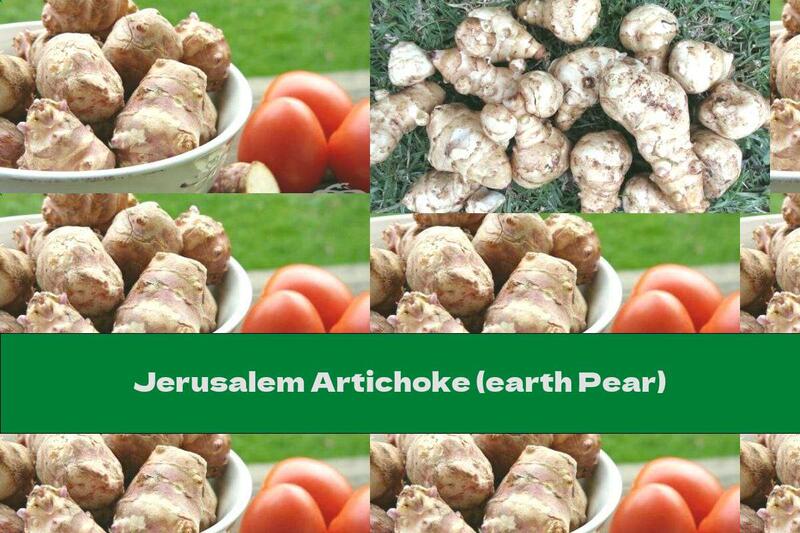
Other names for vegetables are earth apple, goulash, Jerusalem artichoke or earth pear. It has a gray, purple or pink peel on the outside and a sweet and delicate texture with a bright white inside. Some roots have a very uneven and extremely spherical outer surface, which makes cleaning vegetables difficult. Each tuber weighs about 75 to 200 grams.
Jerusalem artichoke (pear) is a root that is more useful than potatoes and twice as nutritious as fodder beet. Today it is gaining more and more popularity due to its useful properties, which we should get acquainted with.
Nutritional composition of Jerusalem artichoke
- The root has a moderate calorie content. Provides about 65 calories per 100 grams, approximately as much as potatoes. It also has small amounts of fat and does not contain cholesterol. Its high-quality phytochemical profile consists of dietary fiber (carbohydrates without starch) and antioxidants, in addition to small portions of minerals and vitamins.
- Gulia is one of the best sources of dietary fiber, especially with a high content of oligofructose inulin, which is a soluble polysaccharide without starch. Inulin should not be confused with insulin , which is a hormone. The root provides 1.6 milligrams or 4% fiber. Inulin is a zero calorie saccharin and an inert carbohydrate that is not metabolized in the human body. This makes Jerusalem artichoke an ideal sweetener for diabetics and people on a diet. The soluble as well as the insoluble fiber in Jerusalem artichoke adds volume to the food while maintaining moisture in the gut. Studies show that adequate intake of high-fiber foods in the diet helps reduce constipation problems. Dietary fiber also protects against colon cancer by eliminating toxic compounds from the gut.
- Pear also contains small amounts of antioxidant vitamins such as vitamin C, A, E. They, along with flavonoid compounds such as carotene, help eliminate harmful free radicals and thus protect the body from cancer, inflammation and viral cough and colds.
- Jerusalem artichoke is an excellent source of minerals and electrolytes, especially potassium, iron and copper. In 100 grams of fresh root there are 429 milligrams or 9% of the potassium needed for the day. This mineral is a heart-friendly electrolyte that helps lower blood pressure and heart rate by counteracting the effects of sodium.
- 100 grams of fresh Jerusalem artichokes contain 3.4 milligrams or 42.5% iron, probably the highest amount of this trace element among ordinary edible roots and tubers.
- Jerusalem artichoke also contains small amounts of valuable B vitamins, such as folate, pyridoxine, pantothenic acid, riboflavin and thiamine.
Health benefits of Jerusalem artichoke consumption
The benefits of the root for the human body are expressed in a variety of nutrients. For example, in terms of iron content, it is superior to vegetables such as carrots, potatoes, beets and turnips. It should be noted that the organic substance inulin in the pear is also more than in vegetables.
1. It has a beneficial effect on the gastrointestinal tractJerusalem artichoke is good for the digestive system, as the inulin we mentioned above has a purifying effect. By eating, we absorb various bacteria, and the substance binds and eliminates them.
The root is used in the treatment of stomach problems, colitis, gastritis, pancreatitis, diseases of the duodenum, as well as constipation and diarrhea.
The use of Jerusalem artichoke normalizes the gastrointestinal tract, there is a choleretic effect, has a beneficial effect on the gastric mucosa.
The plant is also useful in dysbacteriosis. Regular consumption contributes to the development of normal intestinal microflora, creating all the necessary conditions.
Helps absorb selenium , fights vomiting and nausea, as well as the bitter taste in the mouth.
2. Suitable for diabeticsPeople with diabetes can also benefit from the root because it is extremely suitable for them. It contains a record amount of inulin. Due to this, it effectively lowers blood sugar levels and well regulates the activity of the pancreas.
3. Has a purifying effectThe purifying effect of Jerusalem artichoke is useful for people who live in big cities in poor environmental conditions. The root removes salts of heavy metals, toxins and radionuclides from the body. Successfully copes with cholesterol and prevents its occurrence, cleanses the intestines of toxins. All this can be summed up by the definition of an excellent antioxidant.
4. It has diuretic propertiesThe diuretic properties of the root are useful in edema of renal or cardiac nature, in kidney stones.
5. It has a beneficial effect on the cardiovascular systemThe tuber is also recommended for consumption in hypertension - it works well on the entire cardiovascular system. To be taken also in case of tachycardia, ischemic heart disease, atherosclerosis. Lowers blood pressure.
The large amounts of potassium in the plant protect and strengthen the heart.
6. Improves the health of hair, nails and bodyThanks to the silicon in Jerusalem artichoke, calcium is well absorbed, which keeps our nails, hair and body healthy.
7. Fights nauseaHelps absorb selenium, fights vomiting and nausea, as well as the bitter taste in the mouth.
Harm and contraindications
The root can be damaged by individual intolerance to it, which does not happen often.
At high doses it is possible to cause some intestinal discomfort, increased gas, so those suffering from flatulence should keep this in mind.
Top Nutrition Articles Today
- . One Meal a Day Menu: Benefits, Meal Planning, and Sample Men...
- . The Role of Silica in Vitamins: Benefits, Sources, and Recom...
- . Fructose In Strawberries
- . Nutrition In Hyperopia (farsightedness)
- . Sea Buckthorn: Health Benefits And Harms
- . The Nutritional Benefits of Eggs: A Complete Guide
- . List of Foods that Contain Carrageenan: A Guide to Avoiding...
- . Nutrition Guide for Thyroidectomy Patients: Tips for a Healt...
- . How To Cook Lunch For School: Pizza, Salad, Raw Candy, Pear,...
- . The Ultimate Guide to Chicken Nutrition: Importance, Benefit...