Olive Oil
 Author: Ivan Red Jr.
Time for reading: ~2
minutes
Last Updated:
August 08, 2022
Author: Ivan Red Jr.
Time for reading: ~2
minutes
Last Updated:
August 08, 2022
CHAPTERS (Table Of Contents)
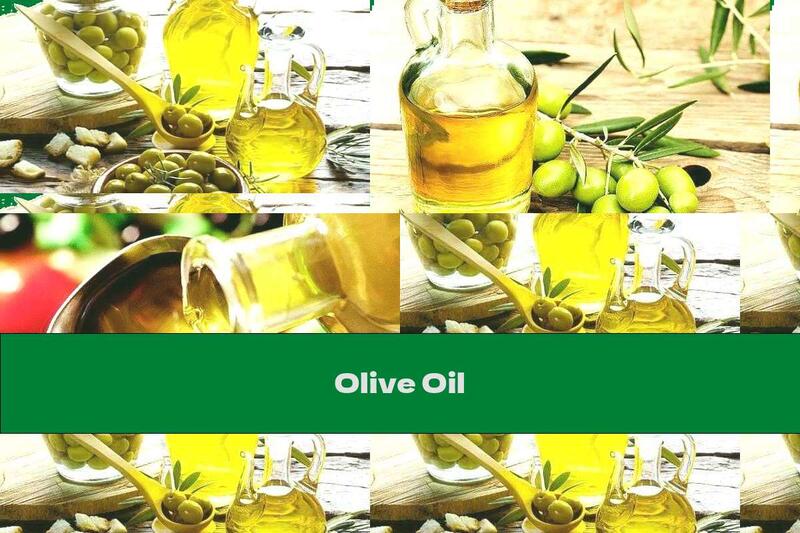
In this article, learn more about Olive Oil. Olive oil - composition, useful properties and contraindications.
Olive oil is a plant product which, in its fatty acid composition, is a mixture of triglycerides of fatty acids with the highest content of oleic acid esters in them.
The healing properties of olive oil have been recognized since Hippocrates, so we will dedicate the following lines to them.
Composition of olive oil
Olive oil consists of unsaturated fats that are able to break down animal fats. It strengthens the body because it lowers the level of bad cholesterol, prevention against diabetes, obesity and cardiovascular disease.
Olive oil contains vitamins A, D, E and K, which strengthen bones, muscles and the immune system.
It is scientifically proven that the fatty acids in this oil dull the feeling of hunger and this makes the product suitable for people who want to lose weight.
Olive oil is used in dermatology because it helps in wound healing. Its regenerating properties are explained by the presence of the natural substance oleocanthal, which has both analgesic and anti-inflammatory effects.
In the composition of the fat obtained from olives, there are primarily phosphorus-containing compounds - phosphatides and phospholipids. The former contain many sugars that help retain water in the oil, and the latter are needed for the construction of cell membranes and metabolic processes.
The presence of fatty acids in the oil is varied and rich: up to 80% oleic acid, also linoleic, stearic and palmitic acids - 3-15%. This composition can vary considerably, depending on the climate in which the olive trees grow.
Useful properties of olive oil
The components that are rich in olive oil have a beneficial effect on the human body. Antioxidant abilities are beneficial in cancer, reducing the risk of their development to a significant extent.
Olive oil helps with diseases of the blood vessels and heart. The use of the product is able to prevent the occurrence of atherosclerosis.
Olive oil helps to restore the acidity in the stomach and to prevent ulcers, gastritis, also improves the functioning of the gastrointestinal tract.
The product helps the kidneys as well as the musculoskeletal system. It helps to restore cartilage and perfectly maintains muscle tone.
Olive oil is useful to include in the diet of diabetics, as it increases insulin sensitivity.
It is also used for constipation, as a natural laxative.
Use of olive oil for cooking
Olive oil is used to flavor salads just before eating, also for frying and stewing vegetables. It is also used to make light sauces with lemon, red wine or balsamic vinegar, oregano. Used for baking potatoes, vegetables, meat, poultry, fish. Also for cooking rice as a spice for various dishes, including lentils, beans, spinach, soups and more. It is also used in marinades for canning.
See also: A few tips when choosing olive oil
Contraindications to olive oil
Olive oil should be used with caution by people with cholecystitis, as it has a choleretic effect.
Taking more than 1 tablespoon daily is not recommended for those who have weight problems. This is due to the high caloric content of olive oil.
Related Articles
Top Nutrition Articles Today
- . Foods High In Folate And B12
- . Chicory: 15 Health Benefits, How To Drink, Contraindications...
- . The Role of Samarium in Nutrition: Benefits and Food Sources
- . Dishes From Neighboring Countries That We Love: Potato Panca...
- . What To Cook With Sweet Potato
- . The Ultimate Guide to Vitamin E in Nutrition: Sources, Benef...
- . The Essential Role of Copper (Cu) in Nutrition: Sources, Ben...
- . The Role of Sodium Malate in Nutrition: Benefits, Concerns,...
- . Nutritional Benefits of Pizza: Key Nutrients, Healthier Opti...
- . Nutrition By Blood Type: Table Of Allowed And Prohibited Foo...