Stored For Vitiligo
 Author: Leticia Celentano
Time for reading: ~1
minutes
Last Updated:
August 08, 2022
Author: Leticia Celentano
Time for reading: ~1
minutes
Last Updated:
August 08, 2022
CHAPTERS (Table Of Contents)
Nutrition in vitiligo - useful and harmful products for consumption in the presence of the problem.
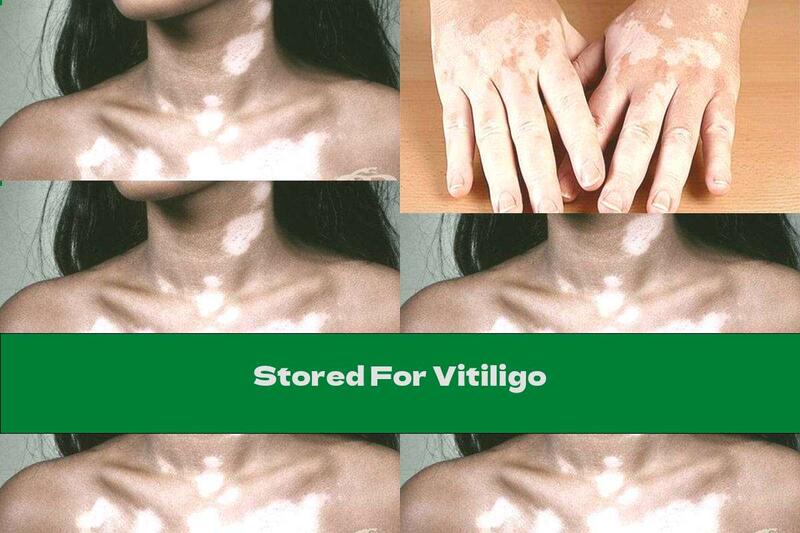
Vitiligo is a skin disease in which the pigment melanin disappears in some places. The problem can develop at any age. It is not contagious, it causes great discomfort of a psychological nature due to the cosmetic defect in which it is expressed.
Useful foods for vitiligo
Nutrition is an integral part of the treatment of the disease. The menu should be aimed at normalizing metabolism, strengthening with vitamins and restoring mental balance. The reason for the development of the problem can be nervous disorders, and vice versa - vitiligo can be a prerequisite for impaired functioning of the nervous system, as the disease reduces self-esteem (especially in women).
In addition, the body must be saturated with tyrosine, the activation of which requires copper salts. These substances are needed for the formation of the pigment melanin.
To obtain tyrosine to consume pumpkin seeds and beans. Copper salts are found in cod liver, beef liver, seafood, fish, mushrooms, bananas, cherries, pineapples, raspberries, as well as in all legumes and green leafy vegetables.
The patient should take vitamins E, B, C, nicotinic and folic acids, iodine, zinc, iron, manganese. For this purpose to consume: buckwheat porridge, figs , melons, pears, apricots, blackberries, walnuts, celery roots and parsley.
Recommendations regarding food intake during the treatment of vitiligo
- Drink a glass of clean water before each meal and switch to eating 20 minutes later. First, eat vegetable salads, seasoned with vegetable oil (sunflower, flaxseed, pumpkin, soy, sesame, olive oil). Then it's time for cooked porridge.
- Breakfast can start with fresh fruit and berries (200 grams on an empty stomach), and half an hour later - low-calorie cottage cheese or porridge.
- Food should be taken in small portions (not less than 6 times a day).
- Replace sugar with dried fruits, coffee - with green tea and fresh fruit.
- Add ginger to all dishes.
- Meat and fish should not be greasy and should be steamed or boiled.
- Overeating is strictly forbidden.
Dangerous and harmful foods in vitiligo:
- all kinds of fatty, salty and sour products (citrus, quinces), also spicy (mustard, horseradish, pepper);
- fried and smoked dishes;
- beef;
- margarines, butter, confectionery creams;
- mayonnaise, various sauces and dressings;
- canned food;
- starch, semolina, all kinds of pasta and pastries;
- chocolate, sugar, marmalade;
- alcoholic beverages, cocoa, strong tea, coffee.
Top Nutrition Articles Today
- . Breakfast Pizza
- . The Ultimate Guide to Metataric Acid in Nutrition: Sources,...
- . Calories In A Piece Of Bread
- . Health Benefits Of Vitamin C
- . The Truth About Potato Chips: Health Effects and Alternative...
- . Night Nutrition: Importance, Benefits, and Best Foods to Eat
- . 7 Foods That Stimulate The Release Of Serotonin And Dopamine
- . Sardines - Good For Bones
- . Sushi For Beginners. How Easy It Is To Spin Sushi Rolls
- . When Is It Better To Eat Fruit?