E231 - Orthophenyl Phenol
 Author: Alexander Bruni
Time for reading: ~1
minutes
Last Updated:
January 27, 2026
Author: Alexander Bruni
Time for reading: ~1
minutes
Last Updated:
January 27, 2026
CHAPTERS (Table Of Contents)
Characteristic: Food additive E 231 is an organic compound consisting of phenolic hydroxide groups and two benzene rings. In appearance it is a white crystalline substance, tempera
Characteristic
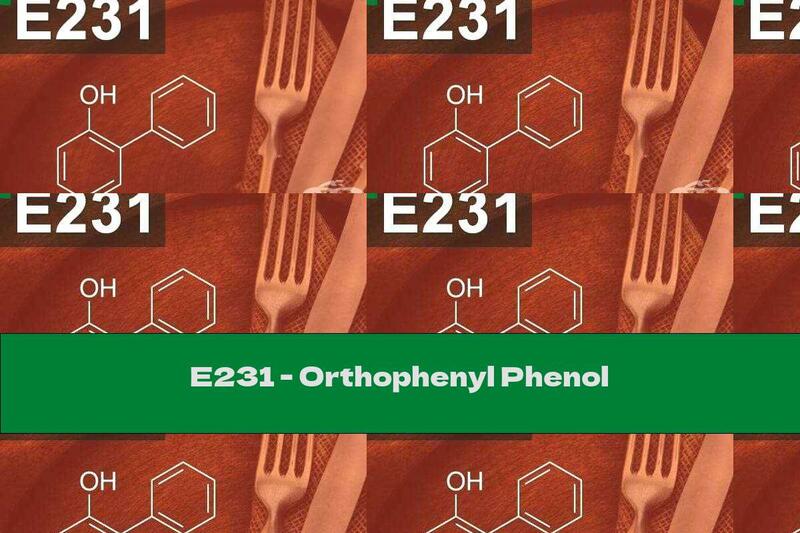
Food additive E 231 is an organic compound consisting of phenolic hydroxide groups and two benzene rings. In appearance it is a white crystalline substance, its melting point is about 57 ° C. E 231 is obtained synthetically by heating cyclohexanone to 120 ° C together with acid catalysts, and then, the cyclohexenyl cyclohexanone formed must be subjected to catalytic isomerization of diphenyl ether and catalytic dehydrogenation. The orthophenyl phenol E231 resulting from this long process sometimes contains various impurities of biphenyl or biphenyl oxide, or of phenol. It belongs to the group of fingocides (substances that fight fungi and their spores) and is a moderately dangerous substance.
Use
The additive E 231 is used in the food industry for processing the outer part of fruits and vegetables, extending their shelf life, protecting them from the harmful effects of fungi and bacteria. The additive processes not only fruits (most often citrus), but also the containers in which they are transported over long distances. This substance is also used in cosmetics (sprays, deodorants), as a disinfectant in public places and institutions, for seed treatment in agriculture, as a reagent in the chemical industry.
Impact on humans
If you take an extremely large amount of orthophenyl phenol or if the technology is violated, severe convulsions, skin irritations, vomiting may be observed. Very much affects the mucous membranes, causes chemical burns of the respiratory tract, nose, eyes. In order for a smaller amount of E 231 to enter the body, we must wash fruits and vegetables, especially those that are imported from afar. As the supplement has not been studied enough, suspicious fruits and vegetables should not be included in the children's menu to avoid the preservative entering their body. Adults should limit the intake of such products as much as possible. The permissible daily amount per kilogram of body weight is 0.2 mg.
- E232 Sodium orthophenyl phenol
Top Nutrition Articles Today
- . Foods High In Folate And B12
- . Chicory: 15 Health Benefits, How To Drink, Contraindications...
- . Dishes From Neighboring Countries That We Love: Potato Panca...
- . What To Cook With Sweet Potato
- . The Ultimate Guide to Vitamin E in Nutrition: Sources, Benef...
- . The Essential Role of Copper (Cu) in Nutrition: Sources, Ben...
- . The Role of Sodium Malate in Nutrition: Benefits, Concerns,...
- . The Role of Samarium in Nutrition: Benefits and Food Sources
- . Nutritional Benefits of Pizza: Key Nutrients, Healthier Opti...
- . The Delicious and Nutritious World of Minibrownies: A Guide...